1. Kupu Whakataki
This manual provides essential instructions for the safe and effective use of your Rinnai Rice Cooker Dedicated Pot, Model RTR-300D1. Please read this manual thoroughly before first use and retain it for future reference.
This pot is designed for use with gas stoves equipped with a rice cooking function. It is not intended for use in ovens or on induction cooktops unless specifically stated by Rinnai.
2. Whakatupato Haumaru
- Always ensure the pot is stable on the stovetop burner before heating.
- Do not touch hot surfaces. Use oven mitts or pot holders when handling the pot during or after cooking.
- Kaua e taea e nga tamariki.
- Kaua e whakamahi i nga kaihoroi awhiowhio, i nga papa horoi whakarewa ranei, na te mea ka pakaru te paninga kore-rakau.
- Ensure the lid is properly seated during cooking to prevent steam burns.
- This pot is designed for cooking rice. Do not use it for deep frying or other cooking methods that may exceed its design limitations.
3. Tatūnga
3.1 Te Wetewete
Carefully remove the rice cooking pot and its lid from the packaging. Inspect all components for any signs of damage. If any damage is found, do not use the product and contact Rinnai customer support.
3.2 Te horoi tuatahi
Before first use, wash the pot and lid thoroughly with warm soapy water. Rinse completely and dry with a soft cloth. This removes any manufacturing residues.
3.3 Placement on Stovetop
Place the pot centrally on a gas stovetop burner. Ensure the stovetop has a dedicated rice cooking function for optimal results. The pot's handles are designed to stay cool and not interfere with direct flame when properly positioned.

Image: The Rinnai rice cooking pot positioned correctly on a gas stovetop burner, ready for cooking. Steam is visible, indicating active cooking.
4. Nga Tohutohu Whakahaere
4.1 Measuring Rice and Water
The pot features internal markings for precise rice and water measurements. These markings are typically for 1, 2, and 3 cups of rice. For best results, use the provided measuring cup (if included) or a standard rice measuring cup.
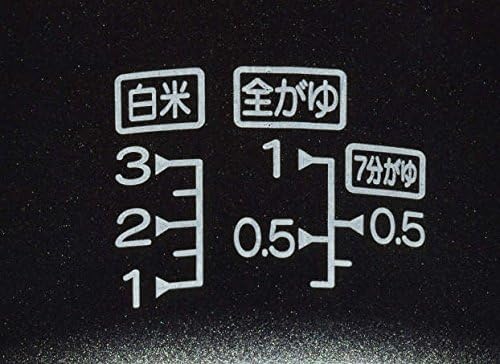
Image: Close-up of the interior of the Rinnai rice pot showing clear markings for different rice and water levels, including "white rice" and "porridge" settings.
- Inehia te rahi o te raihi e hiahiatia ana.
- Horoihia te raihi kia tino marama te wai.
- Place the rinsed rice into the pot.
- Add water up to the corresponding line for the amount of rice used. For example, if cooking 2 cups of rice, fill water to the '2' line.
- Allow the rice to soak for at least 30 minutes before cooking for optimal texture.
4.2 Tukanga tunu kai
- Place the pot with rice and water on the gas stovetop burner.
- Kapihia te kohua ki te taupoki karaihe.
- Activate the "rice cooking" function on your gas stove. The stove will automatically adjust the heat and turn off when cooking is complete.
- Once the stove turns off, let the rice steam for an additional 10-15 minutes with the lid on. This allows the rice to fully absorb moisture and become fluffy.
- Carefully remove the lid, fluff the rice with a paddle, and serve.
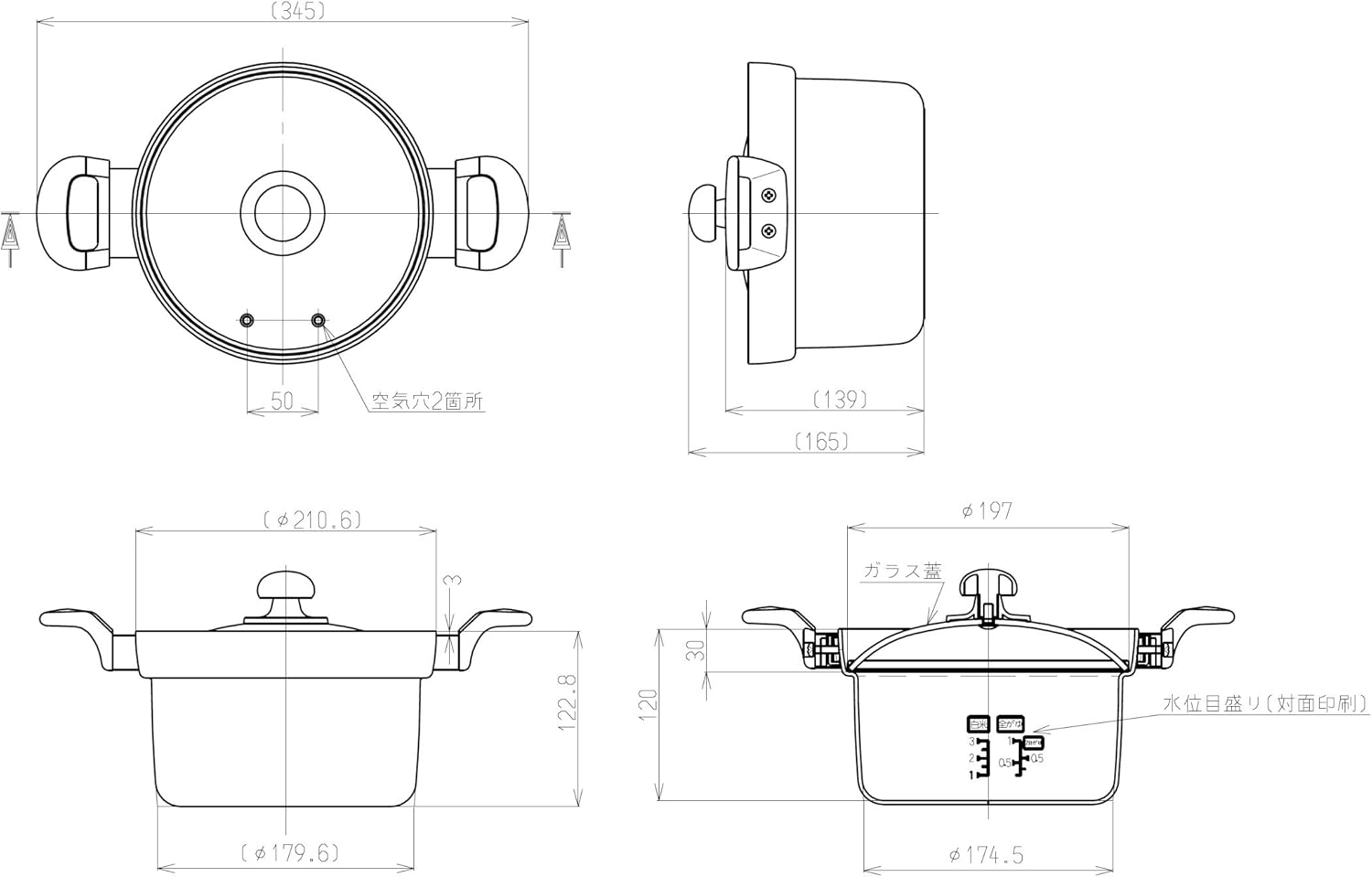
Image: A hand carefully lifts the glass lid from the Rinnai rice pot, showing freshly cooked, steaming white rice inside.
5. Tiaki me te Whakapai
5.1 Whakapai ia ra
After each use, allow the pot to cool completely. Wash the pot and lid with warm water and a mild dish soap using a soft sponge or cloth. The non-stick coating makes cleaning easy.
5.2 Stubborn Stains
For any stubborn food residues, soak the pot in warm soapy water for a few minutes before cleaning. Avoid using metal utensils or abrasive pads that could scratch the surface.
5.3 Rokiroki
Store the pot and lid in a dry place. Ensure the pot is completely dry before storing to prevent water spots or mineral buildup.
6. Te Raru
| Raruraru | Take pea | Rongoā |
|---|---|---|
| Ko te raihi he pakeke rawa/he iti rawa te maoa. | Insufficient water, rice not soaked, or lid not sealed properly. | Ensure water level matches rice quantity. Soak rice for 30 minutes. Check lid seal. Allow adequate steaming time after cooking. |
| He ngawari rawa te raihi. | Nui rawa te wai. | Reduce water slightly for future batches, ensuring it aligns with the internal markings. |
| Ka piri te raihi ki raro. | Non-stick coating damaged, or insufficient water. | Ensure proper water levels. Avoid using metal utensils. If coating is damaged, consider replacement. |
| Stovetop rice cooking function does not activate or stops prematurely. | Pot not properly detected by the stove, or stove malfunction. | Ensure the pot is centered on the burner. Consult your gas stove's instruction manual for troubleshooting its rice cooking function. |
7. Whakatakotoranga
- Tauira: RTR-300D1
- Waitohu: Rinnai
- Rauemi: Aluminum (Fluorine treatment finish)
- Raukaha: 3 Go (approximately 0.54 Liters / 3 cups of uncooked rice)
- Rahi Hua: 13.6 inihi (W) x 8.3 inihi (D) x 6.5 inihi (H)
- Taumaha Tūemi: 2.64 pauna (1.2 kg)
- Hototahi: Gas stovetops with rice cooking function

Image: Detailed technical drawing of the Rinnai rice pot, showing various dimensions and components.
8. Pūtāhui me te Tautoko
For warranty information and customer support, please refer to the official Rinnai website or contact your local Rinnai distributor. Keep your purchase receipt as proof of purchase.
Rinnai Official Webpae: www.rinnai.com
For further assistance, please contact Rinnai customer service.


