
1. Kupu Whakataki
This manual provides essential information for the safe and efficient installation, operation, and maintenance of your Steinbach 040955 CPS 40-2 Filtration Pump. Please read these instructions carefully before using the pump to ensure proper function and longevity of the product. This pump is designed for filtering pool water up to approximately 19,000 liters capacity and is compatible with Steinbach Classic 300, Classic 250, and ActiveBalls+ filtration systems.
2. Nga Tohutohu Haumaru
Always observe the following safety precautions to prevent injury or damage to the pump.
- Haumaru Hiko: Ensure the power supply matches the pump's specifications (240 Volts). Always disconnect the pump from the power supply before performing any maintenance or cleaning. Do not operate the pump with a damaged power cord or plug.
- Haumaru wai: Never operate the pump dry. Ensure the pump is fully primed with water before starting. Keep children and pets away from the pump during operation.
- Turanga: Install the pump on a stable, level surface. Ensure adequate ventilation around the pump to prevent overheating.
- Te pāmahana: The pump is designed for water temperatures up to 35 degrees Celsius.
3. Hua Neke Atuview
The Steinbach 040955 CPS 40-2 is a robust filtration pump designed for efficient pool water circulation. It features a durable plastic housing and an electric cable power source. The pump is compact and operates quietly.

Whakaahua 3.1: Mua view of the Steinbach 040955 CPS 40-2 Filtration Pump.

Whakaahua 3.2: Taha view of the pump, showing the inlet and outlet connections.
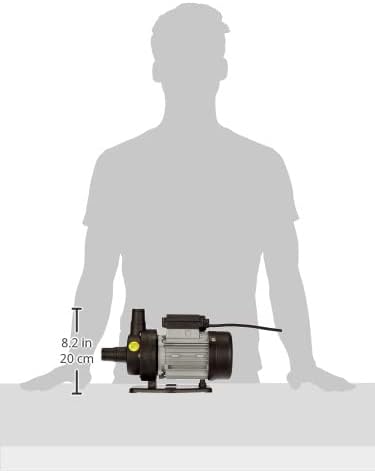
Figure 3.3: Visual representation of the pump's dimensions, approximately 20 cm (8.2 inches) in height.

Figure 3.4: Product packaging displaying key specifications such as 230V/200W power, 6.5m max head, and 6000 l/h flow rate.
4. Tatūnga
Follow these steps for proper installation of your filtration pump:
- Wewete ana: Kia ata tangohia nga waahanga katoa mai i te kete. Tirotirohia mo te kino.
- Turanga: Position the pump on a firm, level surface near your pool, ensuring it is protected from direct weather exposure and has adequate air circulation.
- Hononga ngongo: Connect the appropriate hoses (32mm or 38mm diameter) to the pump's inlet and outlet ports. Ensure all connections are secure and watertight to prevent leaks.
- Whakapaipai: Before starting, ensure the pump is fully primed with water. This typically involves filling the pump housing with water until it overflows from the suction port.
- Hononga Hiko: Connect the pump to a grounded electrical outlet (240V). Ensure the circuit is protected by a Residual Current Device (RCD) for safety.
5. Mahi
Once the pump is set up and primed, you can begin operation:
- Tīmatahia te Pump: Turn on the power supply to the pump. The pump should start circulating water immediately.
- Aroturuki: Observe the water flow and pressure. The pump operates quietly, indicating efficient performance.
- Wā Whakahaere: The optimal run time for your pump depends on your pool size and usage. Consult your pool system's guidelines for recommended daily filtration cycles.
- Whakaweto Raro: Hei whakaweto i te papu, momotu noa mai i te pūtake hiko.
6. Tiaki
Regular maintenance ensures the longevity and efficiency of your filtration pump:
- Te horoi: Periodically clean the pump's exterior with a damp kakahu. Kaua e whakamahia nga matū kino.
- Filter System Maintenance: This pump works in conjunction with a filtration system. Regularly clean or replace the filter cartridges or media as recommended by your filter system's manual.
- Te takurua: If you live in an area with freezing temperatures, disconnect the pump and drain all water from it before winter. Store the pump in a dry, frost-free location.
- Tirohanga Hose: Regularly check hoses and connections for wear, cracks, or leaks. Replace damaged components as needed.
7. Te Raru
Mena ka raru koe ki to papu, tirohia nga raru me nga otinga e whai ake nei:
| Raruraru | Take pea | Rongoā |
|---|---|---|
| Kaore e timata te papu | Karekau he hiko Te wera nui o te motuka Ko te Impeller kua pakaru | Tirohia te hononga hiko me te whati ara iahiko Allow pump to cool down Disconnect power and inspect/clear impeller |
| Te rere wai iti | Kaore i mua te papu Tātari kapia Te rere o te hau ki te raina momi | Whakanuia ano te papu Horoi, whakakapi ranei i te tātari Check all suction line connections for tightness |
| He haruru te papu | Te hau i roto i te punaha He para i roto i te impeller Ka maroke te papu | Whakahekea te hau mai i te punaha Disconnect power and clear debris Ensure pump is primed and has continuous water supply |
8. Whakatakotoranga
| Āhuahira | Whakatakotoranga |
|---|---|
| Kaihanga | Steinbach |
| Tau tauira | 040955 |
| Rahi Hua (L x W x H) | 22.5 x 15.5 x 33.5 cm (8.86 x 6.1 x 13.19 inihi) |
| Taumaha | 4 kg (8.82 lbs) |
| Rere Rere | 6000 l/h (75 Liters per minute) |
| Teitei o te Upoko | 6.5 mita |
| Voltage | 240 Volts |
| Whakamahi Hiko | 200 Watts |
| Rauemi | Kirihou |
| Tae | Pango, Hiriwa |
| Te Diameter Hononga Paipa | 32mm / 38mm |
| Max. Te Pawera Wai | 35 ℃ |
| Tiwhikete | Kua whakamanahia te pouri-kore |
| Waehere Tuhinga o te Ao | 9008748409551 |
9. Pūtāhui me te Tautoko
Specific warranty information for the Steinbach 040955 CPS 40-2 Filtration Pump is not explicitly provided in the product data. For any product-related inquiries, technical support, or warranty claims, please contact Steinbach customer service directly or refer to the official Steinbach webpae mo nga korero tautoko taipitopito.
Please retain your proof of purchase for any warranty-related matters.