
Apogee SkyMetra
Pukapuka Whakaako mō te Rokete Tauira Apogee SkyMetra
Model: SkyMetra | Brand: Apogee
Kupu Whakataki
The Apogee SkyMetra model rocket is designed for enthusiasts seeking an accessible entry into two-stage rocketry. This kit is engineered for straightforward assembly and preparation for flight, making it suitable for both beginners and those undertaking science fair projects. Its design accommodates various payloads, such as altimeters or small action figures, within its clear payload bay.
This manual provides comprehensive instructions for the assembly, operation, maintenance, and troubleshooting of your SkyMetra model rocket, ensuring a safe and successful experience.
Ka mutu te huaview
The SkyMetra is a two-stage model rocket kit featuring a slotted body tube for precise fin alignment and lightweight wooden fins for optimal performance. It is compatible with standard 18mm diameter rocket engines (A through C-size).
- Rua-stage model rocket kit.
- Capable of flights exceeding 1750 feet (533.4m).
- Utilizes A through C-size rocket engines.
- Features a clear payload bay for experimental payloads.

Figure 1: Fully assembled Apogee SkyMetra model rocket, showcasing its two-stage design and clear payload section.
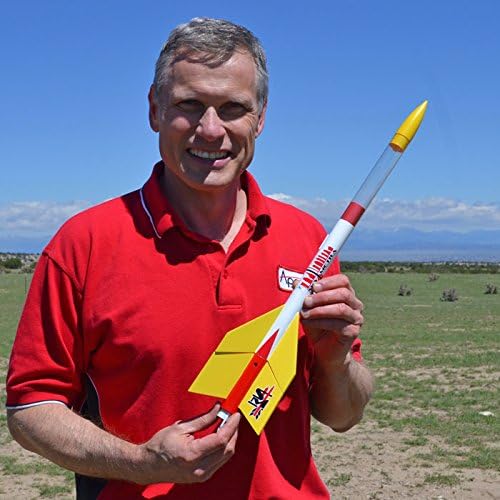
Figure 2: An adult holding the Apogee SkyMetra model rocket, illustrating its size and design.
Tatūnga me te Runanga
The SkyMetra kit is designed for ease of assembly. Follow the detailed instructions provided with your kit for best results. Key features include a slotted body tube and laser-cut fins for precise alignment.
Ihirangi kete

Whakaatu 3: Neke Atuview of the Apogee SkyMetra model rocket kit contents, including body tubes, fins, nose cone, and instructions.
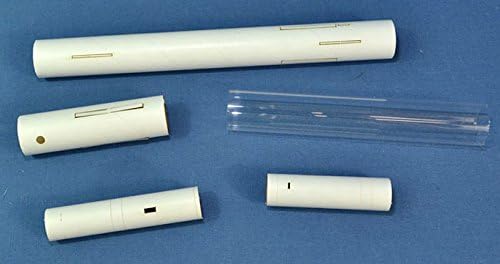
Figure 4: Different body tube components and the clear payload section, ready for assembly.
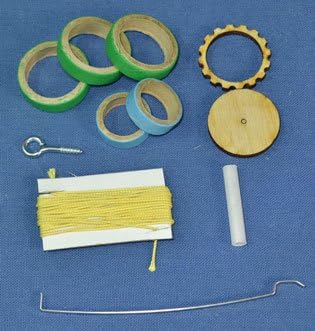
Figure 5: Essential small components for assembly, such as masking tape, an eye hook, and various wooden parts.
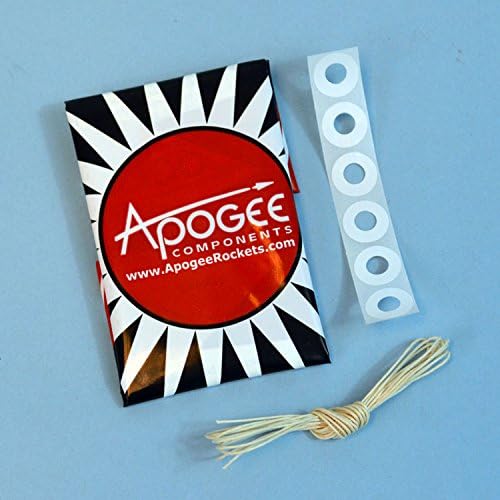
Figure 6: Additional kit components including Apogee Components packaging, recovery wadding, and shock cord.
Fin Attachment
The kit includes lightweight wooden fins that are designed to be airfoiled for reduced drag. The slotted body tube ensures that the laser-cut fins mount perfectly straight, contributing to stable flight.

Figure 7: Illustration of different fin configurations, including the in-line fin setup used for the SkyMetra's two-stage design, which enhances stability.
Rua-Stage Whirihoranga
The SkyMetra features a classic two-stage configuration where the fins of the bottom stage nest against the back edge of the top stage's fins, aligning them. This design minimizes frontal area and enhances stability for straight flights.
Nga Tohutohu Whakahaere
Engine Selection and Installation
The SkyMetra rocket uses standard 18mm diameter rocket engines, ranging from A to C-size. Select an engine appropriate for your desired flight performance and launch area. Ensure the engine is securely installed according to the engine manufacturer's instructions and the rocket kit's guidelines.
Rarangi Arowhai i mua i te whakarewatanga
- Manatokohia kua piri katoa nga waahanga.
- Ensure recovery system (parachute/streamer) is properly packed.
- Check igniter installation and continuity.
- Confirm launch site is clear and safe for flight.
- Me whakarite staging mechanism is set for two-stage rere.
Launch Procedure
Place the rocket on a stable launch pad. Connect the igniter to the launch controller. Ensure all spectators are at a safe distance. Initiate launch sequence. The bottom stage will ignite and propel the rocket approximately 50 feet into the air before separating. The top stage will then ignite, continuing the ascent. This "pop-and-go" staging provides significant acceleration and altitude.
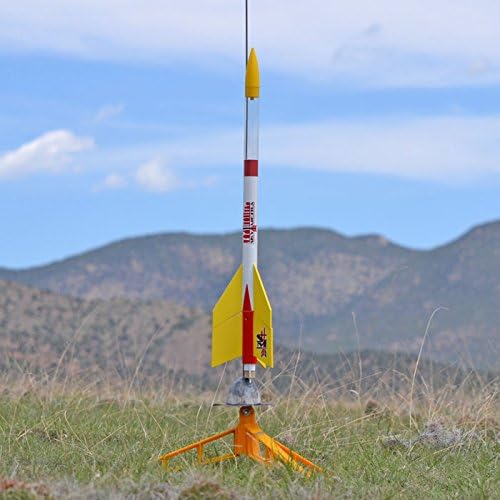
Figure 8: The SkyMetra rocket positioned on a launch pad, illustrating its readiness for flight.
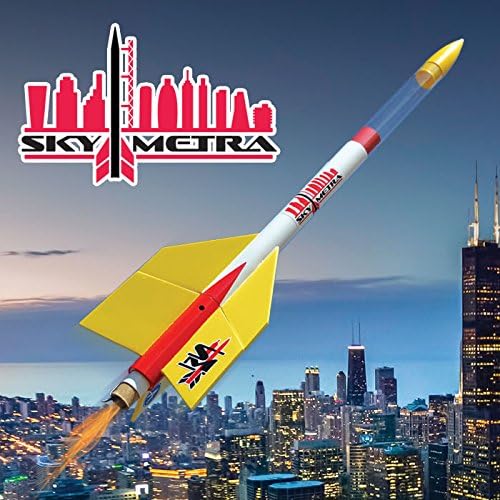
Figure 9: The SkyMetra rocket during launch, showing the initial thrust from the engine.
Te tiaki
After each flight, inspect your SkyMetra rocket for any damage. Check fin attachments, body tube integrity, and nose cone fit. Ensure the recovery system is free of tears or tangles. Clean any residue from the engine mount area. Store the rocket in a dry, cool place to prevent material degradation.
Raparongoā
- Rocket does not launch: Check igniter connection, ensure launch controller battery is charged, and verify engine is properly seated.
- Rere kore iu: Re-check fin alignment and attachment. Ensure nose cone is securely attached. Verify correct engine selection for the rocket's weight.
- Recovery system failure: Ensure recovery wadding is properly inserted to protect the parachute/streamer from ejection charge. Check elastic shock cord for damage.
- Staging failure: Ensure the upper stage engine igniter is correctly positioned and the staging mechanism is free of obstructions.
Whakatakotoranga
| Waitohu | Apogee |
| Tauira | SkyMetra |
| Momo | Rua-Stage Model Rocket Kit |
| Teitei Teitei | Over 1750 feet (533.4m) |
| Hototahi Miihini | Standard 18mm diameter (A, B, C-size) |
| Rauemi | Plastic (nose cone, clear payload), Wood (fins), Paper (body tubes) |
| Payload Bay | Clear, see-through |
| Te Tau Manakohia | 12 tau ki runga ake |
| UPC | 656779050212 |
| ASIN | B078KGCB2G |
Nga korero Whakaputanga
Specific warranty details for the Apogee SkyMetra model rocket kit are not provided in the product information. Please refer to the manufacturer's official website, Apogee Components, or contact their customer support for any warranty-related inquiries.
Tautoko me te Whakapā
For further assistance, technical support, or inquiries regarding your Apogee SkyMetra model rocket, please visit the official Apogee Components website or contact their customer service department. Contact information is typically included in the product packaging or on the manufacturer's webpae.
Manufacturer: Apogee Components
Tuhinga e pa ana - SkyMetra
 |
Apogee SkyMetra Model Rocket Kit #05021 Assembly Instructions Detailed assembly instructions for the Apogee SkyMetra two-stage model rocket kit (#05021). Learn how to build, prepare, and launch your rocket with step-by-step guidance, parts list, and safety procedures. |
 |
Invicta Model Rocket Kit Assembly Instructions - Apogee Components Comprehensive assembly instructions for the Apogee Components Invicta model rocket kit (Kit #05070). Includes required tools, parts list, detailed step-by-step building guide, finishing tips, and launch procedures for this two-stage rocket. |
 |
Te whiriwhiri Motini mo te 2-Stage Rockets - Wāhanga 2 | Nga Waenga Apogee He aratohu matawhānui mai i te Apogee Components mo te whiriwhiri i nga motuka e tika ana mo te rua-stage roketi, e whakamaarama ana i te tukanga mo te whakanui me te s rungatages, te whakaaro ki nga whaainga misioni, me te whakamahi i nga taputapu whaihanga penei i a RockSim. |
 |
Te whiriwhiri Motini mo te 2-Stage Rockets - Part 2 | Apogee Components Newsletter A comprehensive guide from Apogee Components on selecting motors for 2-stage rockets, covering safety, mission objectives, simulation techniques, and key considerations for hobbyists. |
 |
Selecting Motors for Clusters and Multi-Stage Rockets | Apogee Peak of Flight Newsletter A guide to selecting safe and effective rocket motors for clustered and multi-stage rocket designs using RockSim software. Covers key safety criteria, simulation techniques, and real-world examples. |
 |
Modifying the Apogee Nike-Hercules for Single-Stage Flight: A How-To Guide Learn how to modify the Apogee Nike-Hercules model rocket for single-stage flight. This guide provides detailed instructions, parts lists, and tips for simplifying your rocket build and launch experience. |
Ask a question about this manual
Ask about setup, troubleshooting, compatibility, parts, safety, or missing instructions. Manuals+ will review the question and use this page’s manual context to help answer it.