
1. Hua Neke Atuview
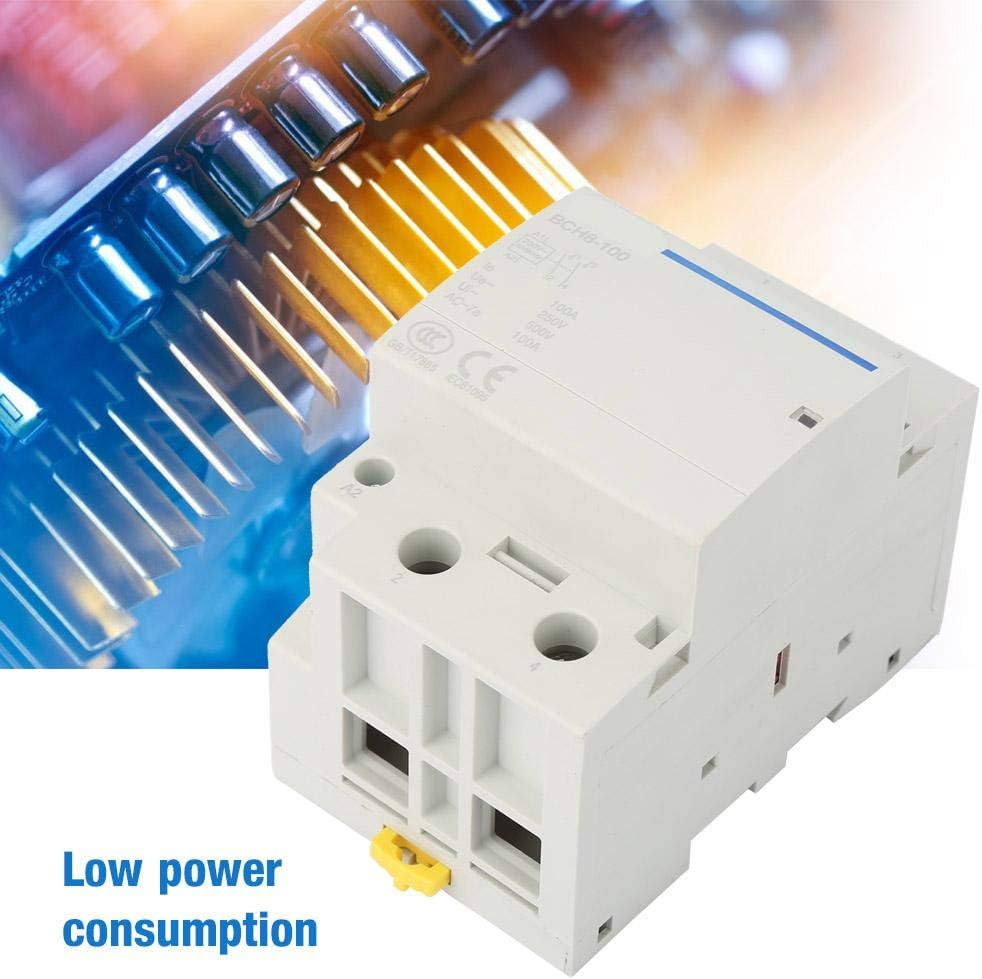
The Jectse Modular AC Contactor (Model Jectsemgrbxow015-02) is an electrical control device designed for various applications, including home and industrial electrical systems. It features a 2P/2NO contact configuration and a 100A rated current, available with 24V AC or 230V AC control voltage options. This contactor is engineered for reliability, quiet operation, and energy efficiency.
Āhuatanga matua:
- Extra Long Life: Engineered to withstand 100,000 full load switching cycles under AC-7a load type, ensuring extended operational reliability.
- Mahinga Wahangukore: Designed to minimize audible impact sound during engagement and eliminate low-frequency buzzing during operation, making it suitable for noise-sensitive environments.
- Hoahoa Tiaki Pungao: Optimized to significantly reduce power consumption required to maintain coil suction in the working state.
- Auautanga Mahi: Rated for an operating frequency of 30 times per hour with a 40% load factor.
- Mahinga Whakapono: Ensures reliable closing within an ambient air temperature range of -5°C to +60°C when the rated control power supply voltage (Us) is applied to the attraction coil.
2. Whakatakotoranga
| Tawhā | Uara |
|---|---|
| Rated Current (AC-7a) | 100A |
| Conventional Heating Current (lth) | 63A |
| Rated Control Power Supply Voltage (Us) | 24V AC; 230V AC (Optional) |
| Whakatauhia te Voltage (Ui) | 500V AC |
| Whakatauhia te Voltage (Ue) | 250V AC |
| Number of Main Contacts | 2P, 2NO |
| Te Ora Hiko | 100,000 huringa |
| Te Ora Miihini | 1,000,000 huringa |
| Maximum Switching Times | 1h/30 |
| Rauemi | Te parahi |
| Taumaha Tūemi | 11.6 hekere |
| Tau tauira | Jectsemgrbxow015-02 |
3. Nga korero haumaru
Pānuihia, kia mārama hoki ngā tohutohu haumaru katoa i mua i te tāutanga, te whakahaere, te tiaki rānei i tēnei hua. Mēnā ka kore ēnei tohutohu e whai, ka pāngia pea koe e te ru hiko, te ahi, te whara kino rānei.
- Momotu Mana: Always ensure that all power sources are disconnected and locked out before performing any installation, wiring, or maintenance on the contactor.
- Kaimahi Tohu: Installation and servicing should only be performed by qualified and authorized electrical personnel.
- Whakapapa Tika: Ensure the electrical system is properly grounded according to local and national electrical codes.
- Uara Whakatauria: Do not exceed the specified rated voltage, current, or operating frequency of the contactor. Overloading can lead to damage or hazardous conditions.
- Nga Tikanga Taiao: Operate the contactor within the specified ambient temperature and humidity ranges.
- Taputapu Tiaki Whaiaro (PPE): Always wear appropriate PPE, such as insulated gloves and safety glasses, when working with electrical equipment.
- Taputapu Waea: Ensure all wiring connections are secure and properly insulated to prevent short circuits or loose contacts.
4. Tāuta me te Tatūnga
The Jectse Modular AC Contactor is designed for DIN rail mounting, allowing for easy integration into standard electrical enclosures.
Hipanga Tāuta:
- Momotu Hiko: Before beginning installation, ensure all power to the circuit is turned off at the main breaker and verified with a voltage Kaiwhakamatautau.
- Whakapiki: Securely attach the contactor to a standard DIN rail within an appropriate electrical enclosure. Ensure it is firmly seated and cannot move.
- Wiring the Control Circuit: Honoa te mana voltage (24V AC or 230V AC, depending on the model) to the A1 and A2 terminals of the contactor coil. Refer to the wiring diagram on the product label for correct polarity and connections.
- Wiring the Main Circuit: Connect the main power supply to the input terminals (e.g., 1 and 3) and the load to the output terminals (e.g., 2 and 4) of the contactor. Ensure all connections are tight and use appropriate wire gauges for the 100A rated current.
- Manatoko: Double-check all wiring connections for correctness, tightness, and proper insulation. Ensure no bare wires are exposed.
- Te Katinga o te Āpiti: Close the electrical enclosure securely before restoring power.


5. Mahi
The AC contactor operates as an electrically controlled switch, allowing or interrupting the flow of current to a connected load.
- Whakawhanaunga: When the rated control voltage (24V AC or 230V AC) is applied to the A1 and A2 terminals of the contactor coil, an electromagnetic field is generated. This field pulls the armature, causing the main contacts (2P/2NO) to close. With the contacts closed, power flows from the input terminals to the output terminals, energizing the connected load.
- Wehenga: Ina te mana voltage is removed from the A1 and A2 terminals, the electromagnetic field collapses. A spring mechanism then forces the armature back to its original position, opening the main contacts. This action disconnects power from the load, turning it off.

6. Tiaki
The Jectse Modular AC Contactor is designed for minimal maintenance. Regular inspections can help ensure its continued reliable operation.
- Tirotiro Ataata: Periodically inspect the contactor for any signs of physical damage, discoloration, or overheating. Check for loose connections or frayed wires.
- Te ma: Keep the contactor free from dust, dirt, and moisture. Use a dry, soft cloth to clean the exterior. Do not use liquids or abrasive cleaners.
- Contact Check: If accessible and safe to do so (with power disconnected), visually inspect the contacts for excessive wear or pitting. If contacts are severely worn, the contactor may need replacement.
- Whakapiki Hononga: Over time, vibrations can loosen electrical connections. Periodically check and tighten all terminal screws to ensure good electrical contact.
Tuhipoka: Always disconnect power before performing any maintenance tasks.
7. Te Raru
This section provides guidance for common issues encountered with the AC contactor. For problems not listed here, contact qualified service personnel.
| Raruraru | Take pea | Rongoā |
|---|---|---|
| Contactor does not engage (contacts do not close) | Kaore he mana voltage; Incorrect control voltage; Open circuit in control wiring; Damaged coil; Mechanical obstruction. | Manatokohia te mana voltage at A1/A2 terminals; Check control circuit wiring for breaks or loose connections; Test coil resistance (if safe and qualified); Inspect for foreign objects. |
| Contactor does not disengage (contacts remain closed) | Mana voltage not removed; Contacts welded shut; Mechanical fault. | Ensure control voltage is properly removed; If contacts are welded, replace the contactor; Inspect for mechanical issues. |
| Contactor overheats | Overload current; Poor ventilation; Loose connections; Incorrect voltage. | Check load current against contactor rating; Ensure adequate airflow around the contactor; Tighten all power connections; Verify correct control and main voltages. |
| Audible buzzing during operation | Loose laminations; Dirt on pole faces; Incorrect voltage. | Ensure mounting screws are tight; Clean pole faces (with power off); Verify control voltage is stable and correct. |
8. Hua Ataata
Watch the official product video for a visual demonstration of the Jectse Modular AC Contactor.
Official product video demonstrating the Jectse Modular AC Contactor (Model Jectsemgrbxow015-02) from various angles.
9. Pūtāhui me te Tautoko
For warranty information, technical support, or service inquiries regarding your Jectse Modular AC Contactor, please refer to the manufacturer's official website or contact Jectse customer service directly. Keep your purchase receipt for warranty claims.
Mo etahi atu awhina, ka toro atu koe ki te Jectse Store on Amazon.