
1. Hua Neke Atuview
The DROK DC Buck Converter is a high-performance, digitally controlled step-down power module designed to convert a higher DC input voltage to a lower, adjustable DC output voltage and current. It features an integrated LED display for real-time monitoring of voltage, current, capacity, and time. This module is equipped with advanced microprocessor control for precise adjustments and includes a cooling fan and heat sink for efficient thermal management.

Whakaahua 1: Runga view of the DROK DC Buck Converter module.
2. Nga Tohutohu Haumaru
Please read and understand these safety instructions before operating the device. Failure to follow these instructions may result in electric shock, fire, or damage to the product.
- Whakauru Voltage: Whakaritea te voltage is within the specified range of DC 10V-65V. Exceeding this range can damage the module.
- Uta Putanga: Do not exceed the maximum output current of 12A or maximum output power of 720W.
- Polarity: Always observe correct input and output polarity. Incorrect connections can cause severe damage.
- Whakahau: Ensure adequate ventilation around the module, especially the cooling fan and heat sink, to prevent overheating.
- Taiao: Avoid operating the module in environments with high humidity, dust, or extreme temperatures.
- Tāutatanga: Me mahi anake te tāutanga me te waea e ngā kaimahi whai tohu.
- Wehenga: Ensure the module is properly isolated from other components to prevent accidental short circuits.
3. Product Components and Diagram
Familiarize yourself with the main components of the DROK DC Buck Converter:

Image 2: Labeled diagram of the DROK DC Buck Converter.
- Input + / Input -: Terminals for connecting the DC power source (10V-65V).
- Output + / Output -: Terminals for connecting the load.
- Whakaatu Atanga: LED screen showing real-time voltage, o nāianei, te kaha, me te wā.
- Poihi whakamatao: Activates automatically to dissipate heat during operation.
- Operation Key Buttons: Used for setting output voltage, nāianei, me ētahi atu tawhā.
- Working Status Indicators: LEDs for OUT (Output active), CV (Constant Voltage mode), and CC (Constant Current mode).
4. Whakatakotoranga
| Tawhā | Uara |
|---|---|
| Whakauru Voltage Awhe | DC 10V - 65V |
| Putanga Putanga Whakaritea Voltage Awhe | DC 0V - 60V |
| Putanga Whakaritea Awhe o naianei | 0A - 12A |
| Te Mana Putanga Morahi | 720W |
| Putanga Voltage Tautuhinga Whakatau | 10mV |
| Taumira Tautuhinga Auaha Putanga | 10mA |
| Tikanga Angamaheni | 94% (Input 54V, Output 30V, Current 5A) |
| VoltagHapa Whakaaturanga e | ±1% + 20mV |
| Hapa Whakaaturanga o Nāianei | ±1% + 20mA |
| Wā Whakautu | <50ms |
| Ahu (L x W x H) | 104mm x 83mm x 57mm (115mm length with cooling fan) |
| Taumaha | 10.8 hekere (tata ki te 306g) |
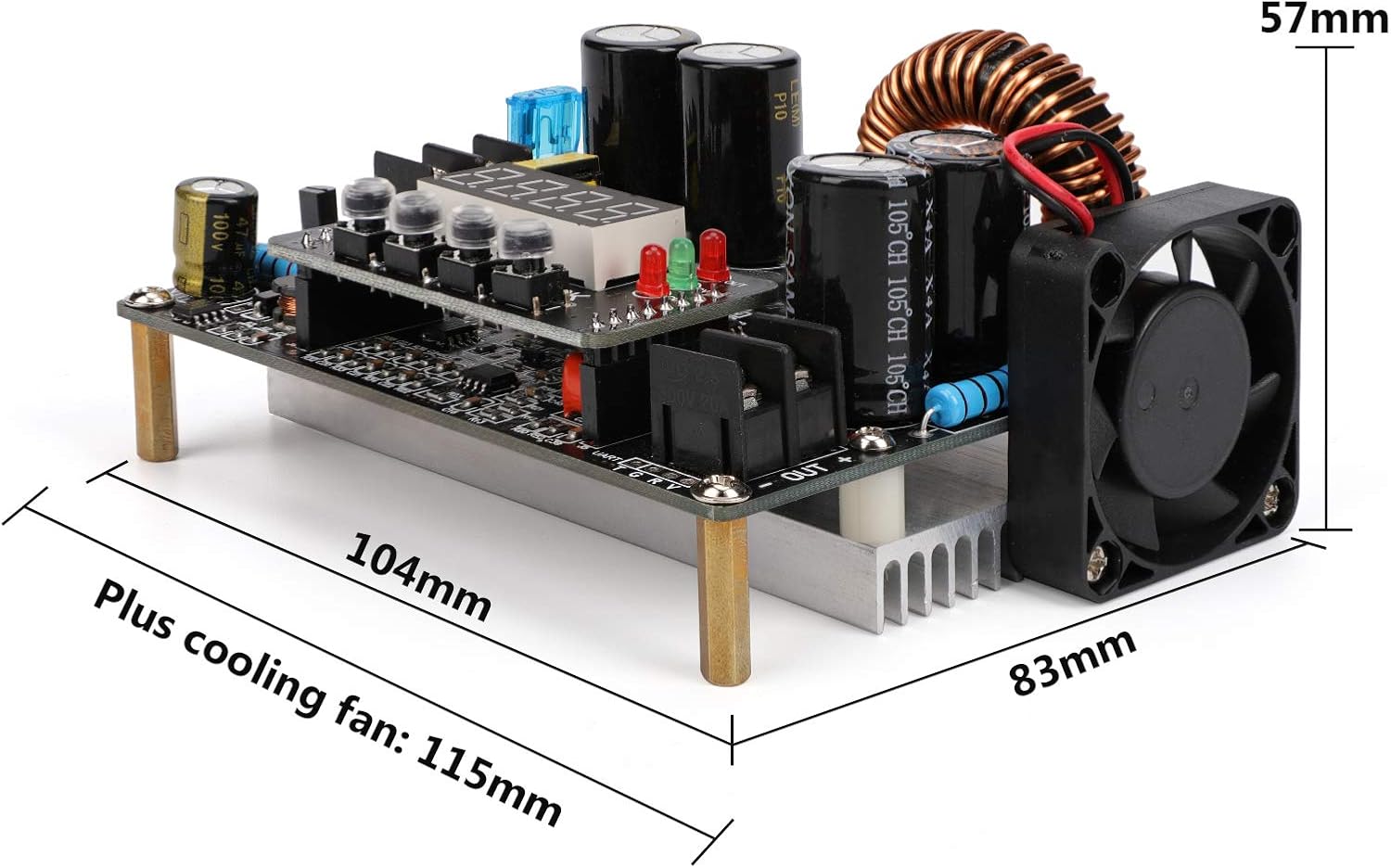
Image 3: Physical dimensions of the converter module.
5. Tatūnga
5.1 Hononga Waea
- Mana Whakauru: Connect your DC power source (10V-65V) to the 'IN+' and 'IN-' terminals. Ensure correct polarity.
- Uta Putanga: Connect your load device to the 'OUT+' and 'OUT-' terminals. Again, verify correct polarity.
- Hononga Haumaru: Ensure all wire connections are tight and secure to prevent loose contacts or short circuits.
5.2 Whakapiki
Mount the module in a stable location that allows for proper airflow, especially around the cooling fan and heat sink. Avoid enclosed spaces that could lead to heat buildup.

Image 4: Cooling fan and cooling pad for thermal management.
6. Nga Tohutohu Whakahaere
6.1 Te Whakahaa
Once wired correctly, apply power to the input terminals. The LED display will illuminate, showing the current output voltage or other default parameters.
6.2 Te Whakatikatika i te Rōrahi Putangatage me o nāianei
The module features operation key buttons for precise adjustment:
- Voltage Tautuhinga: Press the 'SET' button to enter voltage adjustment mode. Use the adjustment buttons (usually up/down arrows or rotary encoder, if present) to increase or decrease the voltage value. Press 'OK' to confirm and save the setting.
- Tautuhinga onāianei: Similarly, press 'SET' to cycle to current adjustment mode. Adjust the current value using the appropriate buttons and confirm with 'OK'.
- Whakaatu Wā-tūturu: The LED display shows real-time output voltage and current. It can also display capacity and time, which can be cycled through using the buttons.
6.3 Tohu Whakaaturanga
The module includes LED indicators to show its operating status:
- KI WAHO: Illuminates when the output is active.
- CV (Taumau Voltage): Illuminates when the module is operating in constant voltage aratau.
- CC (Constant Current): Illuminates when the module is operating in constant current mode.
6.4 Āhuatanga Arā Atu Anō
- Automatic Output: The module can be configured to automatically enable output upon power input. Refer to the specific button sequence for this setting.
- Aratau Maukati Patene: To prevent accidental changes to settings, the parameter adjustment buttons can be locked. Consult the device's specific button combination for this function.
7. Tiaki
Regular maintenance ensures optimal performance and longevity of your DROK DC Buck Converter:
- Te horoi: Puritia te kōwae kia ma, kia kore hoki he puehu, he paru rānei. Whakamahia he kakahu ngohengohe, maroke hei horoi. Kaua e whakamahi i ngā wai horoi.
- Pūnaha whakamatao: Periodically check that the cooling fan and heat sink fins are free from obstructions to ensure efficient heat dissipation.
- Hononga: Regularly inspect all input and output wiring connections for tightness and signs of wear or corrosion.
- Rokiroki: When not in use for extended periods, store the module in a dry, cool, and dust-free environment.
8. Te Raru
If you encounter issues with your DROK DC Buck Converter, refer to the following common problems and solutions:
| Raruraru | Take pea | Rongoā |
|---|---|---|
| No display / No power | No input power; Incorrect input polarity; Loose connections. | Check input power source; Verify input wiring polarity; Secure all connections. |
| Kaore he putanga voltage/ nāianei | Output disabled; Output short circuit; Overload protection activated; Incorrect output settings. | Ensure output is enabled; Check load for short circuits; Reduce load; Verify output voltage/tautuhinga o naianei. |
| Putanga voltagte kore pumau o te au/e | Input power fluctuation; Loose connections; Overheating. | Use a stable input power source; Check all wiring; Ensure proper ventilation and cooling. |
| Te wera rawa o te kōwae | Insufficient ventilation; Cooling fan obstructed or faulty; Exceeding power limits. | Ensure clear airflow; Clean fan/heat sink; Reduce load to stay within specifications. |
| Whakaatu hapa | Measurement error within specified tolerance; Internal fault. | Note the specified error margin; If persistent and significant, contact support. |
9. Pūtāhui me te Tautoko
DROK products are designed for reliability and performance. For technical assistance, warranty claims, or any questions regarding your DC Buck Converter, please contact DROK customer service through the retailer where you purchased the product or visit the official DROK webpae mo nga korero tautoko.