
1. Kupu Whakataki
Thank you for choosing the KUNPHY 350ml Ultrasonic Cleaner. This device utilizes high-frequency ultrasonic waves (46,000 Hz) to provide thorough and gentle cleaning for various items without causing damage. The ultrasonic vibrations, combined with a gentle water flow, effectively remove hidden dirt and grime from intricate surfaces. This manual provides essential information for the safe and efficient operation of your ultrasonic cleaner.
2. Nga Tohutohu Haumaru
- Panuihia nga tohutohu katoa i mua i te whakamahi i te taputapu.
- Kaua e rukuhia te wae matua ki te wai, ki etahi atu wai ranei.
- Me whakarite kei pakaru te taura hiko, ā, kei te hono tika ki te putanga hiko whenua.
- Kaua e taea e nga tamariki.
- Kaua e whakahaerehia te kaihoroi me te kore he wai i roto i te tāke.
- Wewetehia te taputapu ina kore e whakamahia ana i mua i te horoi.
- Avoid cleaning scratched or cracked glasses/sunglasses, as ultrasonic cleaning may worsen existing damage.
- Kaua e wetewete, kaua e ngana ki te whakatika i te waahanga. Whakapa atu ki te tautoko a nga kaihoko mo te awhina.
3. Hua Neke Atuview
3.1 Waehanga
- Ultrasonic Cleaner Unit (with 304 stainless steel tank)
- Taputapu Maarama
- Power Adapter (integrated or separate, depending on model)
- Watch Stand (included for specific items)
3.2 Nga waahanga
- Effective Ultrasonic Cleaning: 46,000 Hz frequency for deep cleaning.
- Te Kaha Rawa: 350ml stainless steel tank, suitable for various items.
- Mahi ngawari: One-button ON/OFF control.
- Katia Aunoa: Device automatically turns off after a cleaning cycle (typically 3 minutes).
- Hanga Roa: 304 stainless steel interior for corrosion resistance.
- Hoahoa Pumau: Non-slip silicone strip on the bottom for stability and noise reduction.
- Whakamahinga Whanui: Ideal for jewelry, watches, glasses, dentures, electric shaver heads, makeup brushes, combs, and more.

Image 1: KUNPHY 350ml Ultrasonic Cleaner showing its compact design and items it can clean.

Image 2: Versatility of the KUNPHY Ultrasonic Cleaner for various items including watches, dentures, and jewelry.
4. Tatūnga
- Turanga: Place the ultrasonic cleaner on a stable, flat, and dry surface. Ensure it is near a power outlet.
- Hononga Hiko: Monohia te urutau hiko ki tetahi putanga hiko tika.
- Whakakī Tane: Open the lid and fill the stainless steel tank with tap water. Do not exceed the maximum fill line. For enhanced cleaning, a small amount of dish soap or a specialized ultrasonic cleaning solution can be added.
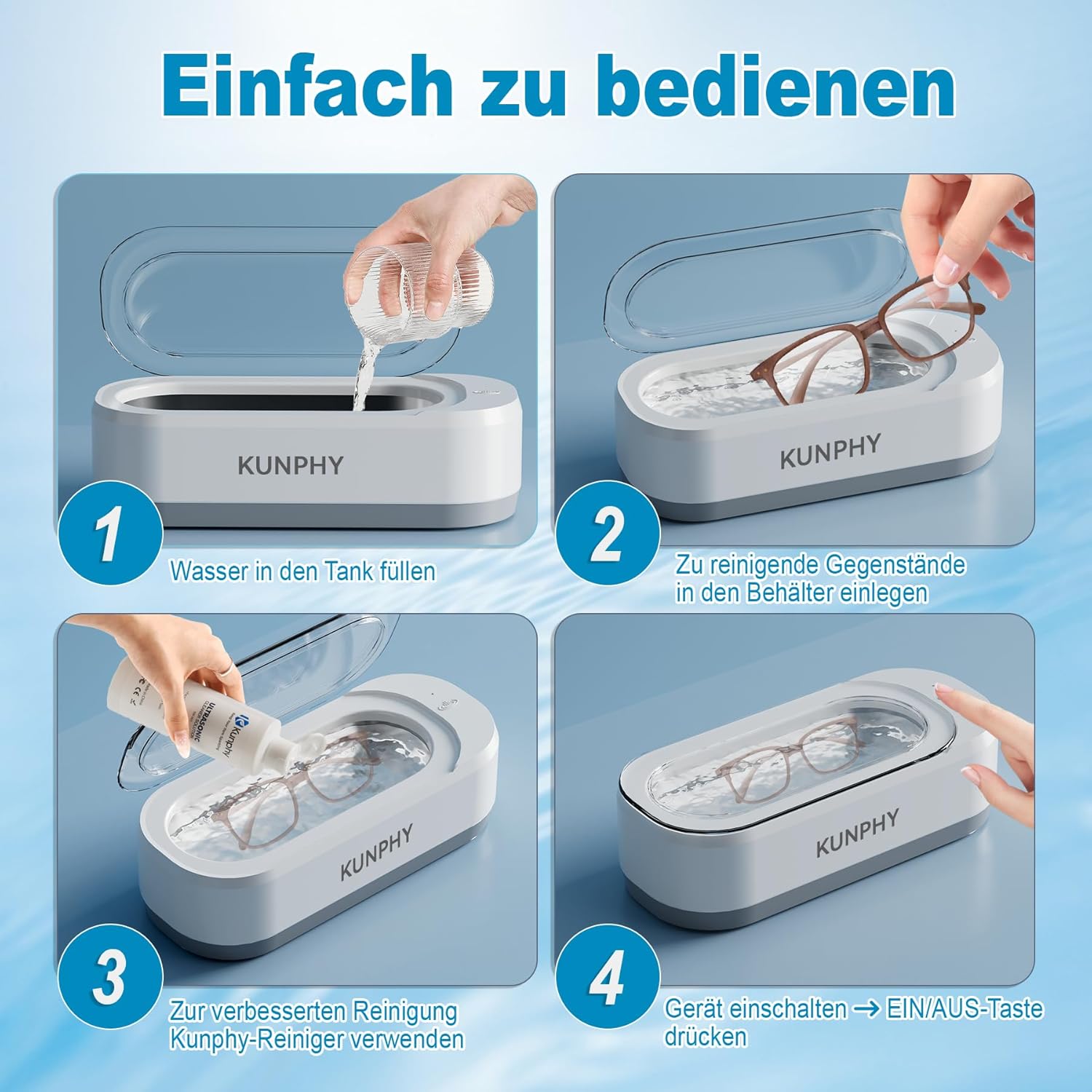
Image 3: Visual guide for filling the tank and placing items.
5. Nga Tohutohu Whakahaere
- Whakaritea nga Tuemi: Ensure items to be cleaned are suitable for ultrasonic cleaning. For watches, use the included watch stand if applicable.
- Tūemi Wāhi: Carefully place the items into the water in the stainless steel tank. Ensure items are fully submerged but not overcrowded.
- Tīmata te horoi: Close the lid and press the ON/OFF button to start the cleaning cycle. The device will begin operating, and you may hear a gentle humming sound.
- Katia Aunoa: The cleaner will automatically stop after approximately 3 minutes.
- Inspect and Repeat: After the cycle, open the lid and carefully remove the cleaned items. Rinse them under clean water and dry with a soft cloth. If items are still dirty, you may repeat the cleaning cycle.
- Wātea, ā, ma: After use, unplug the device, empty the water from the tank, and wipe the tank and exterior clean.

Image 4: Demonstration of cleaning effectiveness on glasses.

Image 5: Demonstration of cleaning effectiveness on jewelry.
6. Tiaki
- Te horoi i te Tank: After each use, empty the water and wipe the stainless steel tank with a soft cloth. Do not use abrasive cleaners or harsh chemicals.
- Horoi o waho: Horoia te taha o waho o te waahanga me te panuiamp cloth. Ensure no water enters the electronic components.
- Rokiroki: Store the cleaner in a cool, dry place away from direct sunlight and moisture when not in use.
- Te whakakorikori: If mineral deposits build up in the tank, use a mild descaling solution or vinegar diluted with water, run a short cycle, then rinse thoroughly.
7. Te Raru
| Raruraru | Take pea | Rongoā |
|---|---|---|
| Karekau te waeine e ka ana. | Karekau he hiko. | Check if the power cord is securely plugged into the unit and the wall outlet. Ensure the outlet is functional. |
| Kaore e whai hua te horoi. | Insufficient water or cleaning solution; items too dirty; items overcrowded. | Ensure tank is filled to the appropriate level. Add a small amount of cleaning solution. Clean fewer items at a time. Run multiple cycles if necessary. |
| Haruru rereke i te wa e mahi ana. | Unit not on a flat surface; tank empty. | Place the unit on a stable, flat surface. Ensure the tank is filled with water. |
8. Whakatakotoranga
- Tau tauira: Mor-DE-UC-BCM-187
- Kaihanga: SWX
- Raukaha: 350ml
- Auau a Ultrasonic: 46,000 Hz
- Mana: 18 Watt-haora
- Rauemi: PTFE (Polytetrafluoroethylene), 304 Stainless Steel
- Tae: Mā
- Ahu mōkihi: 31 x 11.2 x 7.9 cm
- Taumaha: 680 karamu
- Nga Waahanga Kei roto: Ultrasonic cleaner unit, watch stand
- Pikohiko e hiahiatia ana: Kao
- Te Ra Tuatahi Wātea: Paenga-whāwhā 15, 2022
9. Tautoko Kiritaki
For any questions, concerns, or technical assistance regarding your KUNPHY Ultrasonic Cleaner, please contact our customer service. We aim to provide high-quality support to ensure your satisfaction.