
NUFEBS B0C4FH9QSS
NUFEBS Security Camera System User Manual
Model: B0C4FH9QSS
1. Kupu Whakataki
This manual provides detailed instructions for the installation, operation, and maintenance of your NUFEBS Security Camera System. Please read this manual thoroughly before using the product to ensure proper functionality and safety. Keep this manual for future reference.
2. Ihirangi mokete
Manatokohia ko nga mea katoa kei raro nei kei roto i to kete. Mena kei te ngaro, kua pakaru ranei etahi taonga, tena koa whakapiri atu ki te tautoko a nga kaihoko.
- 1 x 10-inch LCD Monitor/NVR
- 4 x 3MP Outdoor PTZ Cameras
- 1 x Pūurutau Mana mo te NVR
- 4 x Whakauru hiko mo nga kamera
- 1 x Tihihiore
- 1 x Ite Itene
- Ngā tīwiri me ngā mono whakamau
- Pukapuka Kaiwhakamahi (tenei tuhinga)
3. Hua Neke Atuview
3.1 Waehanga Pūnaha

Whakaatu 3.1: Neke Atuview of the NUFEBS Security Camera System, showing the 10-inch LCD monitor and four outdoor PTZ cameras.
The NUFEBS Security Camera System includes a central 10-inch LCD monitor which acts as the Network Video Recorder (NVR), and four wireless 3MP outdoor cameras. The system is designed for easy setup and remote access.

Figure 3.2: The smart home security camera system provides wireless coverage around your property.
3.3 Nga waahanga matua
- 3MP Whakamāramatanga Teitei: Provides clear 2K resolution video for detailed monitoring.
- Aroturuki LCD 10-inihi: Integrated display for live viewing and playback without an external monitor.
- Hononga Ahokore: Cameras connect wirelessly to the NVR for flexible placement.
- 355° PTZ Control: Pan, Tilt, and Zoom functionality allows for wide area coverage and remote adjustment.
- Ororongo Ara-rua: Built-in microphone and speaker for communication through the cameras.
- Tirohanga Po Tae: Enhanced night vision capabilities to capture full-color images in low-light conditions.
- Te Motini me nga Matohi: Receive instant notifications upon detecting motion.
- 24/7 Roopu Hopu: Te tuhi tonu me te tuhirua aunoa o ngā kōnae tawhitotage.
- IP65 parewai: Cameras are designed to withstand various outdoor weather conditions.
- Uru Mamao: View ora me te rekoata footage from smartphones or tablets via the dedicated app.
4. Aratohu Tatūnga
4.1 Tatūnga Tuatahi
- Power On the NVR: Connect the NVR (10-inch LCD monitor) to a power outlet using its dedicated power adapter. The system will boot up automatically.
- Power On the Cameras: Connect each camera to a power outlet using its respective power adapter. Ensure the cameras are within range of the NVR's wireless signal.
- Takirua Aunoa: The cameras are pre-paired with the NVR from the factory. Once powered on, they should automatically connect and display video on the NVR screen. If a camera does not connect, refer to the "Troubleshooting" section for manual pairing instructions.
- Honoa te Kiore: Plug the included USB mouse into one of the USB ports on the NVR for easier navigation of the system interface.

Figure 4.1: Illustration of the plug-and-play setup, showing cameras connected to power outlets and automatically pairing with the NVR.
4.2 Whakaaturanga Kamera
Choose suitable locations for your cameras, ensuring they have a clear line of sight to the area you wish to monitor and are within wireless range of the NVR. Avoid placing cameras where direct sunlight or strong light sources will shine into the lens.
- Tohua nga Tohu Keri: Use the camera's mounting base as a template to mark the drilling points on the wall or ceiling.
- Rua rua: Drill holes at the marked points and insert the provided wall plugs if mounting on masonry.
- Kāmera Haumaru: Tiarohia te turanga o te kamera me nga kohao kua keria ka whakamau ma te whakamahi i nga wiri kua whakaratohia.
- Whakarite Koki: Wetekina ngā tīwiri whakatikatika i te tinana o te kāmera hei whakarite i te mea e hiahiatia ana viewing angle, then tighten them to secure the camera in position.
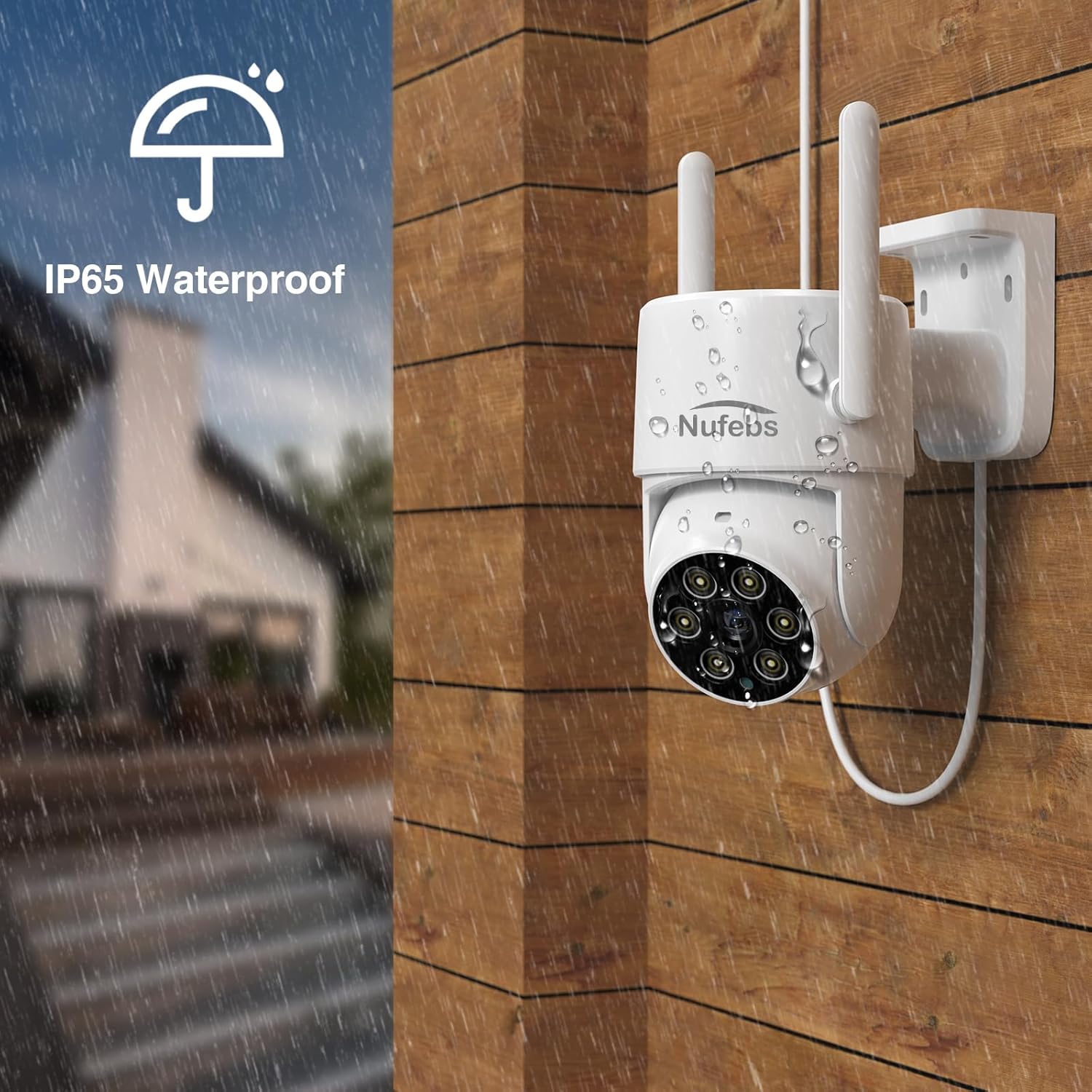
Figure 4.2: An outdoor camera demonstrating its IP65 waterproof design, suitable for various weather conditions.
4.3 Network Connection for Remote Access
Hei whakahohe mamao viewing via the mobile app, the NVR needs to be connected to your home network.
- Wired Connection (Recommended): Connect one end of the Ethernet cable to the LAN port on the NVR and the other end to an available LAN port on your router.
- Wireless Connection (NVR): On the NVR interface, navigate to Network Settings. Select your Wi-Fi network and enter the password.
4.4 Mobile App Setup (Tris Home)
- Tikiake App: Rapua "Tris Home" in the App Store (iOS) or Google Play Store (Android) and download the application.
- Puka Rehita: Open the app and follow the prompts to register a new account.
- Tāpiri Pūrere: Tap the "+" icon or "Add Device" option in the app. Scan the QR code displayed on the NVR's screen (usually found in System Information or Network Settings) or manually enter the device ID.
- View Whangai Ora: Kia tāpirihia, ka taea e koe view the live feed from your cameras and access various settings remotely.

Figure 4.3: The Tris Home app enables remote access to your security system from various devices, including smartphones, tablets, and computers.
5. Nga Tohutohu Whakahaere
5.1 Ora View me te purei hoki
- Ora View: The NVR's 10-inch screen automatically displays the live feed from all connected cameras. You can switch between single-camera view and multi-camera view mā te whakamahi i ngā mana whakahaere i runga i te mata, i te kiore rānei.
- Purei: Right-click on the NVR screen to access the main menu. Select "Playback" to review tuhia footage. You can filter by date, time, and camera.

Figure 5.1: The 24/7 loop recording feature allows continuous monitoring and easy review of past events through a timeline interface.
5.2 PTZ Mana
The 355° PTZ (Pan-Tilt-Zoom) functionality allows you to adjust the camera's viewkoki mamao.
- On NVR: I roto i te ora view, click on a camera channel to select it. Use the PTZ controls (arrows, zoom in/out) displayed on the screen or accessible via the right-click menu.
- Mā te Taupānga Pūkoro: I roto i te ora view of a specific camera, swipe on the screen or use the dedicated PTZ controls to pan, tilt, or zoom.

Figure 5.2: The 355° pan and 90° tilt capabilities of the camera, controllable via the mobile application for comprehensive area coverage.
5.3 Ororongo Waa-rua
The built-in microphone and speaker allow for real-time communication.
- Whakahohe: In the mobile app's live view, tap the microphone icon to speak. Tap again to end.
- Whakarongo: Ensure the speaker icon is enabled in the app to hear audio from the camera's location.

Figure 5.3: The clear two-way audio feature allows for direct communication through the camera, useful for interacting with visitors or delivery personnel.
5.4 Aratau Matakitenga Po
The camera supports multiple night vision modes for optimal visibility in low light.
- Aratau Pūkaha: Standard black and white night vision using IR LEDs.
- Aratau Tae Katoa: E whakamahi ana i ngā rama rama kua hangaia hei whakarato ataata tae-katoa ahakoa i te pōuri kerekere.
- Aratau Maramarama: Stays in infrared mode and switches to full color only when motion is detected, illuminating the area.

Figure 5.4: Comparison of the three night vision modes: Infrared for discreet monitoring, Full Color for detailed visibility, and Intelligent Mode for motion-activated color illumination.
5.5 Te Motini me nga Matohi
Configure motion detection settings to receive alerts and trigger recording.
- Tautuhinga Uru: On the NVR, right-click and navigate to "System Setup" > "Alarm" or "Motion Detection".
- Whakahohehia te Kite Nekehanga: Select the desired camera channel and enable motion detection.
- Whakaritea te Tairongo: Set the sensitivity level to minimize false alarms.
- Set Recording Schedule: Configure the NVR to record when motion is detected.
- Whakamōhiotanga Taupānga: Ensure push notifications are enabled in the Tris Home app settings to receive alerts on your mobile device.

Figure 5.5: The camera's auto-tracking and color night vision features work together to illuminate and follow detected motion in low-light conditions.
6. Tiaki
- Arotahi Ma: Horoia ngā karāhe kāmera i ia wā ki te wai ngohengohe,amp kakahu hei whakarite kia marama te ahua o te ahua. A ape i te horoi horoi.
- Taki Hononga: Me whakarite kei te hono pono ngā urutau hiko me ngā taura katoa, ā, kāore he pakaru.
- Whakahōu Firmware: Tirohia te kaihanga website or the Tris Home app for available firmware updates to ensure optimal performance and security.
- Whakahaere Rokiroki: The NVR supports 24/7 loop recording. If you wish to save specific footage, back it up to an external USB drive.
- Whakaaro Taiao: While cameras are IP65 waterproof, avoid direct high-pressure water jets. Ensure proper ventilation for the NVR.
7. Te Raru
7.1 No Image from Camera
- Taki Hiko: Ensure the camera is properly powered on and its power adapter is connected to a working outlet.
- Tirohia te Waitohu Ahokore: Verify the camera is within the NVR's wireless range. Obstacles like thick walls can weaken the signal.
- Re-pair Camera: If the camera was previously working, try manually re-pairing it with the NVR. On the NVR, go to "Video Manage" or "IPC Channel Config", select an empty channel or the problematic camera, and initiate pairing. Press the reset/pair button on the camera (refer to camera diagram for location).
- Tīmataria anō ngā Pūrere: Power cycle both the camera and the NVR.
7.2 Ngā Take Uru Mamao
- NVR Network Connection: Ensure the NVR is connected to your router via Ethernet or Wi-Fi and has internet access. Check the network status on the NVR.
- Tautuhinga Pouara: Verify that your router's firewall is not blocking the NVR's connection.
- Hononga Taupānga: Me whakarite kei tō pūrere pūkoro he hononga ipurangi pumau (Wi-Fi, raraunga pūkoro rānei).
- Putanga Taupānga: Update the Tris Home app to the latest version.
- Device ID/QR Code: Double-check that you have entered the correct device ID or scanned the correct QR code when adding the NVR to the app.
7.3 Kounga Ataahua Kino
- Arotahi Ma: Dust or smudges on the camera lens can degrade image quality. Clean it gently.
- Nga Tikanga Rama: Ensure there are no strong light sources directly facing the camera, which can cause glare or overexposure.
- Tautuhinga Whakatau: Check the camera's resolution settings on the NVR or app to ensure it's set to 3MP (2K).
- Aratuku Whatunga: Insufficient network bandwidth can cause choppy or low-quality video streams, especially for remote viewing.
7.4 Motion Detection False Alarms
- Whakaritea te Tairongo: Lower the motion detection sensitivity in the NVR settings or app.
- Tautuhia ngā Rohe Kimi: Configure specific detection zones to exclude areas with frequent irrelevant motion (e.g., trees swaying, busy roads).
- Ngā Āhua Taiao: Consider if strong winds, rain, or insects are triggering false alarms.
8. Whakatakotoranga
| Āhuahira | Whakaahuatanga |
|---|---|
| Waitohu | NUFEBS |
| Tauira | B0C4FH9QSS |
| Hangarau Hononga | Ahokore |
| Whakataunga Hopu Ataata | 3MP (2K), 1080p, 720p |
| Nga waahanga motuhake | Motion Sensor, Night Vision (Color, Infrared, Intelligent), PTZ, Two-Way Audio |
| Te maha o nga hongere | 4 |
| Te Rokiroki Mahara | 128 GB |
| Pūnaha Whakahaere (Taupānga) | Android (Compatible with iOS via Tris Home app) |
| Whakamahi Manakohia | Waho |
| Pūrere Hototahi | Waea atamai, Papa |
| Whakatauranga parewai | IP65 |
| Ahu mōkihi | 13.19 x 12.64 x 7.4 inihi |
| Taumaha Tūemi | 6.91 pauna |
9. Pūtāhui me te Tautoko
For warranty information and technical support, please refer to the contact details provided on the product packaging or the official NUFEBS website. Please have your model number (B0C4FH9QSS) ready when contacting support.
Mo etahi atu awhina, ka taea ano e koe te korero ki te whārangi hua i runga i Amazon for updated information or frequently asked questions.
Ask a question about this manual
Ask about setup, troubleshooting, compatibility, parts, safety, or missing instructions. Manuals+ will review the question and use this page’s manual context to help answer it.