
1. Kupu Whakataki
This manual provides detailed instructions for the installation, operation, and maintenance of your ARPHA D160 Keyless Entry Door Lock. Please read this manual thoroughly before installation and use to ensure proper function and longevity of the product. Keep this manual for future reference.
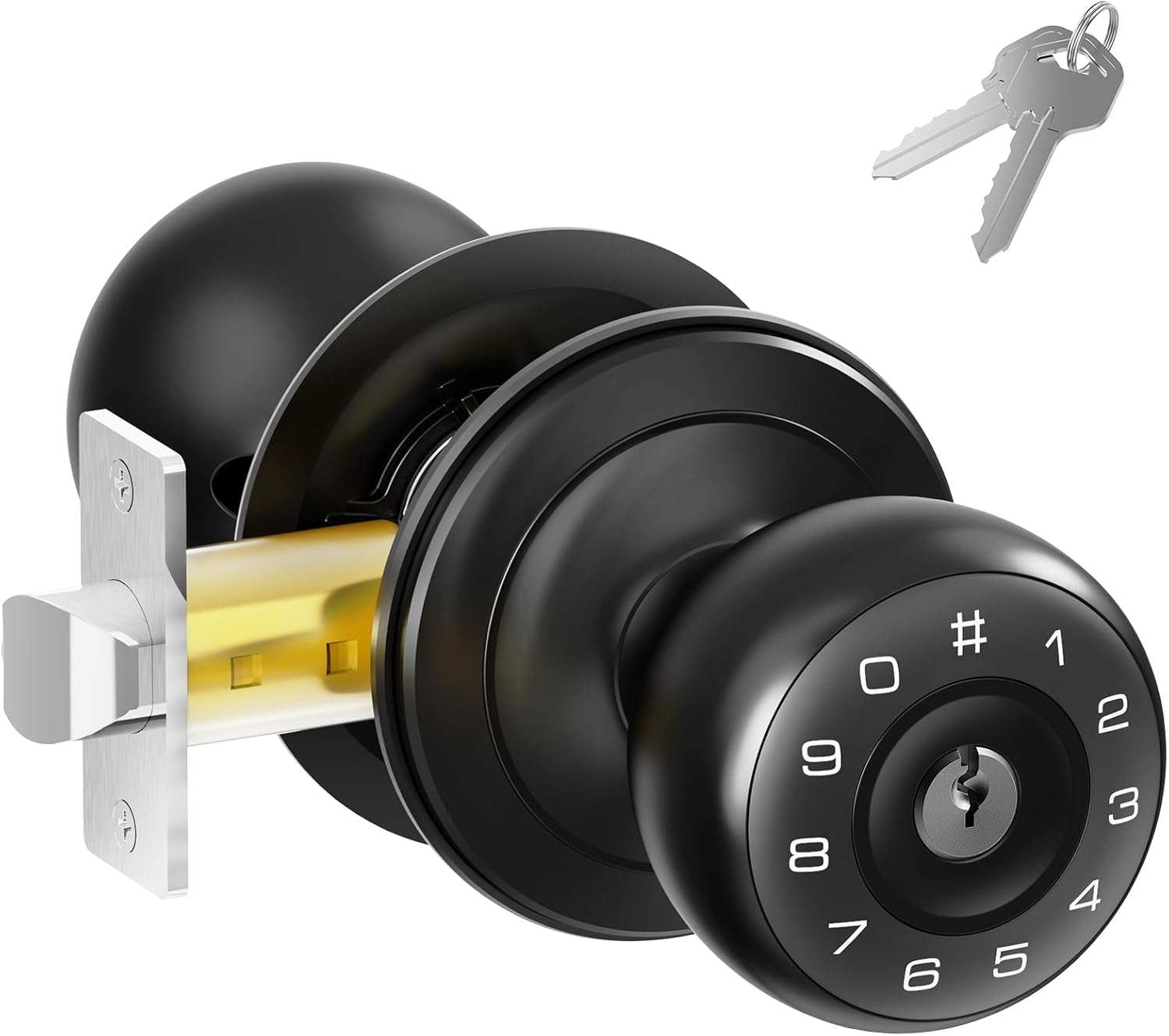
Figure 1.1: The ARPHA D160 Keyless Entry Door Lock, shown with its mechanical keys.
2. Nga korero haumaru
- Do not attempt to disassemble or repair the lock yourself. Contact qualified personnel for service.
- Use only specified battery types (4x AA batteries, not included). Do not mix old and new batteries or different types of batteries.
- Keep mechanical keys in a secure location outside the property to prevent lockout in case of battery failure or electronic malfunction.
- Avoid exposing the lock to direct water spray or extreme temperatures.
- Regularly check battery levels and replace batteries when the low battery alert is activated.
3. Ihirangi mokete
Manatokona kei te noho nga waahanga katoa i mua i te tiimata o te whakaurunga:
- Exterior Keypad Knob
- Puka o roto
- Kati Rati
- Pahi Wharahi
- Mounting Hardware (screws, spindle)
- Ngā Kī Mīhini (2)
- Pukapuka Kaiwhakamahi
4. Hua Neke Atuview
The ARPHA D160 Keyless Entry Door Lock offers convenient and secure access with multiple features designed for ease of use and enhanced security.

Whakaatu 4.1: Neke Atuview of ARPHA D160 Keypad Door Knob features, including low battery alert, auto-lock, virtual password, support for 50 user codes, silent mode, and emergency charging capabilities.
Āhuatanga matua:
- Urunga Kīkore: Access your door using a programmable passcode.
- Mana Taupānga: Manage lock settings and access codes via a dedicated mobile application.
- Waehere Kotahi-Wā: Generate temporary access codes for guests or service providers.
- Kupuhipa Anti-Peeping: Enter random digits before or after your actual code to prevent unauthorized viewing.
- Maukati Aunoa: Automatically locks the door after a set period.
- Aratau mangu: Disables keypad sounds for quiet operation.
- Te Utu Ohotata: USB-C port for temporary power in case of battery depletion.
- Matohi Pūhiko Iti: Visual and audible indicators for low battery status.
5. Tāutanga
Follow these steps for proper installation of your ARPHA D160 door lock. Ensure your door thickness is between 1.4"-2.7" (35-55mm) and the backset is 2-3/8" or 2-3/4" (60 or 70mm).
5.1 Whakaritea te Kūaha
- Remove any existing door hardware.
- Verify door dimensions match the lock specifications.
5.2 Install the Latch Bolt
- Insert the latch bolt into the door edge. Ensure the latch is oriented correctly for your door's swing.
- Whakamaua ki nga wiri.
5.3 Install the Exterior Keypad Knob
- Pass the spindle and wires from the exterior keypad knob through the latch bolt and door hole.
- Ensure the knob is flush against the door.
5.4 Install the Interior Knob
- Connect the wires from the exterior knob to the interior knob, matching colors (e.g., red to red, black to black, yellow to yellow).
- Align the interior knob with the spindle and secure it to the exterior knob using the provided mounting hardware.
- Insert 4 AA batteries into the interior knob's battery compartment.
5.5 Install the Strike Plate
- Tāutahia te pereti patu ki runga i te anga o te kuaha, whakahāngaitia ki te raka raka.
- Whakamaua ki nga wiri.
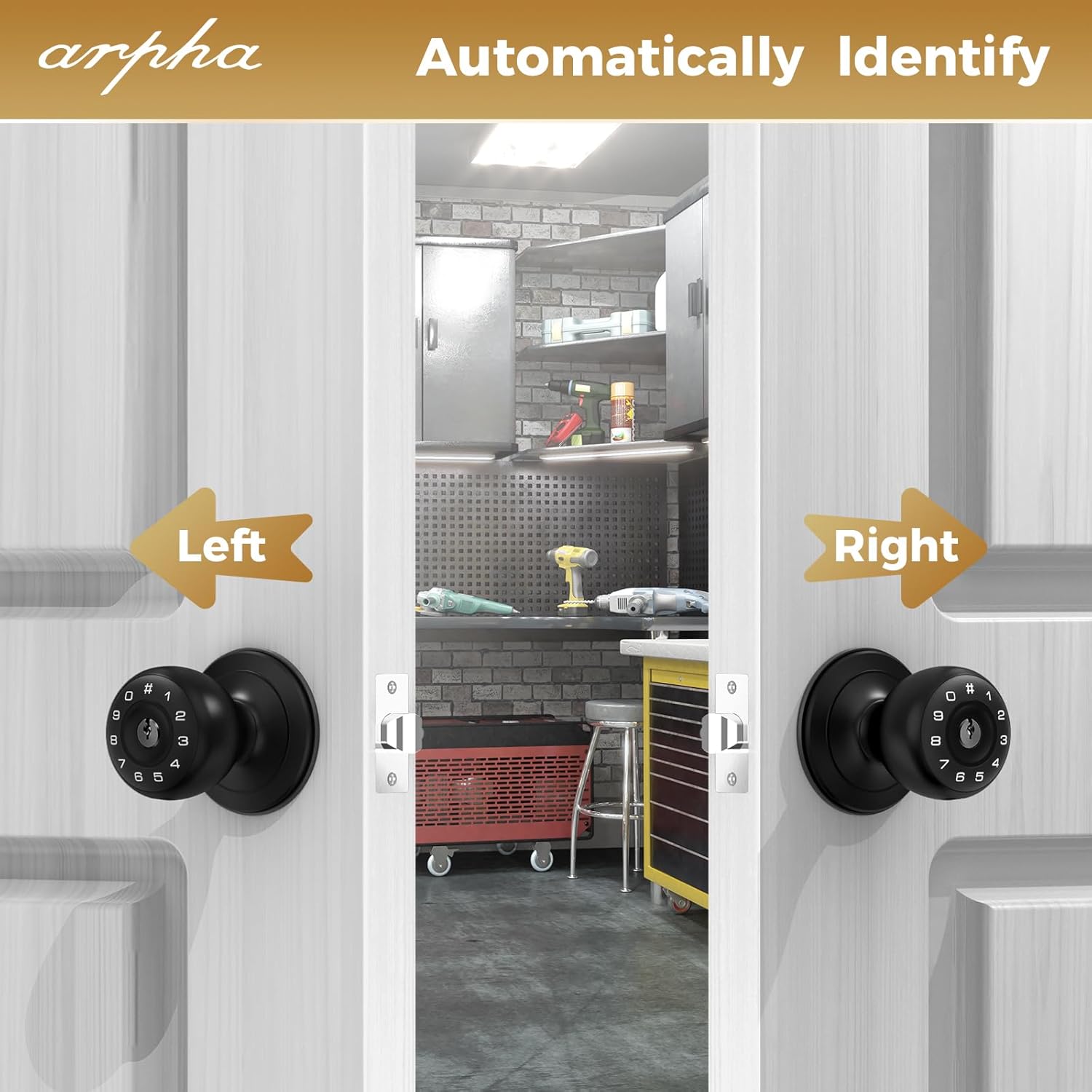
Figure 5.1: The ARPHA D160 lock automatically identifies left or right-handed door configurations during installation.
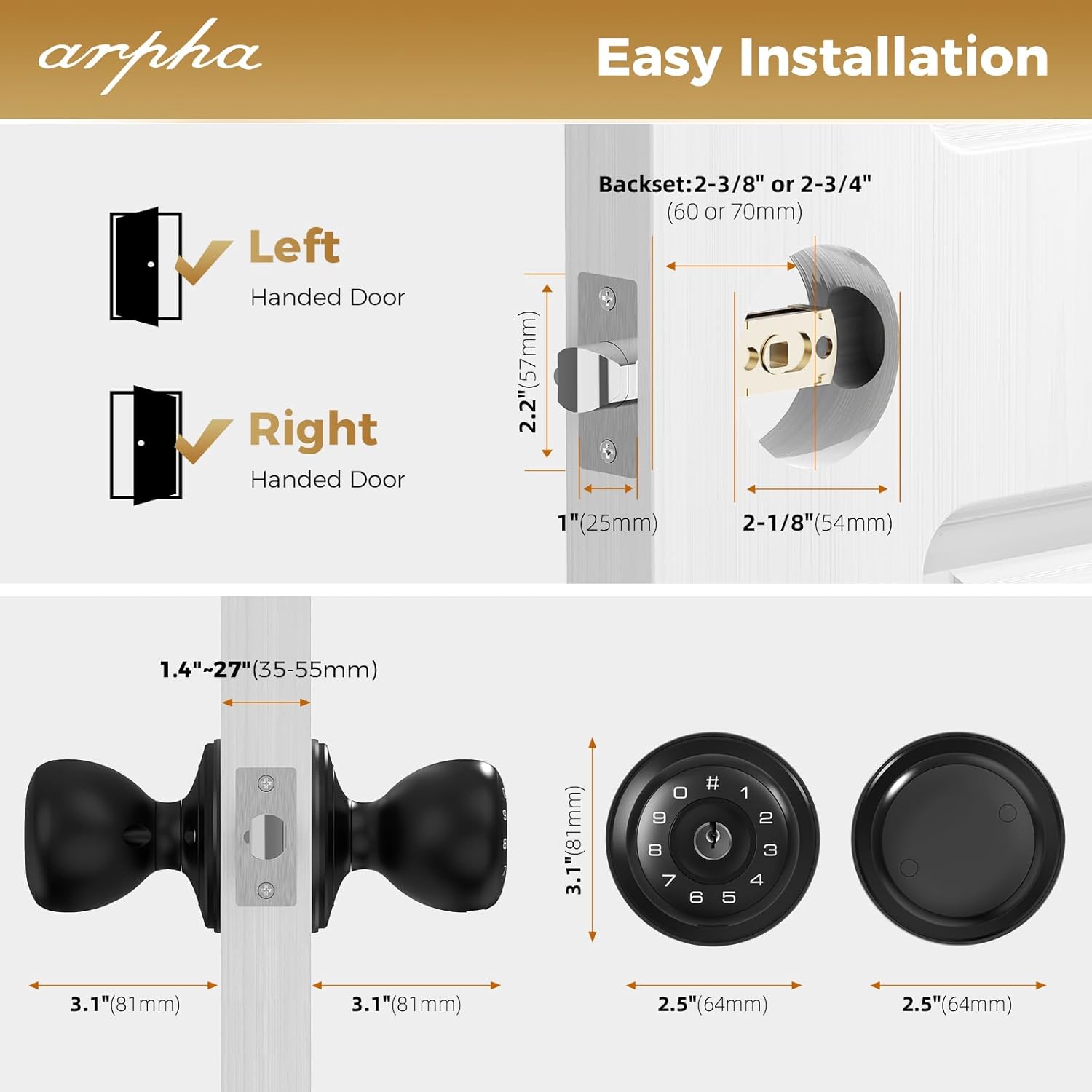
Figure 5.2: Detailed dimensions for door preparation and lock components, including backset and door thickness requirements.
6. Nga Tohutohu Whakahaere
6.1 Initial Setup and Master Code
- After battery installation, the lock will emit a beep.
- Refer to the quick start guide for initial master code programming. This code is essential for managing other user codes.
6.2 User Code Management
The lock supports up to 50 user codes.

Figure 6.1: The ARPHA D160 allows for up to 50 distinct user codes, suitable for family, friends, or temporary access.
- Tāpiri Waehere Kaiwhakamahi: Follow the instructions in the quick start guide to add new user codes using the master code.
- Deleting User Codes: To delete a specific user code, you must reset all user codes and then reprogram the desired ones. Individual code deletion is not supported.
6.3 Anti-Peeping Password
To enhance security, you can enter random digits before or after your actual PIN code. The lock will still recognize the correct sequence within the longer entry.
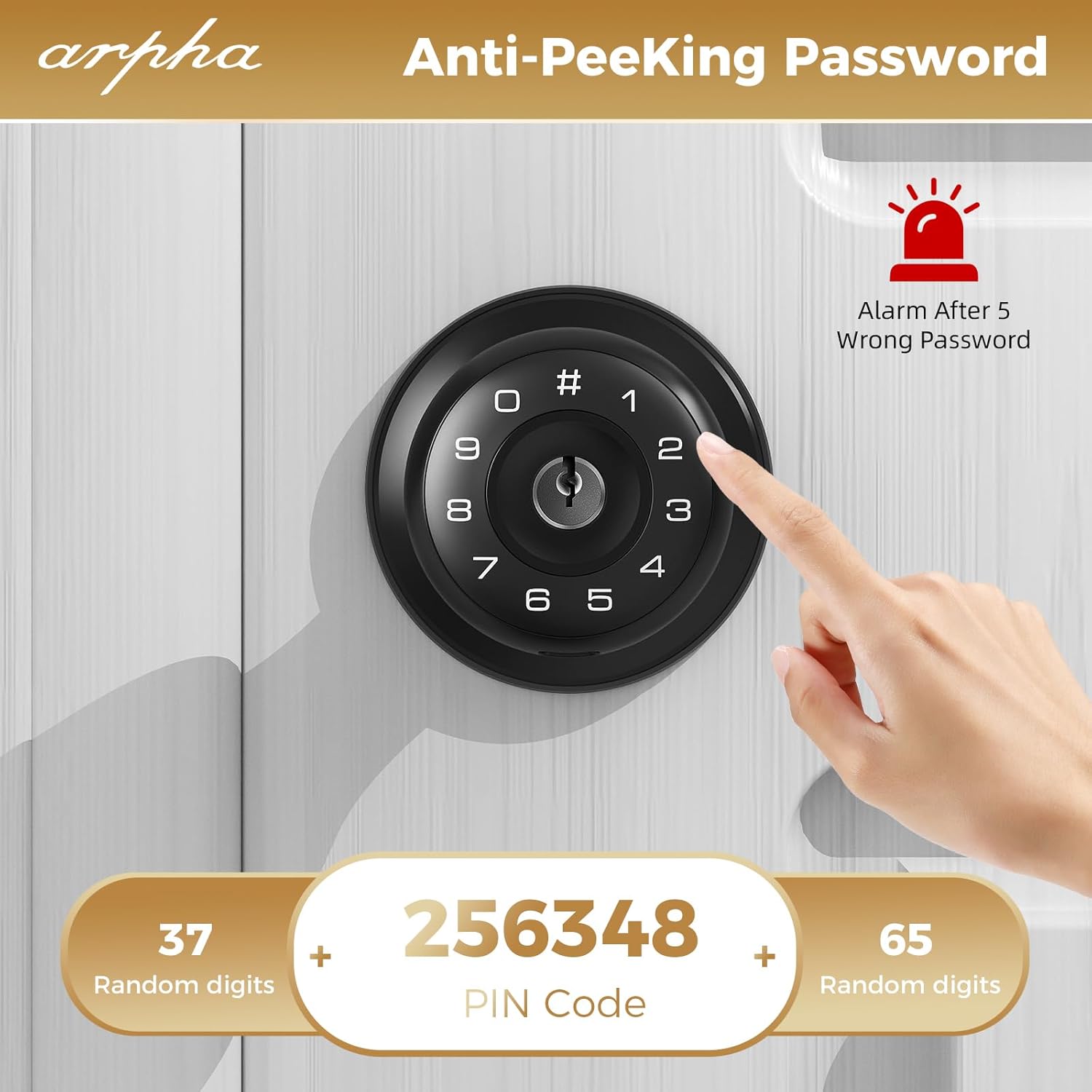
Whakaahua 6.2: Example of anti-peeping password entry, where random digits surround the actual PIN code.
6.4 Silent Mode (Bass Mode)
Activate silent mode to disable keypad beeps for quiet operation, ideal for late-night entry or exit.
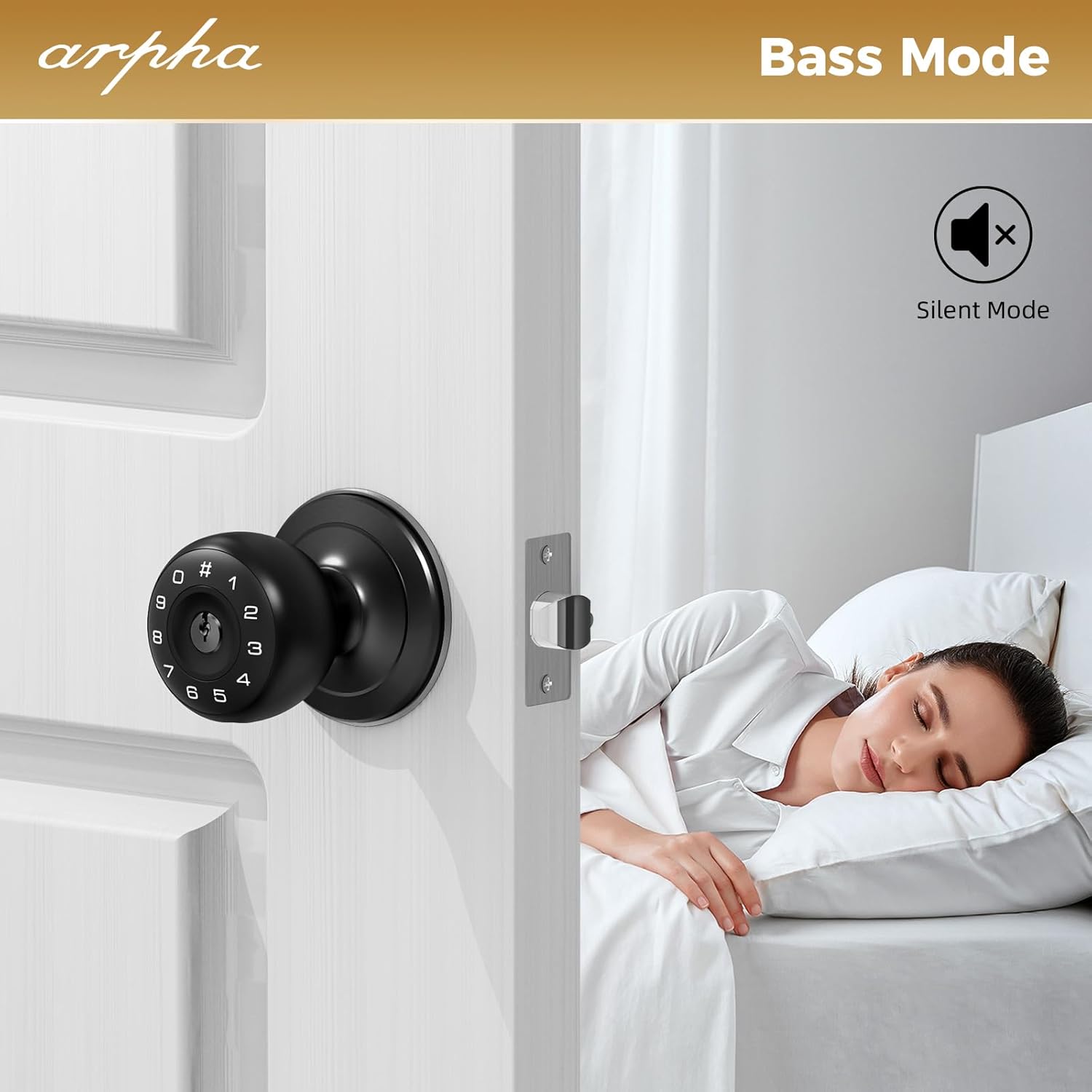
Figure 6.3: The lock operating in silent mode, indicated by a muted speaker icon.
6.5 Mahi Maukati-Aunoa
The lock can be configured to automatically re-lock after a specified duration (e.g., 10-30 seconds) once unlocked. Refer to the app or quick start guide for setting this feature.
6.6 Emergency Charging
In case of complete battery depletion, the lock features a USB-C port for temporary emergency power. Connect a power bank to this port to provide enough power to enter your code and unlock the door.

Figure 6.4: The lock displaying a low battery alert and demonstrating the use of the emergency USB-C charging port.
7. Tiaki
- Whakakapinga Pūhiko: Replace all four AA batteries when the low battery alert is activated. Do not wait for complete battery depletion.
- Te horoi: Wipe the lock's exterior with a soft, dry cloth. Avoid abrasive cleaners or solvents that may damage the finish or electronic components.
- Te Tiaki Papapātuhi: Keep the keypad free from dirt and debris.
8. Te Raru
| Raruraru | Take pea | Rongoā |
|---|---|---|
| Kare a Maukati e aro ki te urunga papapātuhi. | Dead batteries. Incorrect code entry. | Replace batteries. Use emergency charging. Re-enter code carefully. |
| Lock beeps continuously or alarms. | Low battery. Multiple incorrect code entries. | Replace batteries. Wait 1 minute after 5 incorrect entries before trying again. |
| Door does not lock/unlock smoothly. | Misalignment of latch bolt or strike plate. Obstruction. | Check alignment and adjust if necessary. Ensure no debris is blocking the latch. |
| Ko te mana taupānga kaore e mahi. | Bluetooth not enabled. App not paired. | Ensure Bluetooth is active on your device. Follow app pairing instructions. |
9. Whakatakotoranga
- Waitohu: ĀRAPA
- Ingoa Tauira: D160 Maukati Kuha Kuha Kore Kī
- Momo Maukati: Papapātuhi
- Rauemi: Te whakarewa
- Tae: Pango
- Rahi Hua: 6.2 x 3.1 x 3.1 inihi
- Taumaha Tūemi: 1.94 pauna
- Puna Hiko: 4 x Pahiko AA (kaore i whakauruhia)
- Nga waahanga motuhake: Passcode Unlock, App Control, Anti-Peeping Password, Auto-Lock, Silent Mode, Emergency USB-C Charging
- Whakamahinga Manakohia: Securing rooms and spaces in residential and office settings
10. Pūtāhui me te Tautoko
ARPHA products are designed for reliability and performance. For warranty information or technical support, please refer to the contact details provided with your purchase documentation or visit the official ARPHA webpae. Puritia to riirii hoko hei tohu mo te hoko mo nga kereme whakamana.