
1. Kupu Whakataki
This manual provides comprehensive instructions for the Fuers H.265+ 8-Channel 5MP Lite Hybrid DVR with 500GB HDD. This DVR is designed for surveillance systems, offering compatibility with various camera types and advanced features for reliable security monitoring.
Ko nga ahuatanga matua ko:
- 6-in-1 Hybrid Capability: Supports TVI, AHD, CVI, XVI, CVBS, and IP cameras.
- Kōpeketanga Ataata H.265+: Efficiently records, plays back, and stores footage, saving up to 50% storage space compared to H.264.
- AI Hunga Tangata: Advanced algorithms detect unusual activity and send real-time notifications.
- Aroturuki Mamao: Access your system via a mobile app for live viewme te purei hoki.
- Pre-installed 500GB HDD: Ready for immediate recording.
2. Hua Neke Atuview
2.1 Ihirangi mokete
Manatokona kei roto katoa nga mea kei roto i to kete:
- 1x A6908-5MP 8CH DVR
- 1x 500G Hard Drive (Pre-installed on DVR)
- 1x DVR Power Supply
- 1x Kiore USB
- 1x Manual Kaiwhakamahi
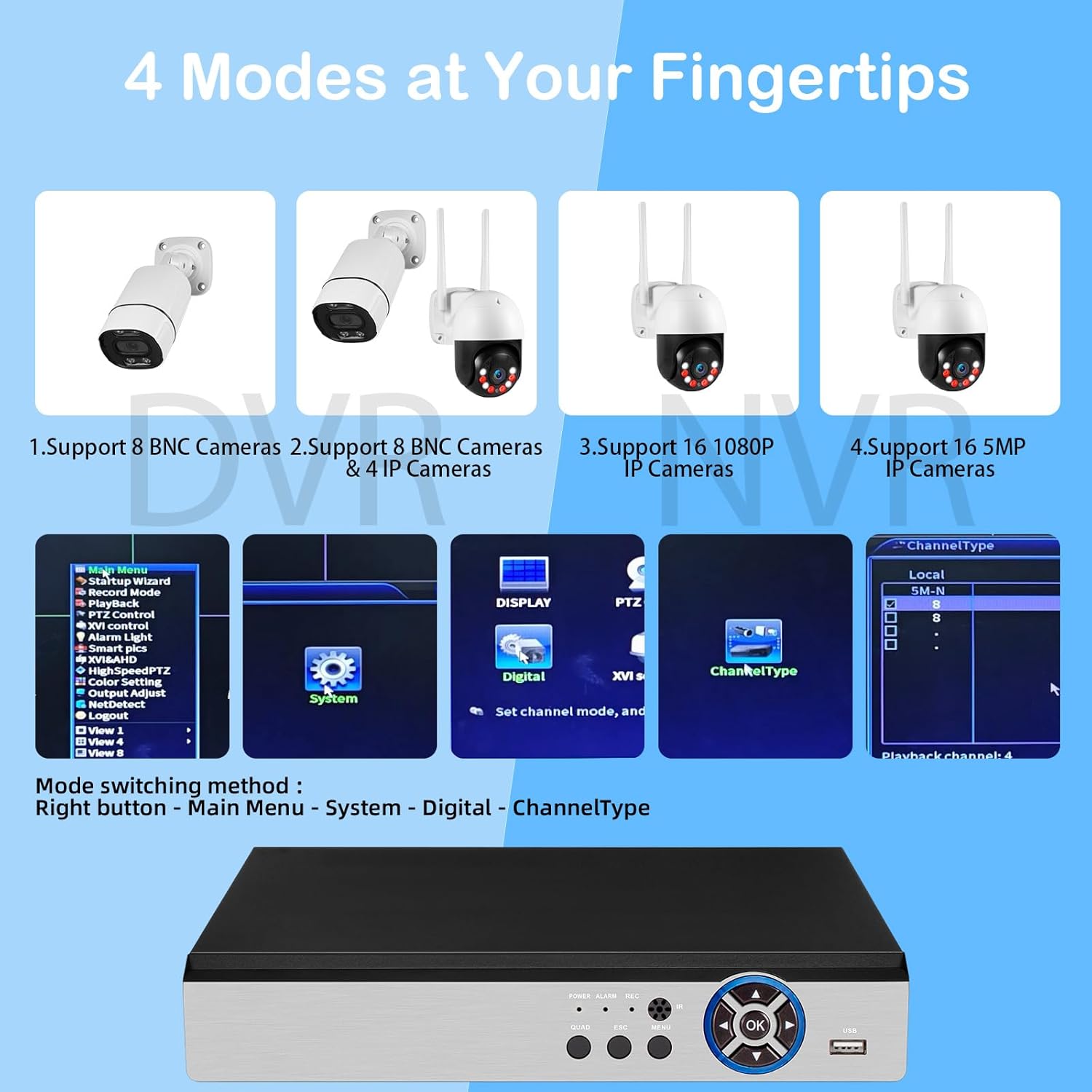
Figure 2.1: What's in the Box? The image displays the DVR unit, a 500GB hard drive, a power supply, a USB mouse, and the user manual, illustrating all components included with the product.
2.2 DVR Interfaces
Familiarize yourself with the ports and indicators on your DVR unit:
- Ataata ki roto (BNC): Connect up to 8 surveillance cameras.
- Ororongo Tāuru/Tae (RCA): Mo te whakauru oro me te whakaputa.
- Putanga VGA: Connect to a PC monitor.
- Huaputa HDMI: Connect to a TV or monitor for high-definition display.
- Tauranga USB: For connecting the USB mouse and external storage.
- Whatunga (RJ45): Connect to your router for internet access and remote viewing.
- DC 12V Whakauru Mana: Connect the DVR power supply.
- Mana Paewhiri Mua: Power, Alarm, Record, Quad, Esc, Menu, OK buttons.

Figure 2.2: DVR Introduction. This image provides a detailed view of the DVR's front and rear panels, labeling all connection points and control buttons for easy identification.
3. Tatūnga
3.1 Hononga Taputapu Tuatahi
Whāia ēnei mahi hei hono i tō pūnaha DVR:
- Connect the HDMI or VGA cable from the DVR to your monitor or TV.
- Plug the USB mouse into one of the DVR's USB ports.
- Connect your surveillance cameras to the BNC video input ports on the DVR. Ensure proper connections for both video and power (camera cables are not included).
- Connect the DVR power supply to the DC 12V input and plug it into a power outlet.
- The system will power on and display the startup wizard on your monitor.
Video 3.1: 8 Channel CCTV DVR Recorder Setup. This video demonstrates the step-by-step process of connecting the DVR to a monitor, mouse, cameras, and power supply, followed by the initial system boot-up and interface navigation.
3.2 Network Connection and Remote Access
Hei whakahohe mamao viewing and alerts, connect your DVR to the internet:
- Connect an Ethernet cable from the DVR's network port to your router.
- Download the iCSee mobile application on your smartphone. You can find the app on the Toa Play Google for Android or the Apple App Store mo iOS.
- Open the iCSee app and follow the instructions to add your DVR. This typically involves scanning a QR code displayed on the DVR's monitor (Main Menu > Info > Version).
- Ina hono, ka taea e koe view ora footage, play back recordings, and receive alerts directly on your mobile device.

Figure 3.1: Mobile Remote Access. This image illustrates the process of connecting the DVR to a network and setting up the iCSee mobile application for remote monitoring.
4. Nga Tohutohu Whakahaere
4.1 Whakatere Atanga DVR
Use the included USB mouse to navigate the DVR's graphical user interface (GUI). The main menu provides access to various settings and functions, including recording configuration, alarm settings, system information, and network services.

Figure 4.1: 4 Modes at Your Fingertips. This image displays the DVR's menu for switching between different camera input modes, such as 8 BNC cameras, 8 BNC + 4 IP cameras, 16 1080P IP cameras, or 16 5MP IP cameras.
4.2 Camera Compatibility and Modes
The DVR supports a 6-in-1 hybrid capability, allowing connection of various camera types:
- CVBS (Tairite)
- AHD (Analog High Definition)
- TVI (Transport Video Interface)
- CVI (Composite Video Interface)
- XVI (Extended Video Interface)
- IP (Internet Protocol) cameras
The DVR can operate in different modes to accommodate various camera configurations. To switch modes, right-click on the interface, go to Main Menu > System > Digital > ChannelType.

Figure 4.2: Hybrid Capability 6-in-1 DVR. This image visually represents the DVR's ability to connect with six different types of security cameras, offering versatile surveillance options.
4.3 Te Hopu Ataata me te Purei Anō
The DVR utilizes H.265+ video compression, which provides significant advantage:
- Reduced Storage: Saves up to 50% of storage space compared to H.264, allowing for longer recording times on the 500GB HDD.
- Maeneene Viewkei: Enables fast and smooth streaming without latency.
- Faster Downloads: Improves efficiency when accessing recorded footage.
To access recordings, navigate to Main Menu > Record > Playback. You can search for motion-triggered events, images, or specific dates and times to review ataata.

Figure 4.3: Advanced H.265+ Video Compression. This image compares H.265+ and H.264 compression, demonstrating the superior efficiency of H.265+ in terms of storage and bandwidth usage.
4.4 AI Human Detection and Alerts
Configure the DVR to detect human movement and send alerts:
- Access the alarm settings via Main Menu > Alarm > Human Detect.
- Define specific detection zones and sensitivity levels for each camera.
- When motion events are detected, the system will push real-time app notifications and email alerts with snapshots to your configured devices.
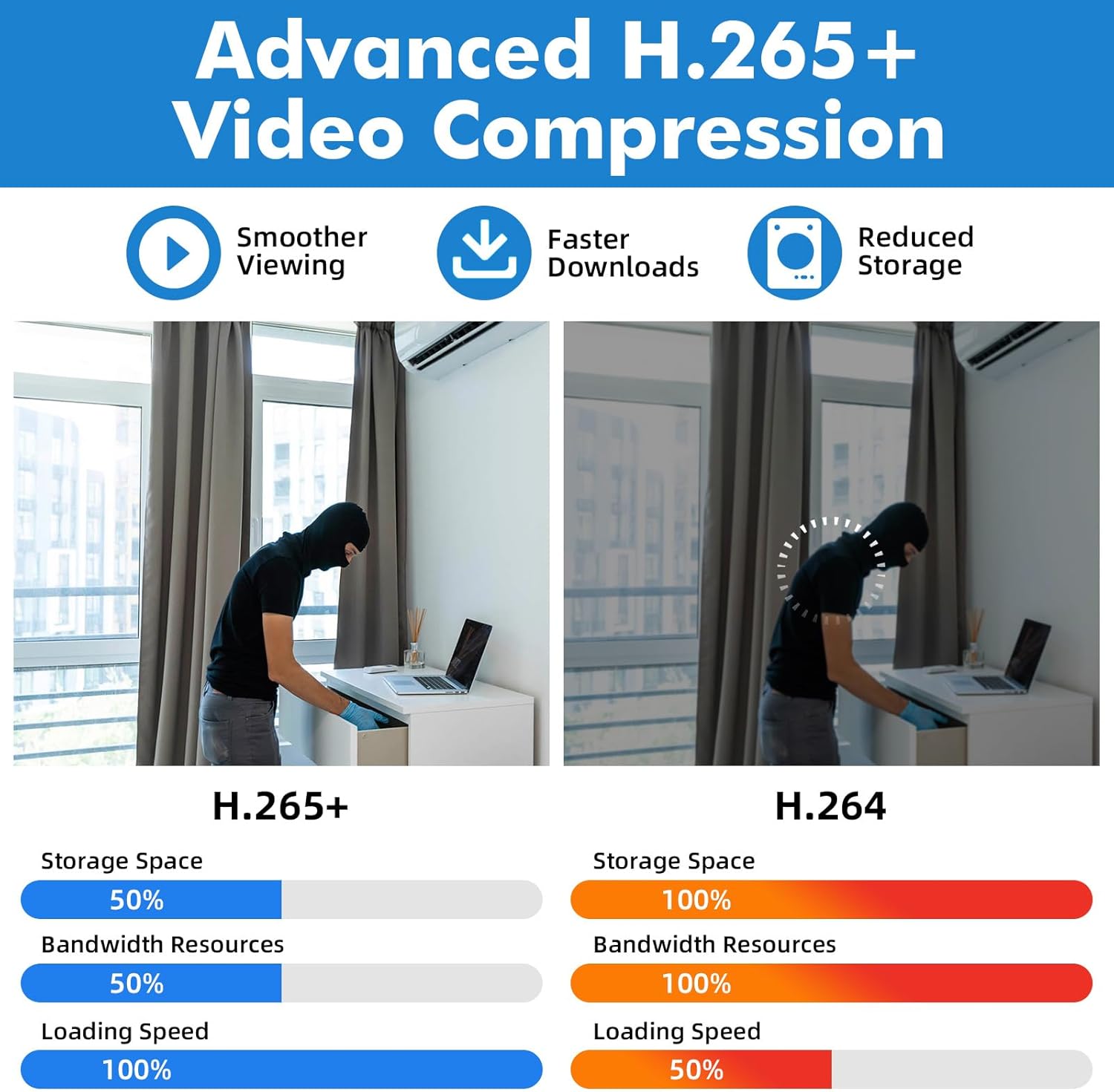
Figure 4.4: DIY Motion Detection. This image demonstrates how users can define specific motion detection zones to minimize false alarms and focus on critical areas.
4.5 Internet-Free Operation
The DVR system can function for local recording and viewing even without an internet connection. Internet access is only required for remote viewing, app notifications, and email alerts.

Figure 4.5: No Monthly Fee, DVR Work Even without Internet. This image highlights the DVR's capability to operate locally without an internet connection, ensuring continuous recording and viewing without recurring fees.
5. Tiaki
5.1 Whakahaere Puku Maama
The pre-installed 500GB Hard Disk Drive (HDD) automatically overwrites older recordings with new ones once its storage capacity is full. This ensures continuous recording without manual intervention. The DVR supports expandable storage up to 14TB, though a higher power supply may be required for larger drives.

Figure 5.1: Pre-installed 500G HDD. This image illustrates the DVR's pre-installed 500GB hard drive and its capability to expand storage up to 14TB for extended recording.
6. Te Raru
If you encounter any issues with your DVR security camera system, please refer to the following common solutions or contact customer support.
6.1 Camera Compatibility Issues
Ensure your cameras are compatible with the DVR's specifications. The DVR supports the following parameters:
- Default 5M-N: Supports 8* 5MN@12fps (6-in-1) cameras with frame rates not exceeding 12fps and resolutions not exceeding 5MN.
- 4MN: Supports 8* 4MN@15fps (6-in-1) cameras with frame rates not exceeding 15fps and resolutions not exceeding 4MN.
- 1080P: Supports 8* 1080P@15fps (XVI) cameras with frame rates not exceeding 15fps and resolutions not exceeding 1080P.
If your camera does not display video, verify its resolution and frame rate against these specifications.
6.2 Kaore he Putanga Ataata
- Check all cable connections (HDMI/VGA, camera BNC, power).
- Me mohio kei te whakahikohia te kaitirotiro me te tautuhi ki te puna whakauru tika.
- Verify that the DVR is powered on (check power indicator lights).
6.3 Ngā Take Uru Mamao
- Confirm the DVR is connected to your router via an Ethernet cable and has internet access.
- Me whakarite kei tō waea atamai he hononga ipurangi pumau.
- Re-scan the DVR's QR code in the iCSee app to re-establish the connection.
- Check your router settings for any firewall or port forwarding configurations that might block the connection.
7. Whakatakotoranga
| Āhuahira | Whakatakotoranga |
|---|---|
| Waitohu | Puhipuhi |
| Tau tauira | 768904900771 |
| Hangarau Hononga | HDMI, USB, VGA |
| Pūrere Hototahi | Camera, Smartphone, Tablet, Desktop |
| Rahi Hua (L x W x H) | 8.26" x 8.26" x 1.57" |
| Te Rokiroki Mahara | 500 GB |
| Hard-Drive Size | 500 GB |
| Te maha o nga hongere | 8 |
| Ataata Mamati Hōputu Pāpāho | HDD |
| Tauranga USB katoa | 2 |
| Whakauru Ataata | BNC |
8. Pūtāhui me te Tautoko
For any quality problems, installation assistance, or connection issues, please contact Fuers customer support. Refer to your purchase documentation for specific warranty details and contact information.