
Kupu Whakataki
This manual provides detailed instructions for the safe and effective use of your Cuifati 17-Piece Ratchet Socket Wrench Set. Please read this manual thoroughly before operating the tool set and retain it for future reference. Proper understanding and adherence to these instructions will ensure optimal performance and longevity of your product.
Ka mutu te huaview
The Cuifati 17-Piece Ratchet Socket Wrench Set is designed for various repair and assembly tasks. It features a pass-through ratchet design, allowing it to work efficiently with long threaded rods. The set includes a 72-tooth ratchet, multiple 12-point spline sockets, and essential adapters and extensions, all crafted from durable CRV steel.

Figure 1: Complete Cuifati 17-Piece Ratchet Socket Wrench Set in its storage case.
Nga Waahanga kei roto:
- 1 x 72-Tooth Pass-Through Ratchet Wrench (19mm)
- 13 x 12-Point Spline Sockets (10mm, 11mm, 12mm, 13mm, 14mm, 15mm, 16mm, 17mm, 18mm, 19mm, 21mm, 22mm, 24mm)
- 1 x Pae Toronga
- 1 x 1/2" Drive Adapter
- 1 x 3/8" Drive Adapter
- 1 x Plastic Storage Box
Nga waahanga matua
- Through Design: This innovative design allows threaded rods to pass completely through the socket and ratchet, enabling access to fasteners on long bolts where traditional deep sockets cannot reach.
- Multifunctional 12-Point Spline Sockets: The dedicated metric spline socket design is compatible with various fastener types, including star, square, hexagonal, and some round fasteners, offering versatility. Each socket is clearly marked for easy identification.
- 72-Tooth Ratchet Mechanism: The 72-tooth bidirectional gear requires only 5 degrees of swing arc for operation, making it ideal for tight spaces. The direction switch allows for easy toggling between tightening and loosening.
- Durable CRV Steel Construction: All components are manufactured from heat-treated Chrome Vanadium (CRV) steel, ensuring high strength, durability, and long-lasting performance even in demanding environments.
- Kakau Ergonomic: The ratchet wrench features an ergonomically designed handle for a secure and comfortable grip, reducing slippage and enabling precise control during use.

Figure 2: Pass-through design in action, allowing a long threaded rod to pass through the socket.
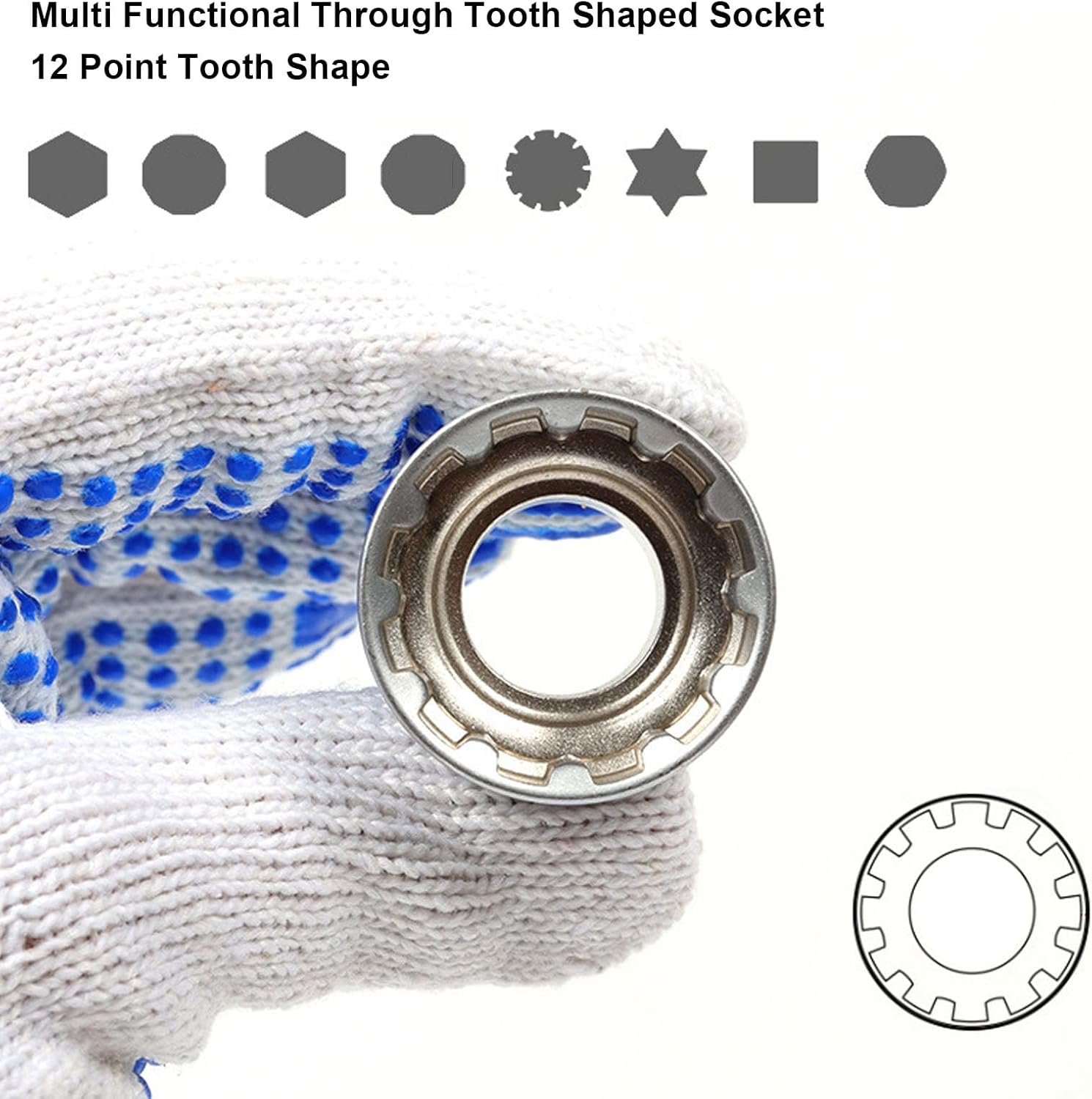
Figure 3: Multi-functional 12-point spline socket compatible with various fastener shapes.

Figure 4: Ergonomic handle design for comfortable and secure grip.
Tatūnga
- Wewete ana: Carefully remove all components from the plastic storage box. Inspect each piece for any signs of damage.
- Tautuhi Wae: Familiarize yourself with each component using the 'Product Overview' section. Ensure all 17 pieces are present.
- Te taapiri i nga turanga: To attach a socket, align the square drive of the socket with the drive pin on the ratchet wrench. Push the socket firmly onto the ratchet until it clicks into place.
- Te whakamahi i nga urutau: The 1/2" and 3/8" drive adapters allow the pass-through ratchet to be used with standard square drive bits or sockets. Simply attach the adapter to the ratchet, then attach the desired bit/socket to the adapter.
- Attaching Extension Bar: The extension bar can be attached between the ratchet and a socket to reach fasteners in recessed areas.

Figure 5: Using an adapter to convert the pass-through socket for smaller drive sizes.
Nga Tohutohu Whakahaere
- Te Kōwhiri i te Pūnaha Tika: Choose the socket that precisely fits the fastener you intend to work with. Using an incorrect size can damage both the fastener and the tool.
- Te tāpiri i te Hononga: Securely attach the selected socket to the ratchet wrench or extension bar.
- Setting Ratchet Direction: Use the small lever or switch on the ratchet head to select the desired direction (tighten or loosen). Ensure it is fully engaged.
- Positioning the Tool: Place the socket firmly onto the fastener. For pass-through applications, ensure the threaded rod passes cleanly through the socket and ratchet head.
- Whakamahi i te Kaha: Apply steady, controlled force to the handle. Avoid sudden jerks or excessive force, which can damage the tool or fastener. For stubborn fasteners, apply penetrating oil and allow it to work before attempting to loosen.
- Removing the Tool: Once the task is complete, remove the tool from the fastener. Detach the socket from the ratchet by pulling it off.
Whakatupato Haumaru:
- Me mau tonu ngā taputapu tiaki whaiaro e tika ana, pērā i ngā mōhiti haumaru, ina whakamahi ana i ngā taputapu ā-ringa.
- Do not use the ratchet wrench as a hammer or pry bar.
- Do not extend the handle with a pipe or other leverage device, as this can overload the tool and cause damage or injury.
- Keep tools clean and free of grease or oil to ensure a secure grip.
- Store tools in their case when not in use to prevent loss and damage.
Te tiaki
- Te horoi: I muri i ia whakamahinga, murua ngā wāhanga katoa ki tētahi kakahu ma, maroke hei tango i te paru, te hinu, me ngā para. Mō te paru uaua, ka taea te whakamahi i tētahi wai tango hinu ngawari, ā, muri iho ka whakamaroke pai.
- Whakahinuhinu: Pania he hinu iti ki te mīhini ratchet i ia wā, i ia wā, kia maeneene ai te mahi. Kaua e whakahinuhinu rawa.
- Rokiroki: Store the entire set in its original plastic case in a dry, clean environment. This protects the tools from rust, damage, and keeps them organized.
- Tirotiro: Regularly inspect the tools for any signs of wear, cracks, or damage. Discontinue use of any damaged tool and replace it if necessary.
Raparongoā
- Kāore te Tikanga Ratchet e Whakauru:
- Ensure the direction switch is fully engaged in either the tightening or loosening position.
- Check for debris or excessive grime within the ratchet head. Clean and lubricate if necessary. - Socket Slipping on Fastener:
- Verify that the correct size socket is being used. A loose fit will cause slipping.
- Ensure the socket is fully seated on the fastener.
- Inspect the socket for wear or damage to its internal splines. Replace if worn. - Socket Stuck on Ratchet:
- Apply a small amount of penetrating oil around the connection point and gently twist and pull. Avoid excessive force. - Difficulty Loosening a Fastener:
- Ensure the ratchet direction is set to 'loosen'.
- Apply penetrating oil to the fastener and allow time for it to work.
- Use steady, increasing pressure. If the fastener is extremely tight, consider professional assistance or specialized tools.
Whakatakotoranga
| Āhuahira | Whakatakotoranga |
|---|---|
| Momo Tuemi | 17-Piece Ratchet Socket Wrench Set |
| Rauemi | CRV Steel (Chrome Vanadium Steel) |
| Momo Ratchet | 72-Tooth Bidirectional Pass-Through Ratchet (19mm) |
| Momo Taarua | 12-Point Spline Sockets |
| Rahi turanga | 10mm, 11mm, 12mm, 13mm, 14mm, 15mm, 16mm, 17mm, 18mm, 19mm, 21mm, 22mm, 24mm |
| Kei roto nga urutau | 1/2" Drive Adapter, 3/8" Drive Adapter |
| Toronga Toronga | 1 whakauru |
| Taumaha | Approx. 1450g (51.15 oz) |
| Tau tauira | Cuifatiq4us8do0iw |
Pūtāhui me te Tautoko
Information regarding specific warranty terms for this product is not available in the provided details. For any warranty claims, technical support, or inquiries about replacement parts, please contact the seller or manufacturer directly through your purchase platform. Retain your proof of purchase for any support requests.