1. Kupu Whakataki
The Sekonic L-358 Flash Master is a digital light meter designed for accurate flash and ambient light readings in both incident and reflected modes. It provides essential exposure information for photographers to achieve precise lighting control and consistent results. This manual outlines the setup, operation, and maintenance of your L-358 meter.

Image 1.1: The Sekonic L-358 Flash Master Light Meter. This image displays the meter's main body with its Lumisphere, LCD screen, and control buttons, providing an overview o te taputapu.
2. Tatūnga
2.1. Tāuta Pūhiko
The L-358 requires one CR123A Lithium battery for operation. To install the battery:
- Kimihia te uhi o te wahanga pākahiko kei muri o te mita.
- Kiriatahia te uhi hei whakatuwhera i te wahanga.
- Insert one CR123A battery, ensuring correct polarity as indicated inside the compartment.
- Katia kia mau te uhi o te wahanga pākahiko.

Whakaahua 2.1: Whakamuri view of the Sekonic L-358 with the battery compartment open. This image shows the location for battery insertion and the DIP switches for custom settings.
2.2. Custom Functions (DIP Switches)
The meter features DIP switches for custom function settings, located within the battery compartment. These switches allow configuration of various operational parameters, such as shutter speed and aperture readout intervals (full, half, or third-stop). Refer to the markings next to the switches for specific configurations.
2.3. Optional Radio Flash Triggering
The Sekonic RT-32 Transmitter Module (sold separately) can be installed into the battery compartment for wireless flash triggering. This module supports 32 digital coded channels and Quad-Triggering Zones, compatible with PocketWizard® radio triggering systems. Installation involves inserting the module into the designated slot within the battery compartment.

Image 2.2: Packaging for the Sekonic Radio Transmitter Module. This image shows the box for the optional RT-32 module, which enables wireless flash triggering with the L-358.
3. Nga Tohutohu Whakahaere
3.1. Mana Whanui
The L-358 features a Jog Wheel for settings adjustment and a large LCD for clear readout. Buttons for Power, AVE./ΔEV, ISO 1, ISO 2, Mode, and Memory are provided for various functions. Familiarize yourself with these controls for efficient operation.

Whakaahua 3.1: Mua view of the Sekonic L-358. This image highlights the LCD screen, control buttons (Power, AVE./ΔEV, ISO 1, ISO 2, Mode, Memory), and the Jog Wheel for adjustments.
3.2. Ambient Light Metering
- Maama mai: For incident light readings of three-dimensional subjects, extend the Lumisphere. This measures the light falling on the subject, providing accurate exposure settings that render colors and tones naturally.

Image 3.2: Sekonic L-358 with the Lumisphere extended. This configuration is used for incident light measurements, capturing the light falling onto the subject.
- Reflected Light: For reflected light metering, use the included Lumigrid. The Lumisphere can be retracted to use the flat diffuser for contrast readings or to attach the Lumigrid. This measures light reflected from the subject.
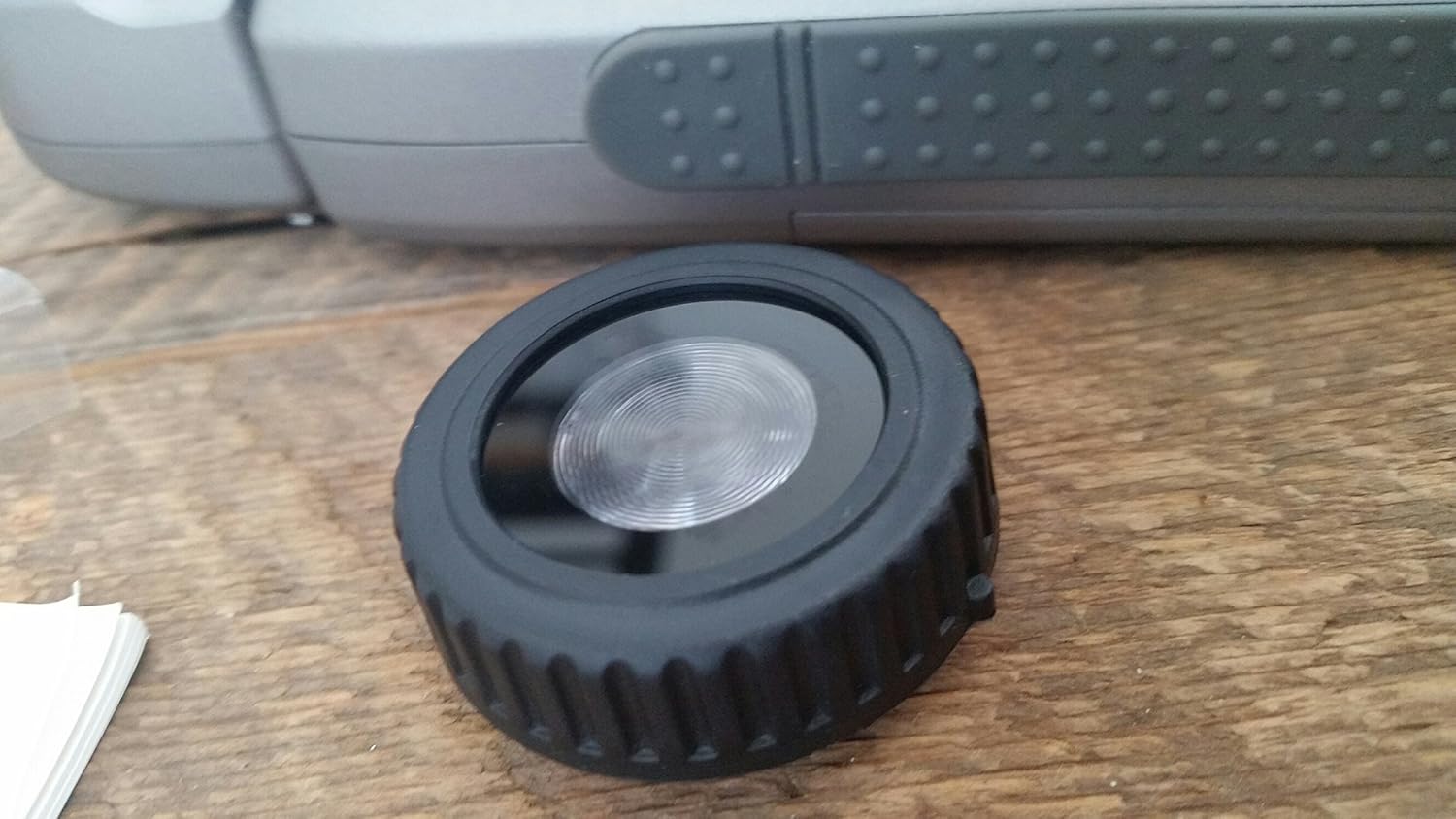
Image 3.3: The Lumigrid attachment for the Sekonic L-358. This accessory is used for reflected light measurements, focusing on light bouncing off the subject.
3.3. Flash Light Metering
The L-358 supports flash metering with a synch cord or cordlessly. In cordless mode, the meter automatically resets after each reading, facilitating quick adjustments to flash brightness. The multi-flash function allows accumulating multiple flash pops to achieve the desired exposure or depth of field.
3.4. Analyzing Function
This function measures ambient and flash light simultaneously, indicating the percentage of flash in the total exposure. This is particularly useful for balancing mixed lighting scenarios. Adjust the ambient-flash mix using the Jog Wheel to achieve the desired effect.
3.5. Contrast Function
To set up lighting ratios or check scene evenness, take a reading of a key light or reference area and press the AVE./ΔEV button to establish it as a standard. Subsequent readings will display the brightness difference (in EV) between the current measurement and the established standard.
3.6. Memory and Averaging
The meter can store up to 9 readings in memory. These stored readings can be used for averaging to determine an overall exposure, or for contrast evaluations across different parts of a scene.
3.7. Dual ISO Settings
The two dedicated ISO buttons (ISO 1 and ISO 2) allow for quick switching between two different film speeds or sensor sensitivities. This feature is useful for comparing exposures with different ISO settings or when working with multiple film types.
3.8. Cine Readings
For motion picture applications, the L-358 calculates cine readings, supporting a wide range of frame rates from 2 to 360 frames-per-second. This provides precise exposure control for video production.

Image 3.4: Close-up of the Sekonic L-358 LCD display. This image illustrates how exposure values, ISO, and other settings are presented on the meter's screen during operation.
4. Tiaki
4.1. Tiaki me te Whakahaere
The L-358 is designed to be dust-proof and splash-proof (JIS Standard Water Resistance Class 4), offering protection against light moisture. However, it is important to protect the meter from heavy rain, immersion in water, extreme temperatures, and physical shock to ensure its longevity and accuracy.
4.2. Whakakapinga Pūhiko
Replace the CR123A battery when the low battery indicator appears on the display. Always ensure correct polarity during installation to prevent damage to the meter.
5. Te Raru
5.1. Exposure Out of Range
If the display shows 'Eu' (underexposure) or 'Eo' (overexposure), the light conditions are outside the meter's measurable range. Adjust the lighting conditions or consider alternative camera settings (e.g., ISO, aperture, shutter speed) to bring the measurement within the meter's operational limits.
6. Whakatakotoranga
| Āhuahira | Whakaahuatanga |
|---|---|
| Momo | Digital exposure meter for ambient and flash light |
| Receptor Head | Rotating Domed Head (90° right, 180° left), Retractable Lumisphere |
| Light Receiving Method | Te maramatanga me te marama whakaata |
| Receptor Incident Light | Convertible to flat diffuser |
| Receptor Reflected Light | Lumigrid (54° angle) |
| Light Receptor Element | 2-Silicon photo diodes |
| Measuring Range (ISO 100) Ambient | EV-2 to EV 22.9 (Incident/Reflected) |
| Measuring Range (ISO 100) Flash | f/1.0 to f/90.9 (approx. f/124) |
| Tukurua Tika | +/- 0.1 EV or less |
| Film Speed Range | ISO 3 to 8000 (in 1/3 steps) |
| Shutter Speeds Ambient | 30 min to 1/8000 sec. |
| Shutter Speeds Flash | 30 min to 1/1000 sec. |
| Awhe Awhe | f/1.0 ki te f/90.9 |
| EV Display Range | EV -10.0 to EV 40.0 |
| Cine Speeds (fps) | 2, 3, 4, 6, 8, 12, 16, 18, 24, 25, 30, 32, 36, 40, 48, 50, 60, 64, 72, 96, 120, 128, 150, 200, 240, 256, 300, 360 |
| Mahi Mahara | 9 panui |
| Flash Analyzing Function | 0 to 100% in 10% increments |
| Calibration Compensation | +/- 1.0 EV (in 1/10th steps) |
| Kapeneheihana Whakaaturanga | +/- 9.9 EV (in 1/10 steps) |
| Puna Mana | (1) CR123A Lithium Battery |
| Te Awhe Maama Mahi | 14° ki te 122° F / -10° ki te 50° C |
| Hunga Hua | 1.9 x 3.5 x 6.7 inihi |
| Taumaha Tūemi | 8.5 hekere |
| Tau tauira | 401-358 |
7. He aha kei roto i te Pouaka
The standard Sekonic L-358 Flash Master package typically includes the following items:
- Sekonic L-358 Flash Master Light Meter
- Lumigrid
- Take ngawari
- here
- Synchro Terminal Cap
- Pūhiko CR123A

Image 7.1: Contents of the Sekonic L-358 package. This image shows the light meter, operating manual, soft case, strap, and other accessories included with the product.
8. Pūtāhui me te Tautoko
The Sekonic L-358 Flash Master includes a 3-year warranty, covering parts and labor. For detailed warranty information, technical assistance, or customer support, please refer to the official Sekonic webpaetukutuku, whakapā atu ranei ki o raatau pokapū ratonga whai mana.


