1. Kupu Whakataki
This manual provides essential information for the safe and efficient installation, operation, and maintenance of your WAYNE WLS200 2 HP Cast Iron High Volume Lawn Sprinkling Pump. The WLS200 is designed for various high-volume water transfer applications, including operating underground sprinkling systems, drawing water from wells, lakes, or ponds for watering, and pool filling. It features a durable cast iron volute and corrosion-resistant thermoplastic components for long-lasting performance.

Image 1.1: The WAYNE WLS200 2 HP Cast Iron Lawn Sprinkling Pump.
2. Nga korero haumaru
Read and understand all safety warnings and instructions before installing or operating this pump. Failure to follow these instructions can result in serious injury or property damage.
Whakatupato Haumaru Whānui:
- Me momotu te hiko i mua i te mahi tiaki i te papu.
- Me whakarite kia tika te turanga o te papu kia kore ai e ru te hiko.
- Do not operate the pump in explosive atmospheres or near flammable liquids.
- Me mau ngā taputapu tiaki whaiaro (PPE) e tika ana i te wā e tāuta ana, e tiaki ana hoki.
- Tiakina nga tamariki me nga kararehe mai i te papu i te wa e mahi ana.
Haumaru Hiko:
- The pump is factory set to 230V. Ensure your power supply matches this requirement.
- Me tutuki ngā waea hiko katoa i ngā ture me ngā whakaritenga ā-rohe.
- Use a dedicated circuit with appropriate overcurrent protection.
- Kaua rawa e whakahaere i te papu mēnā kua pakaru te taura hiko, te mono rānei.
Haumaru wai:
- Do not pump flammable or corrosive liquids.
- Ensure adequate ventilation if operating in an enclosed space.
- Āraia te papu mai i te hukapapa nui hei ārai i te kino.
3. Nga Wae Matua
The WAYNE WLS200 pump consists of several key parts that work together to provide efficient water transfer:
- Motini: The 2 HP electric motor provides the power to drive the impeller.
- Puta: A heavy-duty cast iron casing that houses the impeller and directs water flow.
- Kaipupuri: A rotating component that draws water into the pump and forces it out. Made from corrosion-resistant, reinforced thermoplastic.
- Diffuser/Infuser: Works with the impeller to convert velocity energy into pressure. Made from corrosion-resistant, reinforced thermoplastic.
- Tauranga Momi: 2-inch NPT inlet for drawing water into the pump.
- Tauranga Tukunga: 1-1/2-inch NPT outlet for expelling water from the pump.
4. Tatūnga me te Tāuta
He mea nui te whakaurunga tika mo te mahi o te papu me te roa o te oranga. A pee i enei taahiraa.
4.1 Kōwhiringa Pae
- Choose a level, stable surface for the pump.
- Protect the pump from direct weather exposure (rain, snow, direct sunlight).
- Me whakarite kia pai te hau huri noa i te motuka.
- Position the pump as close as possible to the water source to minimize suction lift.
4.2 Hononga Paipa
- Raina Momo: Connect a 2-inch NPT pipe to the suction port. Use rigid piping to prevent collapse under vacuum. Ensure all connections are airtight to prevent air leaks, which can cause the pump to lose prime.
- Raina Tukunga: Connect a 1-1/2-inch NPT pipe to the discharge port. A check valve may be installed in the discharge line to prevent backflow, especially in systems with significant elevation changes.
- Waewae Waewae/Rangi: Install a foot valve with a strainer at the end of the suction line in the water source to prevent debris from entering the pump and to maintain prime.

Whakaahua 4.1: Example installation of the WAYNE WLS200 pump with PVC piping connections.
4.3 Hononga Hiko
- The WLS200 pump requires a 230-volt power supply.
- Consult a qualified electrician for all electrical wiring to ensure compliance with local codes and safety standards.
- Ensure the circuit is properly sized for the pump's 2 HP motor and includes appropriate overcurrent protection.
4.4 Te Whakapai i te Puma
Before initial operation or after the pump has run dry, it must be primed:
- Remove the priming plug located on the top of the pump volute.
- Fill the volute completely with water until it overflows.
- Whakakapia te mono whakapūmau, ka whakamātau anō hoki.
- Ensure the suction line is submerged in the water source.
- Open any valves in the discharge line.
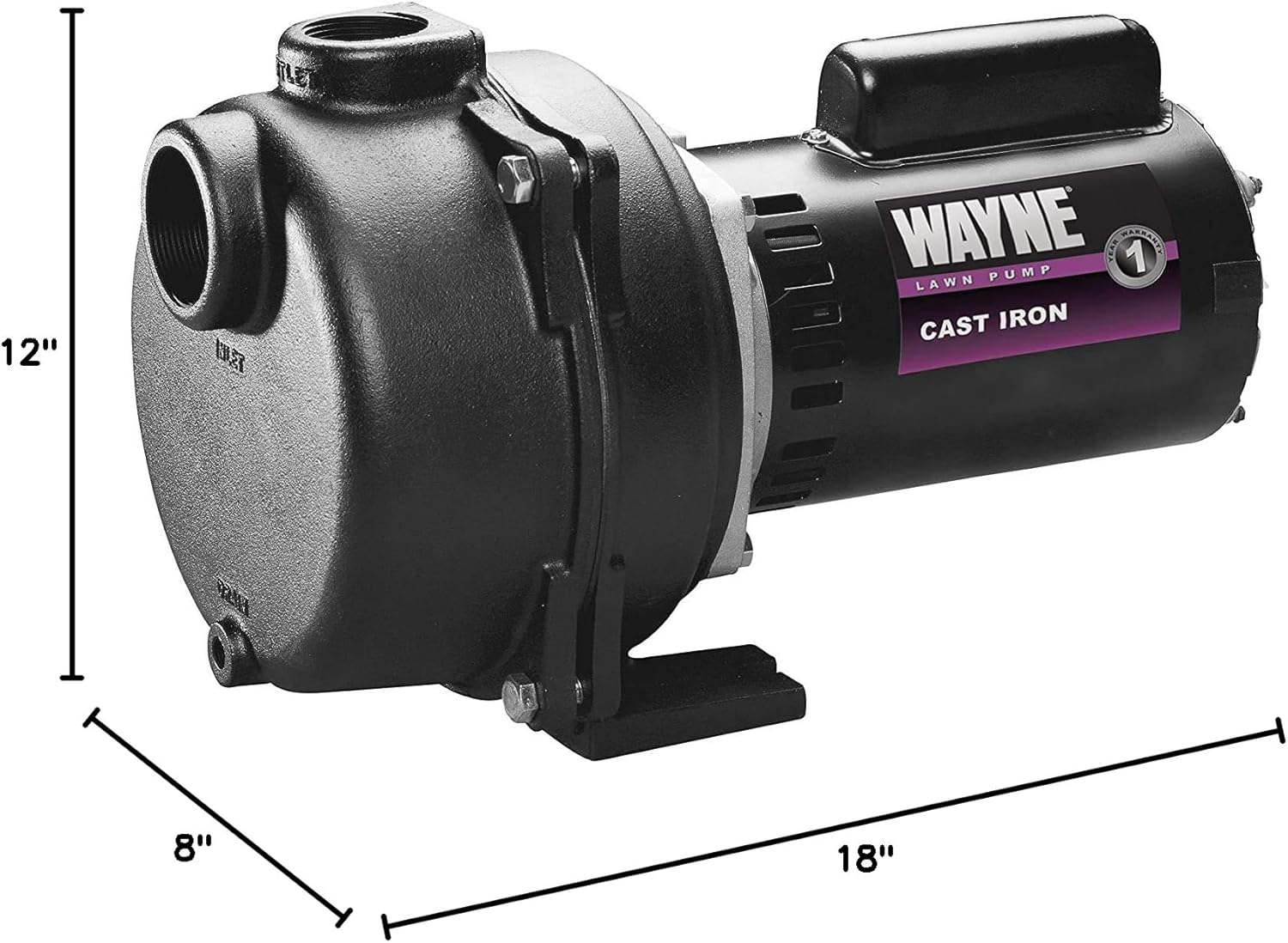
Image 4.2: Dimensions of the WAYNE WLS200 pump, useful for planning installation space.
5. Nga Tohutohu Whakahaere
Once the pump is installed and primed, it is ready for operation.
5.1 Timata te Pump
- Ensure the pump is properly primed and all connections are secure.
- Verify that the suction line is fully submerged in the water source.
- Turn on the electrical power to the pump. The pump should start immediately.
- Monitor the discharge flow to confirm proper operation.
5.2 Mahi Tonu
- Kaua e tukua kia maroke te papu, nā te mea ka kino rawa atu te hiri miihini me ētahi atu wāhanga.
- Regularly check for unusual noises or vibrations, which may indicate a problem.
- Ensure the water source remains adequate throughout the pumping cycle.
5.3 Whakaweto i te Puma
- Whakawetohia te mana hiko ki te papu.
- If the pump will not be used for an extended period, especially in freezing conditions, proceed with winterization steps (see Section 6.2).
6. Tiaki
Ko te tiaki i nga wa katoa ka tino pai te mahi me te whakaroa i te ora o to papu.
6.1 Nga Tirohanga Mahi
- Tirotiro Hononga: Periodically check all plumbing and electrical connections for leaks or damage.
- Clean Strainer: If a foot valve with a strainer is used, clean it regularly to prevent clogging and maintain flow.
- Whakahau Motini: Ensure the motor's cooling fins are free from dirt and debris to prevent overheating.
6.2 Te whakatotoke
If the pump is exposed to freezing temperatures, it must be properly winterized to prevent damage:
- Momotuhia te mana ki te papu.
- Ringihia te wai katoa mai i te papu casing by removing the drain plug (if present) or by disconnecting the suction and discharge lines.
- Remove the priming plug and ensure all water is drained.
- Store the pump in a warm, dry location, or ensure it is completely drained and protected from freezing.
7. Te Raru
This section addresses common issues you might encounter with your WAYNE WLS200 pump.
| Raruraru | Take pea | Rongoā |
|---|---|---|
| Kaore e timata te papu | No power; tripped circuit breaker; faulty wiring; motor issue. | Check power supply; reset breaker; inspect wiring (qualified electrician); contact service. |
| Ka rere te papu engari karekau he wai e rere | Pump not primed; air leak in suction line; clogged suction line/strainer; water source too low. | Re-prime the pump; check all suction connections for leaks; clean strainer; ensure adequate water level. |
| Te rere iti, te pehanga ranei | Partially clogged suction/discharge; air leak; worn impeller; incorrect pipe sizing. | Inspect and clear clogs; check for air leaks; inspect impeller for wear; verify pipe diameters. |
| Te haruru nui, te wiri ranei | Air in pump; cavitation; loose mounting; foreign object in volute; worn bearings. | Re-prime; ensure adequate water supply; tighten mounting bolts; inspect volute; contact service for bearings. |
| Nga turuturu papu | Loose connections; damaged seals; cracked casing. | Tighten connections; replace seals; inspect casing for damage. |
8. Whakatakotoranga
Technical details for the WAYNE WLS200 2 HP Cast Iron Lawn Sprinkling Pump:
- Tauira: WLS200
- Wheehau: 2 HP
- Voltage: 230 Volts
- Rauemi: Cast Iron (Volute), Reinforced Thermoplastic (Impeller, Infuser)
- Tauranga Momi: 2-inihi NPT
- Tauranga Tukunga: 1-1/2-inch NPT
- Rere Rere Morahi: Up to 4,200 Gallons Per Hour (GPH)
- Teitei Hikinga Morahi: 100 Puawai
- Rahi Hua: 18"L x 8"W x 12"H
- Taumaha Tūemi: 60 Pauna
- Puna Hiko: Hiko Hiko
- Kaihanga: Wayne
- UPC: 040066204851
9. Pūtāhui me te Tautoko
9.1 Nga Korero Whakaputanga
The WAYNE WLS200 pump is covered by a 1-year limited warranty from the date of purchase, covering defects in materials and workmanship. Please retain your proof of purchase for warranty claims. For full warranty terms and conditions, refer to the documentation included with your product or visit the official Wayne webpae.
9.2 Tautoko Kiritaki
If you have questions about installation, operation, maintenance, or require technical assistance, please contact Wayne customer service. You can find contact information on the official Wayne webte waahi, kei roto ranei i nga taonga kapi.


