1. Kupu Whakataki
This manual provides essential information for the safe and efficient installation, operation, and maintenance of your Pentair 263038 1-1/2-Inch 2-Way PVC Diverter Valve. This valve is designed for diverting, shut-off, or mixing applications in various plumbing systems, particularly in pool and spa environments. Please read these instructions thoroughly before installation and use.
2. Nga korero haumaru
WHAKATŪPATO: Always disconnect power to pumps and other equipment before working on any plumbing system. Failure to do so may result in serious injury or death.
TUpato: This valve is designed for specific applications. Ensure it is compatible with your system's pressure and chemical requirements. Maximum pressure rating is 150 PSI.
- Me mau ngā taputapu tiaki whaiaro (PPE) e tika ana i te wā e tāuta ana, e tiaki ana hoki.
- Me whakarite kia hiritia pai ngā hononga katoa kia kore ai e turuturu.
- Do not overtighten fittings, as this can damage the valve body.
- Kaua e taea e nga tamariki.
3. Hua Neke Atuview
The Pentair 263038 is a robust 1-1/2-inch 2-way diverter valve constructed from durable PVC or CPVC material. It features a high flow rate design and a fiberglass-reinforced handle for reliable operation. The valve is equipped with a maintenance-free Teflon coated diverter seal, ensuring optimum positive sealing and longevity.
Āhuatanga matua:
- Available in PVC or CPVC construction.
- Maintenance-free Teflon coated diverter seal for reliable performance.
- Optimum positive-seal mechanism.
- Designed for high flow rate applications.
- Features a fiberglass reinforced handle for durability.
- Withstands pressure up to 150 PSI.
- Chemical-resistant for various applications.
- Field-adjustable stop positions for precise control.
- Can be plumbed with the inlet at any port.
Tautuhi Wae:


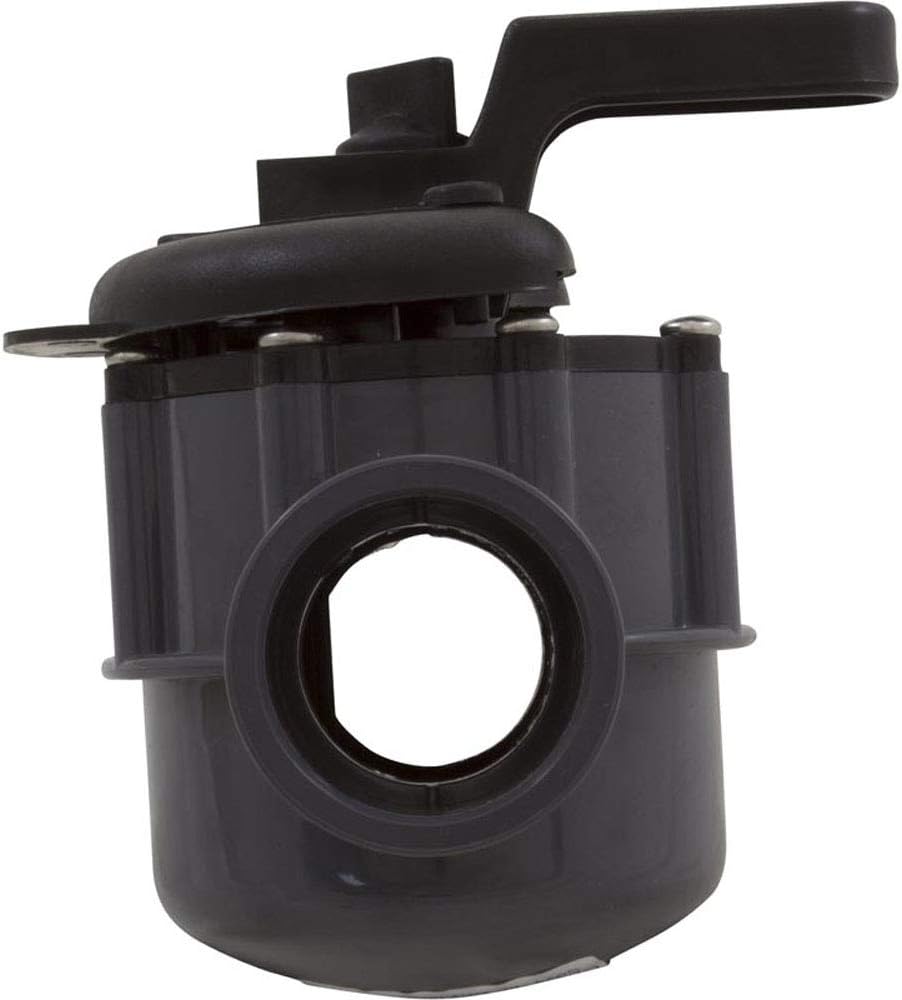
4. Tatūnga me te Tāuta
Proper installation is crucial for the optimal performance and longevity of your diverter valve. This valve is designed for 1-1/2-inch plumbing connections.
4.1 Rārangi Arowhai i mua i te Tāutatanga:
- Verify that the valve material (PVC or CPVC) is compatible with your existing plumbing and the chemicals used in your system.
- Ensure you have all necessary tools and materials, including PVC/CPVC cement, primer, measuring tape, and pipe cutters.
- Confirm that the installation location allows for easy access to the valve handle for operation and future maintenance.
4.2 Nga Waahi Whakataunga:
- Plan Plumbing Layout: Determine the desired flow path for diverting, mixing, or shut-off applications. The valve can be plumbed with the inlet at any port.
- Whakaritea nga Paipa: Cut the existing or new pipes to the correct length, ensuring clean, straight cuts. Deburr the edges of the pipes.
- Pai maroke: Temporarily fit the valve and pipes together without cement to ensure proper alignment and fit. Mark the pipes and valve for correct orientation.
- Apply Primer and Cement: Apply PVC/CPVC primer to both the outside of the pipe and the inside of the valve port. Follow immediately with a generous, even coat of PVC/CPVC cement to both surfaces.
- Join Connections: Quickly insert the pipe into the valve port with a quarter-turn twist until it bottoms out. Hold firmly for 30 seconds to allow the cement to set.
- Repeat for all Ports: Connect all necessary pipes to the valve ports using the same priming and cementing procedure.
- Wā Whakaora: Allow adequate cure time for the cement as recommended by the cement manufacturer before pressurizing the system.
- Adjust Stop Positions (Optional): The valve features field-adjustable stop positions. If specific flow limits are required, consult the markings on the valve top and adjust the internal stops as needed using a screwdriver.
Tuhipoka: For detailed instructions on solvent welding, refer to the specific PVC/CPVC cement manufacturer's guidelines.
5. Nga Tohutohu Whakahaere
The Pentair 263038 diverter valve allows for easy control of water flow. The fiberglass-reinforced handle is used to select the desired flow path.
5.1 Understanding Valve Positions:
The top of the valve features markings and a rotating handle. The handle's position indicates the active flow path. Common positions include:
- Diverting: Directs water from one inlet to one of two outlets, or from two inlets to one outlet.
- Whakaweto: Completely stops flow through the valve. This is typically indicated by an "OFF" marking on the valve body.
- Whakaranu: Combines flow from two inlets into a single outlet.
Rotate the handle to align with the desired port or function indicated on the valve body. The field-adjustable stops can be set to limit the handle's rotation to specific positions if needed.
5.2 Mahi Whanui:
- Ensure the system is not under excessive pressure before adjusting the valve, especially if making significant changes to flow.
- Grasp the fiberglass-reinforced handle firmly.
- Rotate the handle to the desired position. The handle should move smoothly.
- Verify the flow change in your system.
Tuhipoka: If the handle feels stiff, do not force it. Refer to the Maintenance section for lubrication or inspection.
6. Tiaki
The Pentair 263038 diverter valve is designed for minimal maintenance due to its maintenance-free Teflon coated diverter seal. However, periodic inspection and occasional servicing can extend its lifespan.
6.1 Routine Inspection:
- Periodically check for any signs of leaks around the valve body or connections.
- Inspect the handle for any damage or excessive wear.
- Ensure the handle rotates smoothly between positions.
6.2 Servicing (If Required):
While the Teflon seal is maintenance-free, if the valve becomes stiff to operate or develops a leak from the stem, it may be serviceable. The valve can typically be disassembled by removing the screws on the top cover. This allows access to the diverter and seals for cleaning or replacement if necessary. Use only manufacturer-approved lubricants for O-rings and seals if reassembly is performed.
TUpato: Disassemble the valve only if you are comfortable with plumbing repairs. Ensure the system is depressurized and drained before attempting any servicing.
7. Te Raru
This section addresses common issues you might encounter with your diverter valve.
| Raruraru | Take pea | Rongoā |
|---|---|---|
| Ngā turuturu o te takirere i ngā hononga | Improper solvent welding; cracked pipe or fitting. | Ensure proper application of primer and cement during installation. If leaking persists, the connection may need to be cut out and re-plumbed. |
| Valve Leaks from Handle/Stem Area | Worn or damaged internal seals (O-rings). | The valve may require disassembly to inspect and replace internal seals. Contact a qualified technician if unsure. |
| Handle is Stiff or Hard to Turn | Accumulation of debris; lack of lubrication on internal seals; overtightened components. | Disassemble the valve (if comfortable) to clean out debris and apply a silicone-based lubricant to the diverter and O-rings. Ensure screws are tightened appropriately, not excessively. |
| Incomplete Flow Diversion | Handle not fully seated in position; internal debris obstructing flow. | Ensure the handle is rotated completely to the desired stop position. If the issue persists, inspect the internal mechanism for obstructions. |
8. Whakatakotoranga
Detailed technical specifications for the Pentair 263038 1-1/2-Inch 2-Way PVC Diverter Valve.
| Huanga | Taipitopito |
|---|---|
| Tau tauira | 263038 |
| Waitohu | Pentair |
| Rauemi | PVC or CPVC |
| Whakaoti o waho | PVC or CPVC |
| Te maha o nga Tauranga | 2 |
| Rahi Hononga Whakauru | 1.5 Inihi |
| Rahi Hononga Putanga | 1.5 Inihi |
| Pehenga Morahi | 150 PSI |
| Rahi Tūemi (L x W x H) | 7 x 7 x 6 inihi |
| Taumaha Tūemi | 1.5 pauna |
| Kaihanga | PENTAIR WATER PŪRAKA ME TE WHARE WĀHI, IN |
| UPC | 788379644352, 797267286857, 718472683019, 797267790163 |
9. Pūtāhui me te Tautoko
For specific warranty information regarding your Pentair 263038 diverter valve, please refer to the documentation included with your purchase or visit the official Pentair webpae. He rereke nga tikanga me nga tikanga whakamana.
For technical support, replacement parts, or further assistance, please contact Pentair customer service directly. Contact information can typically be found on the Pentair webpae, i runga ranei i to putunga hua.
Pentair Official Webpae: www.pentair.com


