1. Hua Neke Atuview
This manual provides instructions and information for the Walker 53887 Exhaust Pipe. This component is designed as a direct-fit replacement for specific vehicle applications, ensuring compatibility and performance similar to original equipment.

Image 1.1: The Walker 53887 Exhaust Pipe, designed for direct replacement.
Āhuatanga matua:
- Hototahi: Specifically designed to fit Scion xB models from 2008 to 2015.
- Corrosion Inhibition: Constructed from durable aluminized-steel to resist corrosion and maintain performance.
- Tāutatanga ngawari: Features precision bends, OE-style routings, hangers, and connectors for straightforward installation.
- OE-Style Performance: Engineered for a precise fit and performance comparable to original equipment.
- Kounga Rawa: Made from high-quality materials for durability and extended service life.

Image 1.2: Illustration of various exhaust components highlighting the use of premium materials for durability.
2. Tāuta (Tatūnga)
Proper installation of the Walker 53887 Exhaust Pipe is crucial for optimal performance and longevity. It is highly recommended that installation be performed by a qualified automotive professional.
Ngā Aratohu Tāuta Whānui:
- Whakaritenga Waka: Ensure the vehicle is safely lifted and secured on a hoist or jack stands. Allow the exhaust system to cool completely before beginning work.
- Tautuhi Wae: Verify that the Walker 53887 Exhaust Pipe is the correct part for your vehicle by checking the model number and compatibility information.
- Removal of Old Component: Carefully remove the existing exhaust pipe, paying attention to all hangers, clamps, and fasteners. Use appropriate tools to avoid damage to surrounding components.
- Whakaritenga Mata: Clean any mating surfaces on the existing exhaust system to ensure a proper seal with the new pipe.
- New Pipe Installation: Position the Walker 53887 Exhaust Pipe, aligning it with the existing exhaust components. Secure it using new gaskets, clamps, and fasteners as required. Ensure all connections are tight and leak-free.
- Taki Tirohanga: Verify that the new exhaust pipe is properly aligned and does not interfere with other vehicle components. Ensure adequate clearance from the chassis and suspension.
- Tirohanga Whakamutunga: After installation, start the vehicle and check for any exhaust leaks or unusual noises. Re-tighten fasteners if necessary after a short period of operation.
Whakatupato: Working under a vehicle can be dangerous. Always use proper safety equipment and follow manufacturer guidelines for vehicle lifting and support. Exhaust components can be extremely hot.

Image 2.1: A professional mechanic performing an exhaust system installation, demonstrating the ease of installation with proper tools.

Image 2.2: A diagram illustrating the various components of a typical automotive exhaust system, including manifold converters, oxygen sensor ports, catalytic converters, resonator assemblies, and mufflers.
3. Nga Whakaaro Whakahaere
Once the Walker 53887 Exhaust Pipe is correctly installed, the vehicle's exhaust system should function as intended, providing efficient exhaust gas flow and maintaining appropriate noise levels.
Post-Installation Expectations:
- Mahi Pūnoa: The exhaust pipe is designed to integrate seamlessly with your vehicle's existing exhaust system, contributing to its overall performance and sound characteristics.
- Kakara/Paowa Tuatahi: It is normal to experience a slight burning smell or light smoke during the first few drives after installation. This is typically due to protective coatings on the new pipe burning off and should dissipate quickly.
- Oro: The exhaust sound should be consistent with the vehicle's original equipment. Any significant change in sound may indicate an issue.

Image 3.1: A vehicle in motion, symbolizing the restoration of original equipment performance after installation of the exhaust pipe.
4. Tiaki
Regular inspection and basic maintenance can help extend the life of your Walker 53887 Exhaust Pipe and the entire exhaust system.
Taunakitanga Tiaki:
- Tirohanga Ia Wa: Routinely inspect the exhaust system for signs of rust, cracks, loose connections, or damage. Pay close attention to welds, hangers, and clamps.
- Tirohia mo nga turuturu: Listen for hissing or puffing sounds, which may indicate an exhaust leak. Leaks can also be identified by black soot around joints or cracks.
- Secure Hangers and Clamps: Ensure all exhaust hangers and clamps are securely fastened. Loose components can lead to excessive vibration and premature wear.
- Avoid Road Hazards: Drive carefully to avoid impacts with road debris, speed bumps, or uneven surfaces that could damage the exhaust system.
- Nga Tirohanga Ngaio: Include exhaust system inspection as part of your vehicle's regular service appointments.
5. Te Raru
If you experience issues with your exhaust system after installing the Walker 53887 Exhaust Pipe, consider the following common problems and potential solutions.
Nga take noa:
- Haruru nui:
- Te take pea: Loose connections, exhaust leak, damaged muffler or resonator, or a broken hanger.
- Rongoā: Inspect all connections for tightness. Check for visible leaks (soot marks). Ensure all hangers are intact and supporting the system correctly.
- Paorooro, Wiri ranei:
- Te take pea: Loose exhaust components, broken hangers, or contact with the vehicle's chassis.
- Rongoā: Check all mounting points and hangers. Ensure the exhaust pipe has adequate clearance from the vehicle's undercarriage.
- Exhaust Fumes in Cabin:
- Te take pea: Significant exhaust leak, especially near the engine or passenger compartment.
- Rongoā: Immediately investigate and repair any exhaust leaks. This is a serious safety concern due to carbon monoxide.
- Reduced Engine Performance or Fuel Economy:
- Te take pea: Restricted exhaust flow (e.g., collapsed pipe, internal blockage) or a significant exhaust leak affecting sensor readings.
- Rongoā: Inspect the entire exhaust system for blockages or severe leaks. Professional diagnosis may be required.
Ki te kore e taea e nga mahi rapurongoa te whakatau i te take, me toro atu ki tetahi tohunga hangarau miihini.

Image 5.1: A collection of Walker exhaust system components, emphasizing that using compatible parts together ensures optimal system performance.
6. Whakatakotoranga
The following specifications pertain to the Walker 53887 Exhaust Pipe:
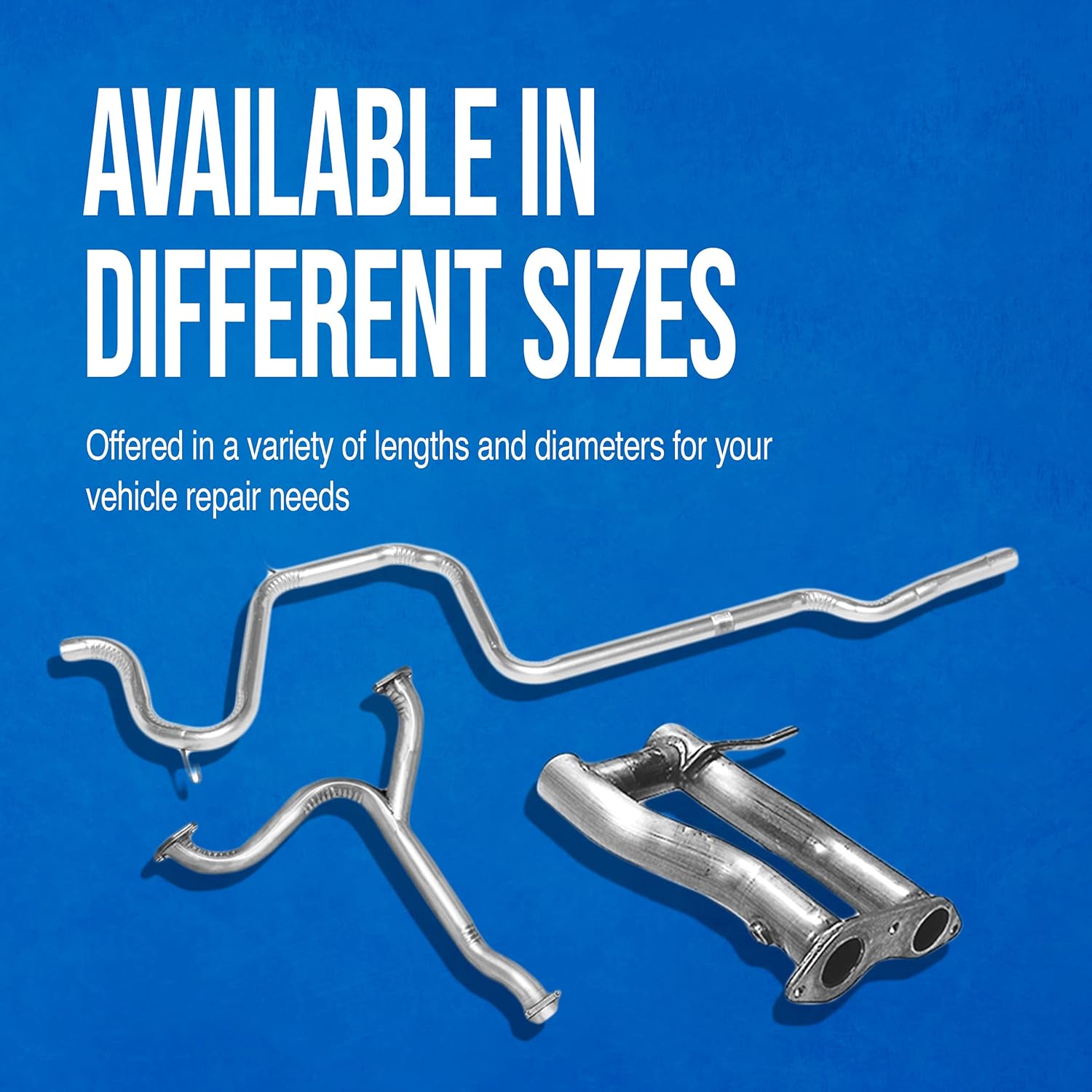
Image 6.1: An assortment of exhaust pipes, illustrating the variety of lengths and diameters available for different vehicle repair needs.
| Whakatakotoranga | Taipitopito |
|---|---|
| Tau tauira | 53887 |
| Waitohu | Waereere |
| Momo Tāuta | Kati-I |
| Rauemi | Alloy Steel (Aluminized Steel) |
| Taumaha Tūemi | 6.3 pauna |
| Hunga Hua | 10 x 30 x 6 inihi |
| Momo Ratonga Taikaha | Waka |
| Hanga | Porowhita |
| UPC | 086387538879 |
7. Nga Korero Whakaputanga
Specific warranty details for the Walker 53887 Exhaust Pipe are not provided within this document. For information regarding product warranty, including terms, conditions, and duration, please refer to the official Walker product packaging or contact Walker customer service directly.
8. Tautoko
For technical assistance, installation questions, or further product inquiries, please contact Walker customer support or the retailer from whom the product was purchased. Ensure you have your product model number (53887) and vehicle information readily available when seeking support.

Image 8.1: The official logo for Walker Exhaust Systems.


