1. Hua Neke Atuview
The DJI Mavic 2 Zoom is a high-performance drone quadcopter equipped with an optical zoom camera, a 3-axis gimbal for stable footage, and advanced flight features. Designed for dynamic perspectives, it offers exceptional image and video quality.

Figure 1: DJI Mavic 2 Zoom Drone (unfolded, front view). This image displays the drone in its ready-to-fly configuration, highlighting the camera and propeller arms.
Āhuatanga matua:
- Optical Zoom Camera: Features a 1/2.3-inch 12MP sensor with up to 4x zoom, including a 2x optical zoom (24–48 mm).
- Gimbal Tuaka-3: Ensures steady and smooth shots during flight.
- 4K Ataata: Records high-resolution video at 3840×2160 24/25/30p.
- Flight Performance: Up to 31 minutes flight time and 44 mph max speed.
- Advanced Sensing: Omnidirectional Obstacle Sensing for enhanced flight safety.
- Aratau Rererangi Maramarama: Includes ActiveTrack 2.0, Hyperlapse, and Dolly Zoom.
2. Tatūnga me te Whakaritenga
2.1 Te Whakakitenga i te Wakarererangi
To prepare the Mavic 2 Zoom for flight, carefully unfold the propeller arms. The front arms unfold first, followed by the rear arms. Ensure all arms are securely locked into position.
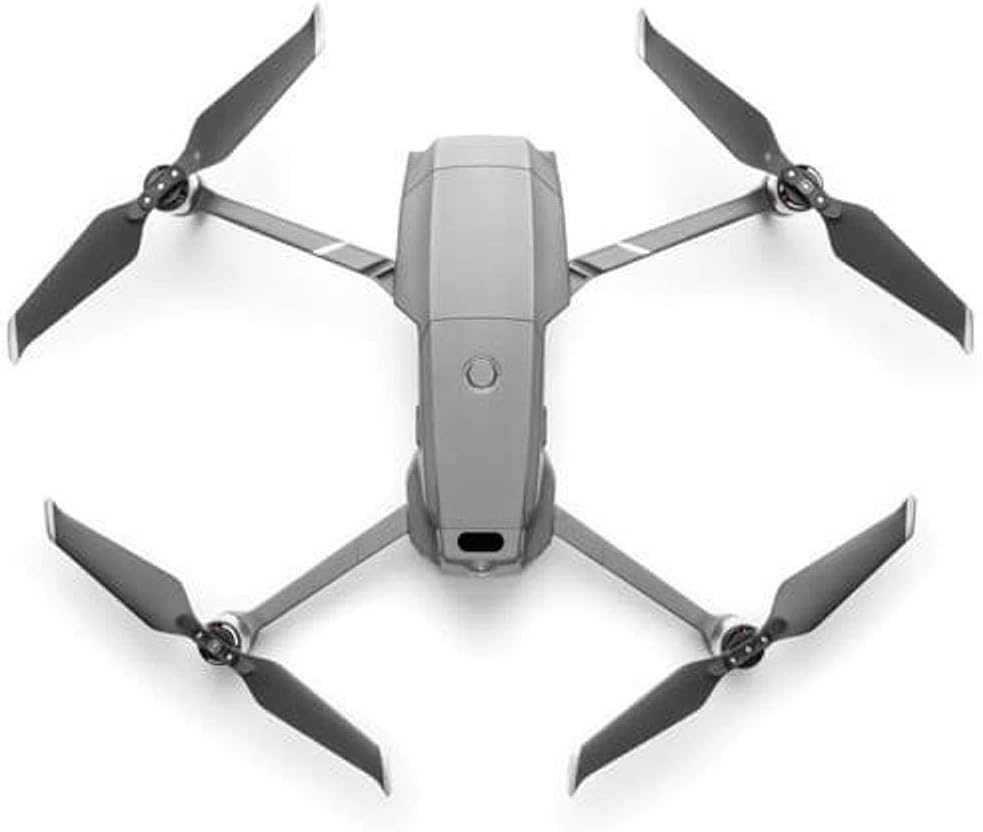
Figure 2: DJI Mavic 2 Zoom Drone (unfolded, top view). Tenei view shows the drone fully unfolded and ready for propeller attachment or flight.
2.2 Tāuta Pūhiko me te Whakatau
The Intelligent Flight Battery slides into the top compartment of the drone. Ensure it clicks securely into place. To charge, use the provided battery charger and power cable. The standard remote controller also has a built-in battery that offers up to 135 minutes of battery life on a full charge.
2.3 Tatūnga Kaiwhakahaere Mamao
The standard remote controller connects to your smartphone via an RC cable (Lightning, Micro USB, or USB Type-C, all included). Download and install the DJI GO 4 App on your smartphone (requires iOS 10.0.2, Android 5.0 or above). Some versions of the Mavic 2 Zoom may come with a Smart Controller, which features an integrated screen, eliminating the need for a separate smartphone.
Video 1: DJI Mavic 2 Overview. Ko tenei ataata e whakarato ana i nga korero whanuiview of the Mavic 2 drone, showcasing its design and some operational aspects.
3. Te whakahaere i te Drone
3.1 Nga Mana Rererangi Taketake
Once the drone is unfolded, batteries are charged, and the controller is connected to the DJI GO 4 App, you are ready for flight. The app provides a live feed from the drone's camera and displays important flight information. Take-off and landing can be initiated via the app or specific controller commands.
3.2 Aratau Rererangi
- Aratau Pūnoa: Standard flight mode with all safety features and obstacle sensing active.
- Aratau Hākinakina: Disables some obstacle sensing for increased speed and agility. Use with caution.
- Aratau Takitoru: Limits flight speed and control sensitivity for precise movements and stable shots.
3.3 Te Mahi Whakaata
The Mavic 2 Zoom's camera features a 2x optical zoom (24-48mm equivalent) and can capture 12MP photos and 4K video. The 3-axis gimbal ensures stable footage. Zoom and gimbal tilt can be controlled via dedicated wheels/buttons on the remote controller.
3.4 Ngā Āhuatanga Rere Atamai
- ActiveTrack 2.0: Advanced subject tracking that can predict subject movement.
- Hinga Kaha: Ka waihanga i ngā ataata wā-whakamiharo me ngā momo aratau-iti (Koreutu, Porowhita, Maukati Akoranga, Wāhi Ara).
- Dolly Topa: A cinematic effect where the camera zooms in while the drone flies backward, creating a disorienting visual.
- Aroturuki Aunoatanga Omnidirectional: Detects obstacles in all directions (forward, backward, downward, upward, and sideways) to enhance flight safety. Side sensing is available in ActiveTrack and Tripod modes.
4. Tiaki
Regular maintenance ensures the longevity and optimal performance of your DJI Mavic 2 Zoom.
- Kaitautoko: Inspect propellers before each flight for any cracks, bends, or damage. Replace damaged propellers immediately using the spare propellers provided.
- Tiaki Pūhiko: Store batteries in a cool, dry place. Do not overcharge or fully discharge batteries. Follow charging guidelines in the DJI GO 4 App.
- Gimbal me te kamera: Keep the gimbal and camera lens clean and free from dust or debris. Use a soft, dry cloth for cleaning.
- Whakahōu Firmware: Regularly check for and install firmware updates via the DJI GO 4 App to ensure optimal performance and access to new features.
5. Te Raru
- Ngaronga o te Tohu: If the drone loses connection with the remote controller, it will automatically initiate Return to Home (RTH) and fly back to its recorded home point.
- Ngā Take Kimi Arai: Obstacle sensing may be affected when flying low over water due to reflections. Exercise caution in such environments.
- Whakatupato Pūhiko Iti: The remote controller will provide audible and visual warnings when the drone's battery is low, prompting an automatic RTH if not manually overridden.
6. Whakatakotoranga
| Āhuahira | Whakatakotoranga |
|---|---|
| Waitohu | DJI |
| Ingoa Tauira | DJI Mavic 2 Zoom |
| Topa Optical | 2x (24-48mm rite) |
| Pūoko | 1/2.3-inch 12MP CMOS |
| Whakataunga Hopu Ataata | 4K: 3840×2160 24/25/30p; 2.7K: 2688x1512 24/25/30/48/50/60p; FHD: 1920×1080 24/25/30/48/50/60/120p |
| Te Waa Rererangi Max | Tae atu ki te 31 meneti |
| Tere Max | 44 mph (72 kph in Sport Mode) |
| Te Tauraruraru | Arohanga katoa |
| Hangarau Mana Mamao | OcuSync 2.0 |
| Rangi Tuarahi | 5 Maero (8 kiromita) |
| Taumaha Tūemi | 905 Karamu (2 pauna) |
| Hunga Hua | 8.43"L x 3.58"W x 1.3"H |
| Nga Waahanga kei roto | Mavic 2 Zoom, Intelligent Flight Battery, Gimbal Protector, Remote Controller, 3x Propellers (Pair), Battery Charger, Power Cable, Communication Cable (USB3.0 Type-C), USB Adapter, Spare Control Sticks (Pair), RC Cable (Lightning Connector), RC Cable (Standard Micro USB Connector), RC Cable (USB Type-C Connector). |
7. Pūtāhui me te Tautoko
Mo nga korero whaimana me te tautoko hangarau, tirohia te DJI mana webpae, whakapā atu ranei ki te ratonga kaihoko DJI. Puritia to tohu hoko mo nga kereme whakamana.


