1. Kupu Whakataki
This user manual provides essential information for the safe and efficient operation, installation, and maintenance of your Daikin FTXC35AV/RXC35AV Split System Air Conditioner. Please read this manual thoroughly before using the unit and retain it for future reference. Proper understanding and adherence to these instructions will ensure optimal performance and longevity of your air conditioning system.
2. Nga korero haumaru
Always observe the following safety precautions to reduce the risk of electric shock, fire, injury, or damage to the unit.
- Tāuta Ngaio: Installation, relocation, and maintenance of this unit must be performed by a qualified service technician. Improper installation can lead to electric shock, fire, or water leakage.
- Tuku Hiko: Ensure the power supply matches the unit's specifications. Do not use extension cords or multi-outlet adapters.
- Haumaru Hiko: Do not operate the unit with wet hands. Never insert objects into the air outlet or inlet.
- Rereere: Kei te whakamahia te hauhautanga R32 e te waeine. Kia tūpato te whakahaere, kia tika hoki te hauhautanga i te wā e tāuta ana, e mahi ana hoki. He hauhautanga ngāwari te mura o te R32.
- Te horoi: Disconnect power before cleaning. Use a soft, dry cloth. Do not use water or volatile liquids.
- Nga tamariki me nga kararehe: Keep children and pets away from the unit. Do not allow them to play with the remote control.
3. Hua Neke Atuview
The Daikin FTXC35AV/RXC35AV is a split-system air conditioner designed for efficient cooling and heating. It consists of an indoor unit (FTXC35A) and an outdoor unit (RXC35A).

Whakaahua 3.1: Ka mutuview of the Daikin FTXC35AV/RXC35AV split system, showing both the indoor and outdoor units.
3.1 Indoor Unit (FTXC35A)
The indoor unit is responsible for circulating conditioned air within the room. It features a sleek design with a white matte panel and silver finishes. Key components include the air filter, air inlet, air outlet, and control panel.

Whakaahua 3.2: Mua view of the Daikin FTXC35A indoor unit, highlighting its design and air outlet.
3.2 Outdoor Unit (RXC35A)
The outdoor unit houses the compressor and condenser, facilitating the heat exchange process with the external environment. It is designed for durability and efficient operation.

Image 3.3: The Daikin RXC35A outdoor unit, showing its protective grille and compact design.
4. Tatūnga me te Tāuta
The Daikin FTXC35AV/RXC35AV is a split-system air conditioner that requires professional installation. Attempting to install the unit yourself without proper qualifications can lead to serious injury, property damage, or voiding the warranty.
- Kōwhiringa Pae: The indoor unit should be placed in a location that allows for even air distribution and easy access for maintenance. The outdoor unit should be in a well-ventilated area, away from direct sunlight or obstructions.
- Whakapiki: Both units must be securely mounted according to manufacturer guidelines.
- Paipa Rerigerant: Connect the indoor and outdoor units with appropriate refrigerant piping. Ensure all connections are leak-free.
- Waea hiko: Connect the power supply and communication wiring as per the wiring diagram provided with the unit.
- Whakaheke wai: Install drainage pipes to ensure proper condensation removal from the indoor unit.
- Whakahaere Whakamatau: After installation, a test run should be performed to verify correct operation of all functions.
Contact a certified HVAC professional for installation services.
5. Nga Tohutohu Whakahaere
Your Daikin air conditioner offers various modes and settings for optimal comfort. The unit can be controlled via the remote control or the ON/OFF button on the indoor unit.
5.1 Mahi Taketake
- Hiko ON/OFF: Press the ON/OFF button on the remote control or directly on the indoor unit to start or stop operation.
- Te Whakarerekenga Pawera: Use the temperature UP/DOWN buttons on the remote control to set your desired room temperature.
5.2 Aratau Mahi
- Aratau Aunoa: The unit automatically selects cooling or heating mode based on the room temperature and the set temperature.
- Aratau whakamatao: He mea whakamahana ki te whakaheke i te pāmahana rūma.
- Aratau Whakawera: E whakarato ana i te whakamahana hei whakanui ake i te pāmahana o te rūma.
- Aratau whakamakuku: Ka whakaiti i te makuku i roto i te rūma, me te kore e nui te huringa o te pāmahana.
- Aratau Hiko Morahi: Quickly cools or heats the room to the desired temperature.
- Night Comfort Mode: Manages temperature fluctuations during the night for enhanced sleep comfort.
5.3 Air Purification Filter
The unit includes an air purification filter designed to remove suspended particles from the air, ensuring a consistent distribution of clean air.
6. Tiaki
Regular maintenance ensures the efficiency and longevity of your air conditioner. Always disconnect the power supply before performing any maintenance.
6.1 Te Whakapai i te Matarere
- Auautanga: Horoia te tātari hau i ia rua wiki, i ia wā, i runga anō i te whakamahinga me te kounga o te hau.
- Tikanga:
- Whakatuwherahia te papa o mua o te waahanga o roto.
- Tangohia nga whiriwhiringa hau.
- Clean the filters with a vacuum cleaner or wash them with water. If washing, allow them to dry completely before reinstallation.
- Tāuta anōtia ngā tātari ka kati i te paewhiri o mua.
6.2 Te Horoi i te Wāhanga
- Horoia ngā waeine o roto, o waho hoki ki te kakahu ngohengohe, maroke. Mō te paru uaua, whakamahia heamp kakahu ki te horoi ngawari, ka horoia kia maroke.
- Kaua e whakamahi i nga matū kino, te horoi horoi, te whakarewa ranei.
6.3 Tirotiro Ngaio
It is recommended to have a qualified technician inspect your unit annually to check refrigerant levels, clean coils, and ensure all components are functioning correctly.
7. Te Raru
If you encounter issues with your air conditioner, refer to the following common troubleshooting steps. If the problem persists, contact a qualified service technician.
- Karekau te waeine e timata: Check if the power plug is securely inserted. Verify the circuit breaker has not tripped. Ensure the remote control batteries are not depleted.
- He iti rawa te whakamahana/whakawera: Check if the air filters are clean. Ensure windows and doors are closed. Verify the temperature setting is appropriate for the desired mode.
- Haruru rereke: A slight gurgling sound is normal due to refrigerant flow. If the noise is loud or unusual, contact a technician.
- Te rerenga wai mai i te waahanga o roto: This could indicate a blocked drain pipe. Turn off the unit and contact a technician.
- Mana mamao kaore e mahi: Check battery orientation and replace if necessary. Ensure there are no obstructions between the remote and the indoor unit.
8. Whakatakotoranga
The following table outlines the technical specifications for the Daikin FTXC35AV/RXC35AV air conditioner.
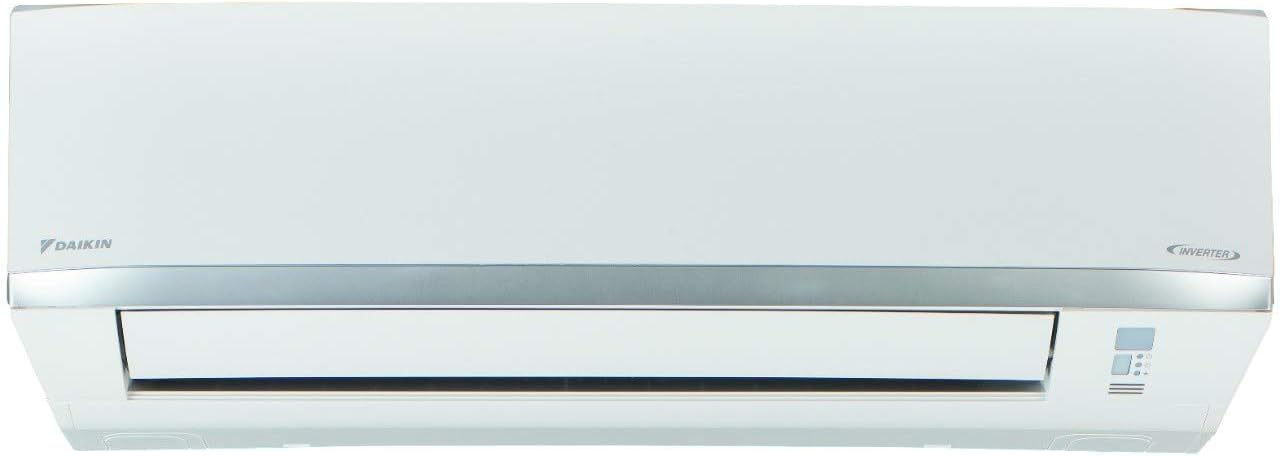
Image 8.1: Technical data table providing detailed specifications for various Daikin models, including FTXC35A and RXC35A.
| Āhuahira | Whakatakotoranga |
|---|---|
| Waitohu | Daikin |
| Tau tauira | FTXC35A/RXC35A |
| Te Whakamaoho | 12000 BTU |
| Momo Tere | R32 |
| Ahu Wae Roto (L x W x H) | 24 x 77 x 29 cm |
| Taumaha Wae Roto | 9 kg |
| Rahi Waehe o waho (L x W x H) | 550 x 658 x 289 mm |
| Taumaha Wae o Rawa | 24 kg |
| Energy Efficiency Class (Cooling/Heating) | A++/A+ |
| Tauwehenga Pungao o te Kaupeka (SEER) | 5 |
| Sound Level (Indoor Unit) | 21 dB (iti rawa) |
| Voltage | 2.3E+2 Volts |
| Nga waahanga motuhake | Air purification filter, Heating and Cooling function |
9. Pūtāhui me te Tautoko
Daikin provides a 2-year availability for spare parts for this model. For warranty claims, technical support, or service requests, please contact your authorized Daikin dealer or service center. Ensure you have your model number (FTXC35A/RXC35A) and purchase date available when contacting support.


