Kupu Whakataki
This manual provides detailed instructions for the installation, operation, and maintenance of your FLYLINKTECH Dash Cam CD10. Please read this manual thoroughly before using the device to ensure proper functionality and safety.

Whakaahua: Mua me muri view of the FLYLINKTECH Dash Cam CD10, highlighting its compact design and 1.5-inch LCD screen.
Nga waahanga hua
- Ataata HD Katoa 1080P: Records video at 1080p resolution for clear details.
- 170° Arotahi Koki Whanui: Covers up to 5 traffic lanes, reducing blind spots.
- G-Sensor and Emergency Lock: Ka kitea aunoa ngā tukinga, ka maukati hoki i te ataata files.
- Mahi WDR: Enhances video quality in various lighting conditions, including low light.
- Roopu Hopu: Overwrites oldest files when storage is full, ensuring continuous recording.
- Mata 1.5-inihi LCD: Compact display for easy viewte whakatere me te whakatere.
- Aroturuki Waka: Records incidents when the vehicle is parked.
- Kitenga Nekehanga: Initiates recording when motion is detected.
- Matakitenga po: Improved low-light performance.

Image: Diagram illustrating key features of the dash cam, including 1080P resolution, 1.5-inch LCD, G-Sensor, motion detection, loop recording, 170-degree wide angle, WDR, and super night vision.
Ihirangi mokete
Tena koa tirohia nga mea kei roto i te kete i runga i te wetewete pouaka:
- FLYLINKTECH Dash Cam CD10
- Maunga Hara Suction
- Maunga Tata
- Whakapiri Pateko
- Car Charger with additional USB port
- USB Micro Cable
- Pukapuka Kaiwhakamahi (tenei tuhinga)
Note: An SD card is not included and must be purchased separately.

Image: All items included in the product package: the dash cam, packaging box, car charger, micro USB cable, suction cup mount, adhesive mount, and user manual.
Tatūnga me te Tāuta
1. Te Whakauru i te Kāri Micro SD
Before first use, insert a high-speed Micro SD card (Class 10 or higher, up to 32GB recommended) into the dash cam's SD card slot. Ensure the card is inserted correctly until it clicks into place.
2. Whakaekea te Dash Cam
Choose between the suction cup mount or the adhesive mount for installation.
- Maunga Momo Kapu:
- Horoia te mata o te matapihi o mua i te wāhi e hiahia ana koe ki te whakanoho i te kāmera.
- Attach the dash cam to the suction cup mount.
- Pēhia te kapu momi ki te matapihi o mua, ka huri i te rīpene hei whakau.
- Maunga Piripiri:
- Horoia rawatia te mata o te matapihi o mua.
- Apply the static sticker to the windshield first, then attach the adhesive mount to the static sticker for easier removal later.
- Attach the dash cam to the adhesive mount.
- Pēhia kia 30 hēkona kia kaha te here.
Position the dash cam near the rearview whakaata, kia kore ai e ārai i tō view o te huarahi.
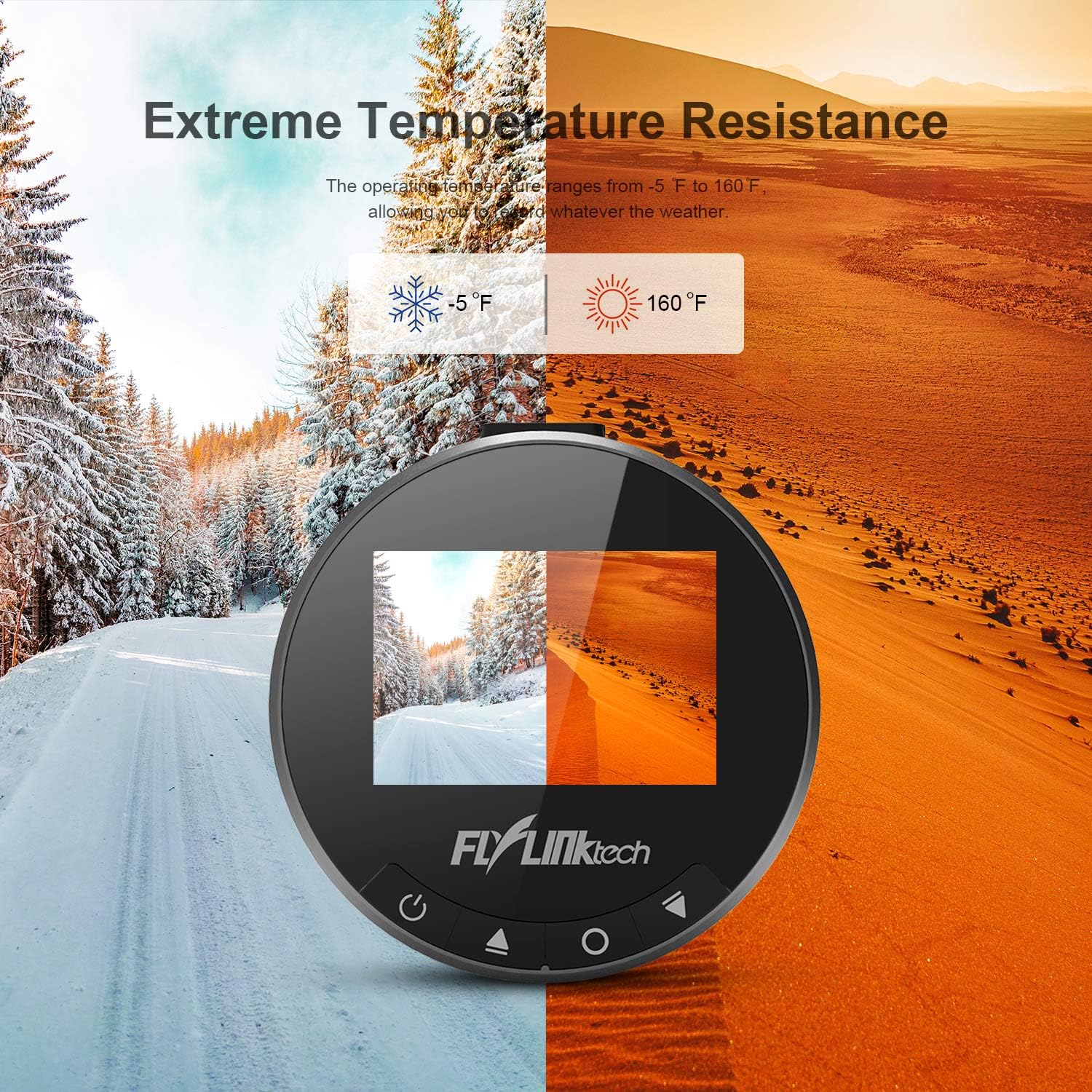
Whakaahua: He example of the dash cam installed on a car's windshield, showing optimal placement to avoid obstructing the driver's view while covering the road ahead.
3. Te Mana Hononga
Connect the provided car charger to your vehicle's cigarette lighter socket and the Micro USB cable to the dash cam's power port. Route the cable neatly along the windshield and dashboard to avoid interference with driving.
Nga Tohutohu Whakahaere
1. Te Hiko / Whakaweto
- The dash cam will automatically power on and begin recording when connected to power and the vehicle ignition is turned on.
- To manually power on/off, press and hold the Power button (usually marked with a power symbol) on the device.
2. Tuhituhi Taketake
Once powered on, the dash cam will automatically start loop recording. Video files are saved in segments (e.g., 1, 3, 5, or 10 minutes) and the oldest fileKa tuhiruatia ngā s ina kī tonu te kāri SD.

Image: Visual representation of the loop recording function, showing how older video segments are automatically replaced by new ones to ensure continuous recording.
3. G-Sensor (Emergency Lock)
The built-in G-Sensor detects sudden impacts or rapid deceleration. When triggered, the current video segment is automatically locked and protected from being overwritten, serving as crucial evidence in case of an accident.

Image: Illustrations depicting the G-Sensor activating upon collision and the 24-hour parking monitor function, which records incidents when the vehicle is parked.
4. Aroturuki Kaikuri
When enabled, the Parking Monitor function uses the internal battery to detect impacts or motion around the vehicle while parked. It will automatically start recording for a short period to capture any incidents.
5. Te Motini
In Motion Detection mode, the camera will only record when it detects movement in its field of view, conserving storage space. This feature is typically used when the vehicle is stationary.
6. WDR (Wide Dynamic Range)
WDR technology helps the camera perform optimally in challenging lighting conditions, such as strong backlight or low light, by balancing exposure to produce clearer images.

Image: Comparison showing how WDR improves image clarity in varying light conditions, alongside an illustration of the 170-degree wide angle coverage across multiple lanes.
Te tiaki
- Te horoi: Use a soft, dry cloth to clean the camera lens and screen. Do not use liquid cleaners or abrasive materials.
- Whakahōputu Kāri SD: It is recommended to format the Micro SD card regularly (e.g., once a month) within the dash cam's settings to prevent data corruption and ensure optimal recording performance. This will erase all data on the card.
- Te pāmahana: Avoid exposing the dash cam to extreme temperatures outside its operating range (-20°C to 70°C / -5°F to 160°F) for prolonged periods.
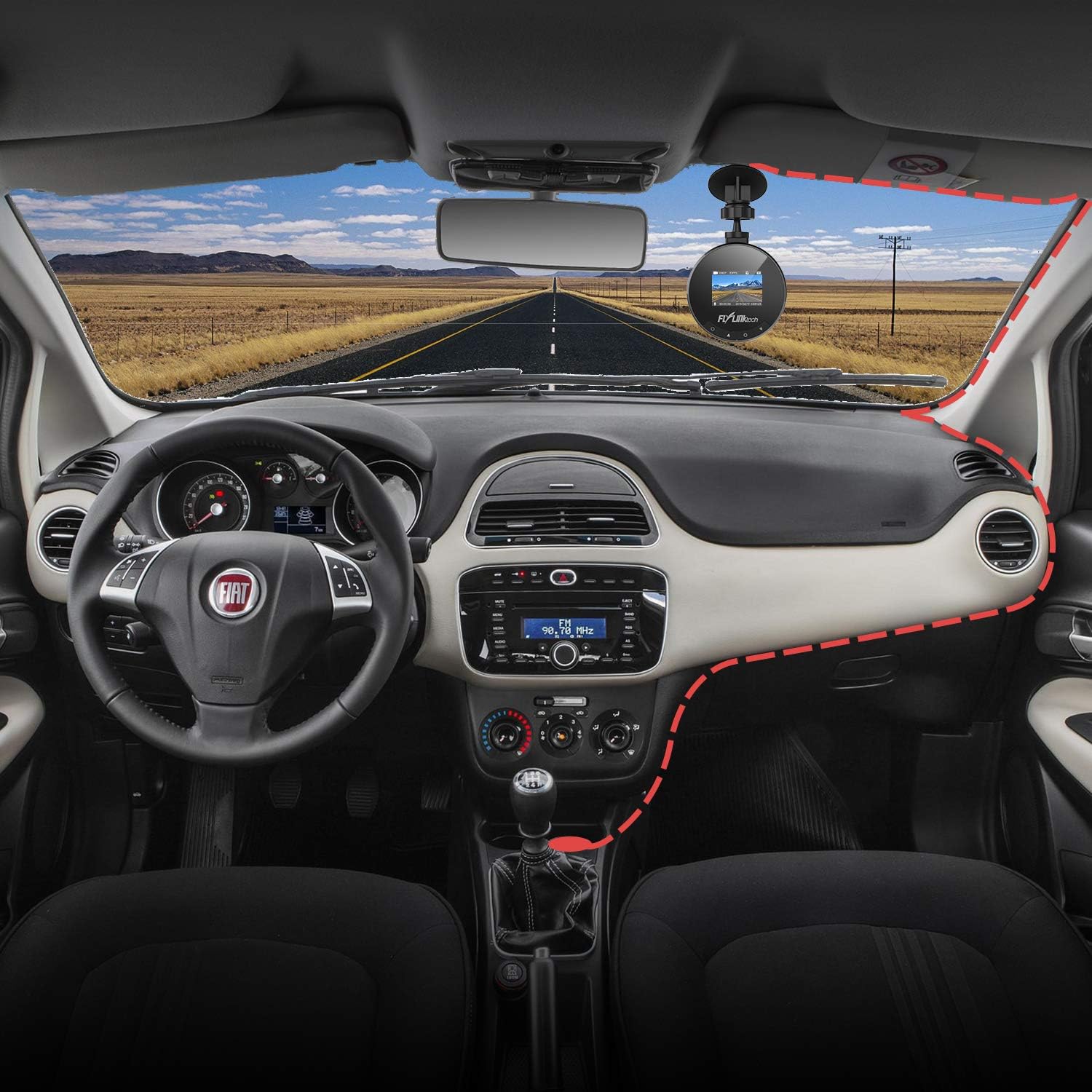
Image: Visual representation of the dash cam's ability to withstand extreme temperatures, from cold winter conditions (-5°F) to hot desert environments (160°F).
Raparongoā
- Kaore te kamera i te hiko:
- - Ensure the car charger is properly connected to both the dash cam and the vehicle's power outlet.
- - Check if the vehicle's cigarette lighter socket is functioning.
- - Whakamātauria tētahi atu taura USB, tētahi atu rihi waka rānei mēnā e wātea ana.
- Ka mutu, ka whakatio rānei te tuhi:
- - Format the Micro SD card within the camera's settings.
- - Kia tino mohio kei te whakamahi koe i tētahi kāri Micro SD tere-teitei (Akomanga 10, teitei ake rānei).
- - The SD card may be full; enable loop recording or replace the card.
- Te kounga ataata kino:
- - Clean the camera lens.
- - Kia tino tangohia te kiriata tiaki mai i te arotahi.
- - Adjust settings for WDR or exposure if available.
- Kāore te kapu momi e piri:
- - Clean both the windshield and the suction cup thoroughly.
- - Moisten the suction cup slightly before applying.
- - Ensure the lever is fully engaged after pressing the cup to the windshield.
Whakatakotoranga
| Āhuahira | Taipitopito |
|---|---|
| Mata | 1.5 inihi mata LCD |
| Whakatuwheratanga | F1.8 |
| G-Sensor | Whakauru |
| Whakatau Ataata | 1080P Ki tonu HD |
| Whakataunga Whakaahua | 12M / 10M / 8M / 5M / 3M / 2M / 1.3M |
| Aratau Ataata | Normal / Loop Recording / Motion Detection / Parking Monitor |
| Te Waahi Mahi | -20°C ~ 70°C (-5°F ~ 160°F) |
| Ahu | 5.99 x 5.99 x 3 cm |
| Taumaha | 280g |
| Hononga | USB |
Pūtāhui me te Tautoko
FLYLINKTECH provides a 2-year worry-free warranty for all dashboard cameras.
For technical support or warranty claims, please contact FLYLINKTECH customer service through the contact information provided in your product packaging or on the official FLYLINKTECH webpae.


