1. Kupu Whakataki
Thank you for choosing the Powerhorse Gas Cold Water Pressure Washer. This manual provides essential information for the safe and efficient operation, maintenance, and troubleshooting of your pressure washer. Please read this manual thoroughly before operating the unit and keep it for future reference.
Nga Korero Haumaru Nui
Operating a pressure washer can be hazardous. Always wear appropriate personal protective equipment, including eye protection, hearing protection, and sturdy footwear. Never point the spray gun at people, animals, or electrical outlets. Ensure proper ventilation when operating the engine to prevent carbon monoxide poisoning. Always disconnect the spark plug wire before performing any maintenance.
2. Nga Waahanga Nekeview
Familiarize yourself with the main components of your Powerhorse pressure washer:
- Mihini: Powerhorse 212cc OHV engine.
- Puma: Maintenance-free direct drive axial cam pump.
- Tāpare: Durable steel tube frame with push-down style cart.
- Wira: 10-inch flat-free tires for easy maneuverability.
- Huringa Taumaha-Nui: 30 feet in length.
- Spray Gun & Lance: For directing the high-pressure water.
- Nozzles Hono Tere: Various spray patterns for different tasks.
- Tane Whakapaipai: Integrated for soap application.

Whakaahua 2.1: Matua view of the Powerhorse Gas Cold Water Pressure Washer.

Figure 2.2: Key features including 3200 PSI, 2.6 GPM, and 10-inch flat-free wheels.

Figure 2.3: Detailed diagram highlighting various components like the engine, pump, and hose holder.
3. Tatūnga me te Runanga
Follow these steps to prepare your pressure washer for first use:
- Tāpiri Hinu Miihini: Remove the oil dipstick/fill cap. Using a funnel, carefully pour SAE 10W-30 motor oil into the engine crankcase until the oil level reaches the 'L' mark on the dipstick. Do not overfill. Securely replace the dipstick/fill cap.
- Tāpiri wahie: Remove the fuel cap. Pour fresh, unleaded gasoline into the fuel tank. Do not overfill. Securely replace the fuel cap.
- Honoa te ngongo pehanga teitei: Attach one end of the high-pressure hose to the pump outlet and the other end to the spray gun. Ensure connections are tight.
- Tūhono Tuku Wai: Insert the filter screen into the water inlet of the pump. Connect a garden hose (minimum 5/8 inch diameter) to the water inlet. Ensure the garden hose is free of kinks and fully open the water source.
- Purge Air from Pump: Squeeze the trigger on the spray gun until a steady stream of water flows from the nozzle, indicating that air has been purged from the pump.
Video 3.1: This video demonstrates the process of filling fuel and oil, connecting hoses, and starting a gas pressure washer. It provides a visual guide for initial setup.
Video 3.2: This video illustrates the steps for preparing a gas pressure washer, including adding oil and fuel, connecting the spray gun, and attaching the water pipe. It also shows the initial cleaning process.
4. Nga Tohutohu Whakahaere
Ka timata te Miihini
- Ensure all connections are secure and the water supply is on.
- Hurihia te whakawhiti miihini ki te "ON".
- Nekehia te tuara kowaowao ki te turanga "CHOKE" (mehemea he makariri te miihini).
- Move the fuel valve to the "ON" position.
- Tōia mārire te kakau tīmata hoki whakamuri kia puta rā anō te ātete, kātahi ka tōia tere hei tīmata i te mīhini.
- Kia timata te miihini, whakanekehia te riu whakakowaowao ki te turanga "RUN".
Using Quick-Connect Nozzles
Your pressure washer comes with multiple quick-connect nozzles, each designed for a specific spray pattern and intensity:
- Red (0°): Pinpoint stream for intense cleaning of small, tough spots. Use with extreme caution.
- Yellow (15°): Narrow fan spray for concentrated cleaning of hard surfaces.
- Green (25°): Medium fan spray for general cleaning of most surfaces.
- White (40°): Wide fan spray for gentle cleaning of delicate surfaces.
- Black (Chemical/Soap): Low-pressure stream for applying detergent.
To change a nozzle, pull back the collar on the spray gun wand, insert the desired nozzle, and release the collar to lock it in place. Always ensure the engine is off and the trigger is released before changing nozzles.
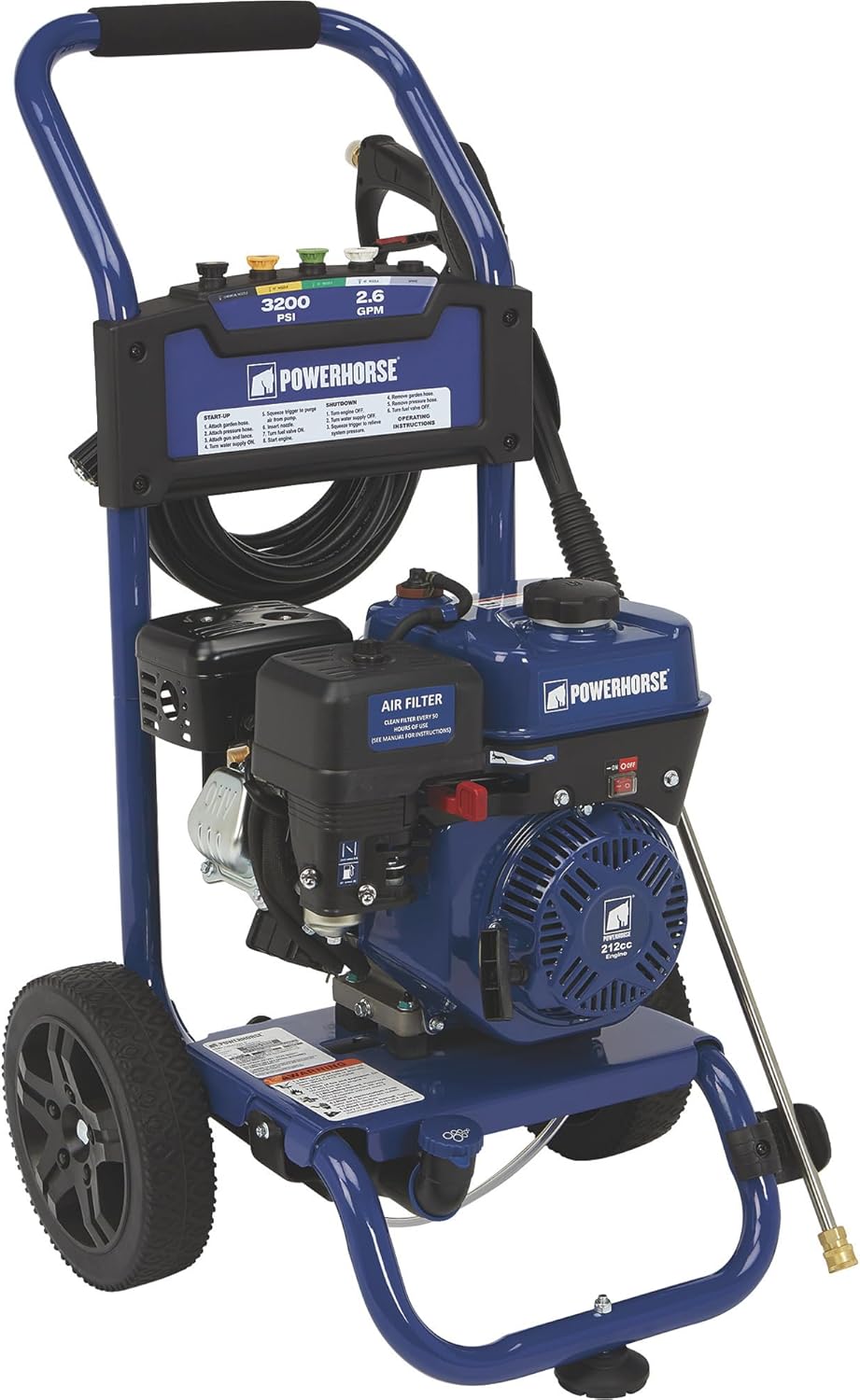
Figure 4.1: Quick-connect nozzles for various cleaning tasks.

Figure 4.2: On-unit operating instructions for quick reference.
Te Tono Taiao
Fill the onboard detergent tank with pressure washer-safe detergent. Attach the black (chemical/soap) nozzle to the spray gun. The pressure washer will automatically draw detergent when operating at low pressure. After applying detergent, switch to a high-pressure nozzle (e.g., green or yellow) to rinse the surface thoroughly.
Tikanga Whakaweto
- Hurihia te whakawhiti miihini ki te "OFF".
- Whakawetohia te puna wai.
- Squeeze the spray gun trigger to relieve any remaining system pressure.
- Momotuhia te ngongo ngongo kari me te ngongo pehanga teitei.
Video 4.3: This video demonstrates the Powerhorse Pressure Washer in action, showcasing its cleaning capabilities.
5. Tiaki
Regular maintenance ensures optimal performance and extends the life of your pressure washer. Always perform maintenance with the engine off and the spark plug wire disconnected.
Tiaki Miihini
- Tirohia te taumata hinu: I mua i ia whakamahinga, tirohia te taumata hinu miihini, ā, tāpirihia he hinu mēnā e tika ana.
- Huri Hinu: Whakakapia te hinu miihini i muri i ngā hāora tuatahi e 5 o te whakamahinga, kātahi ka whakawhitia i ia hāora e 50, i ia tau rānei.
- Tātari Hau Ma: Clean the air filter every 25 hours or more often in dusty conditions. Replace if damaged.
- Puru korakora: Tirohia, horoia hoki te mono mura i ia tau. Whakakapia mēnā kua pakaru.
Te Puma Tiaki
- Inspect Water Inlet Filter: Regularly check the water inlet filter for debris and clean it as needed.
- Te takurua: If storing the pressure washer in freezing temperatures, use a pump protector or antifreeze solution to prevent damage.
Rokiroki
Before storing for extended periods, drain all fuel from the tank and carburetor. Run the engine until it stops from lack of fuel. Store the unit in a clean, dry area away from direct sunlight and extreme temperatures.
6. Te Raru
Tirohia te ripanga i raro nei mo nga take noa me o raatau otinga:
| Raruraru | Take pea | Rongoā |
|---|---|---|
| E kore e timata te miihini | No fuel; Engine switch OFF; Choke not set; Spark plug issue | Add fuel; Turn switch ON; Adjust choke; Inspect/replace spark plug |
| Te pehanga wai iti | He iti rawa te wai; Puha purua; Te hau i roto i te papu | Check water source; Clean nozzle; Purge air from pump |
| Te pehanga pupuhi | Air in pump; Water inlet filter clogged; Kinked garden hose | Purge air; Clean filter; Straighten hose |
| Puta wai mai i te papu | Loose fittings; Damaged O-rings | Tighten fittings; Replace O-rings |
7. Whakatakotoranga
| Whakatakotoranga | Uara |
|---|---|
| Waitohu | Te hoiho kaha |
| Tau tauira | NT3000 |
| Puna Mana | Ko te hiko hinu |
| Pehenga Morahi | 3400 PSI |
| Rere Rere Morahi | 2.7 GPM (Note: Product features list 2.7 GPM, specifications list 2.6 GPM. Please refer to product labeling for exact value.) |
| Mihini | 212cc OHV |
| Momo Puma | Direct Drive Axial Cam |
| Te roa o te ngongo | 30 Puawai |
| Taumaha Tūemi | 70 Pauna |
| Hunga Hua | 25.5"L x 21"W x 38.5"H |
| Tae | kahurangi/pango |
| Tiwhikete | CARB, EPA |
8. Pūtāhui me te Tautoko
This Powerhorse pressure washer is backed by a manufacturer's warranty. For specific warranty details, please refer to the warranty card included with your product or contact Powerhorse customer support. For technical assistance or parts, please contact the retailer where the product was purchased, such as Northern Tool + Equipment.


