1. Kupu Whakataki
Welcome to your new Solpex Solar Outdoor Sensor Light. This manual provides essential information for the safe and efficient use of your device. Please read it thoroughly before installation and operation, and retain it for future reference.
Nga waahanga matua
- High Brightness & Wide Coverage: Equipped with 300 high-brightness LED chips, offering 2500 lumens of daylight white (7000K) illumination with 5-sided light output.
- Hoahoa Whakaritea: Features 5 adjustable lighting heads and a solar panel that can be rotated 360 degrees, allowing for flexible lighting direction.
- Maama me te Taurangi: IP65 waterproof and dustproof rating ensures reliable performance in various outdoor weather conditions, including rain, snow, and wind.
- Pūngao pai: Powered by a high-efficiency solar panel (25% conversion rate) and a built-in 2200mAh large capacity lithium-ion battery, providing zero electricity cost.
- Whakaaro Ataata: Integrated with a high-sensitivity human motion sensor (120° detection angle, up to 8m distance) and a light sensor for automatic operation.
- Aratau Rarama Maha: Remote control operation with three intelligent lighting modes to suit different needs.
- Mana Outage Ready: Functions independently of grid power, making it a reliable lighting solution during power outages.
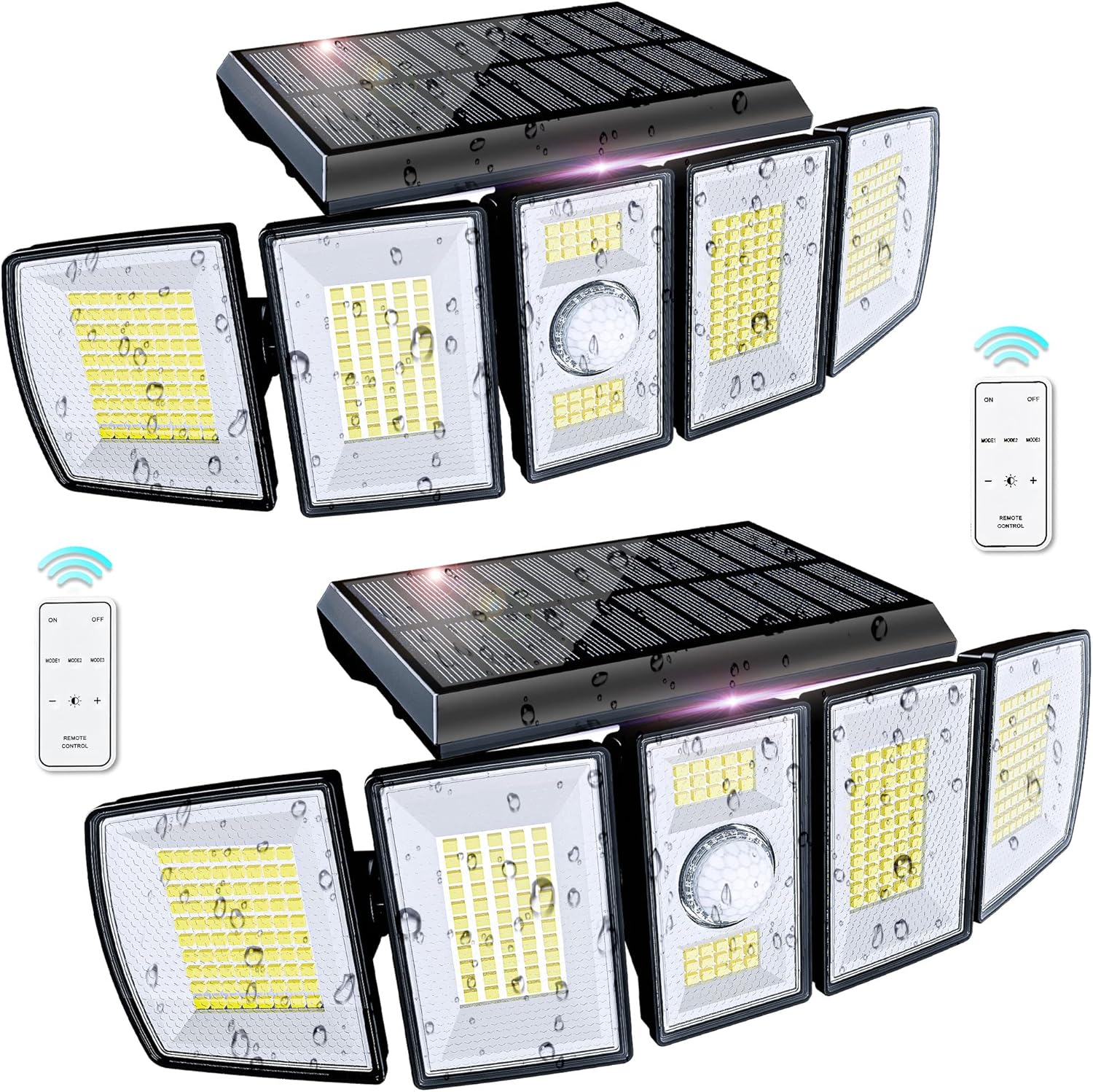
Figure 1: Solpex Solar Outdoor Sensor Light units with remote controls.
2. Ihirangi mokete
Please check the package contents to ensure all items are present and undamaged.
- Solpex Solar Outdoor Sensor Light Unit
- Mana Mamao
- Whakapiki Tiu (4 pcs)
- Wall Plugs (4 pcs)

Figure 2: All items included in the Solpex Solar Light package.
3. Aratohu Whakauru
Te Kōwhiri Tauwāhi
Select a location where the solar panel can receive direct sunlight for at least 6-8 hours daily. This ensures optimal charging and maximum light duration at night. Avoid areas under eaves, trees, or other obstructions that may block sunlight.
Whakaeke Tohutohu
The recommended installation height is approximately 3 meters (10 feet) for optimal motion detection and light coverage.
- Tohua te waahi whakairinga e hiahiatia ana i runga i te pakitara.
- Drill holes for the wall plugs at the marked positions.
- Whakauruhia nga hononga o te pakitara ki roto i nga rua kua keria.
- Secure the mounting bracket (hinge pillar) to the wall using the provided screws.
- Attach the main light unit to the mounting bracket, ensuring it slides and clicks securely into place.
- Adjust the solar panel and the five light heads to your preferred angles for optimal sunlight exposure and lighting direction. The light heads and solar panel can be rotated 360 degrees.

Figure 3: Step-by-step installation process.

Figure 4: Product dimensions and adjustable light heads.
4. Mahi
Whakahohenga Tuatahi
Before first use, ensure the light is fully charged under direct sunlight for at least 8 hours. This will activate the battery and ensure optimal performance.
Nga Mahi Mana Mamao
Use the provided remote control to select your desired operating mode. The remote has a maximum operating distance of 15 meters.
- Pātene ON/OFF: Press to manually turn the light on or off.
- MODE 1 (Sensor Mode): In darkness, the light remains off. When motion is detected, it illuminates at high brightness for approximately 30 seconds. If no further motion is detected, it turns off. If motion continues, the bright light remains active.
- MODE 2 (Constant Light Mode): In darkness, the light automatically turns on at a low brightness level and stays on continuously. It automatically turns off at dawn.
- MODE 3 (Sensor Mode + Dim Light): In darkness, the light automatically turns on at a low brightness level. When motion is detected, it switches to high brightness for approximately 30 seconds, then returns to the dim light state.

Figure 5: Explanation of the three intelligent lighting modes.
Pūoko Motini
The integrated motion sensor detects movement within a 120° angle and up to 8 meters distance. This feature is active in Mode 1 and Mode 3, providing security and convenience.

Figure 6: Motion sensor detection range and angle.
5. Tiaki
To ensure the longevity and optimal performance of your Solpex Solar Outdoor Sensor Light, follow these maintenance guidelines:
- Paewhiri Solar ma: Regularly wipe the surface of the solar panel with a soft, damp kakahu hei tango i te puehu, te paru, me ngā para. Mā te panera ma ka taea te mimiti i te rā me te utu pai.
- Clear Sensor: Keep the motion sensor lens clear of any obstructions (e.g., leaves, spiderwebs) that might interfere with its detection capabilities.
- Tirohia te Whakapuru: Periodically inspect the mounting screws and bracket to ensure they remain tight and secure.
- Aukati i nga matū kino: Do not use abrasive cleaners, solvents, or harsh chemicals on any part of the light, as these can damage the finish or internal components.
- Tiaki Pūhiko: While the battery is designed for long life, extreme temperatures can affect its performance. Ensure the light is installed in a location suitable for outdoor use.
6. Te Raru
If you encounter issues with your Solpex Solar Outdoor Sensor Light, refer to the following common problems and solutions:
- Ka kore te rama e mura i te po:
- Ensure the solar panel is receiving sufficient direct sunlight (6-8 hours daily) for charging.
- Verify that the light is set to an appropriate operating mode (Mode 1, 2, or 3) using the remote control.
- Check if the ON/OFF button on the remote has been pressed to turn the light on.
- The battery might be completely drained. Allow several days of full sunlight charging.
- Motion sensor is not responding or is too sensitive:
- Confirm the light is in Mode 1 or Mode 3, as these modes utilize the motion sensor.
- Ensure there are no obstructions (e.g., branches, tall grass) blocking the sensor lens.
- The sensor may be detecting movement from distant objects or small animals. Adjust the light's position or angle if possible.
- Ensure the installation height is within the recommended range (approx. 3 meters).
- Light duration is too short:
- Insufficient sunlight exposure during the day will result in a reduced battery charge and shorter illumination time at night.
- Heavy usage in high-brightness modes (especially Mode 1 with frequent activation) will consume battery power faster. Consider using Mode 2 or Mode 3 for longer duration.
- Extreme cold weather can temporarily reduce battery capacity and performance.
- Ensure the solar panel is clean and free from dirt or snow.
7. Whakatakotoranga
| Āhuahira | Whakatakotoranga |
|---|---|
| Waitohu | Solpex |
| Tau tauira | ZM-FL-5T-2 |
| Rahi LED | 300 LED |
| Putanga Lumen | 2500 rama |
| Te Paemahana Tae | 7000K (Ma te Awatea) |
| Pūhiko Raukaha | 2200mAh Lithium-katote |
| Whakatauranga parewai | IP65 |
| Koki Pūoko Motini | 120° |
| Motion Sensor Tawhiti | Tae atu ki te 8 mita |
| Tawhiti Mana Mamao | Tae atu ki te 15 mita |
| Adjustable Lighting Heads | 5 (360° rotation) |
| Rauemi | ABS, Silicone |
| Hunga Hua | 32 x 12.5 x 11.51 cm |
| Taumaha Hua | 907.18 g |
| Te teitei o te whakaurunga e manakohia ana | Approx. 3 mita |
| Nga waahi tono | Garage, Entrance, Garden, Patio, Yard |

Figure 7: High-efficiency solar panel and IP65 waterproof rating.
8. Pūtāhui me te Tautoko
For warranty information, technical support, or any inquiries regarding your Solpex Solar Outdoor Sensor Light, please contact Solpex customer service through the retailer where you purchased the product. When contacting support, please have your model number (ZM-FL-5T-2) and purchase date available to expedite the process.


