1. Kupu Whakataki
This user manual provides essential information for the safe and effective operation of the Sinocare Safe-Accu2 Blood Glucose Monitoring System. Please read this manual thoroughly before using the device for the first time and keep it for future reference. This system is intended for in vitro diagnostic use by people with diabetes at home and by healthcare professionals in clinical settings as an aid in monitoring the effectiveness of diabetes control.
2. Hua Neke Atuview
2.1. Ihirangi mokete
The Sinocare Safe-Accu2 kit includes the following components:
- 1 x Safe-Accu2 Blood Glucose Monitor
- 1 x Pūrere Lancing
- 100 x Twist Lancets
- 100 x Vial-packing Test Strips
- 1 x Puke Kawe
- 1 x Pukapuka Kaiwhakamahi
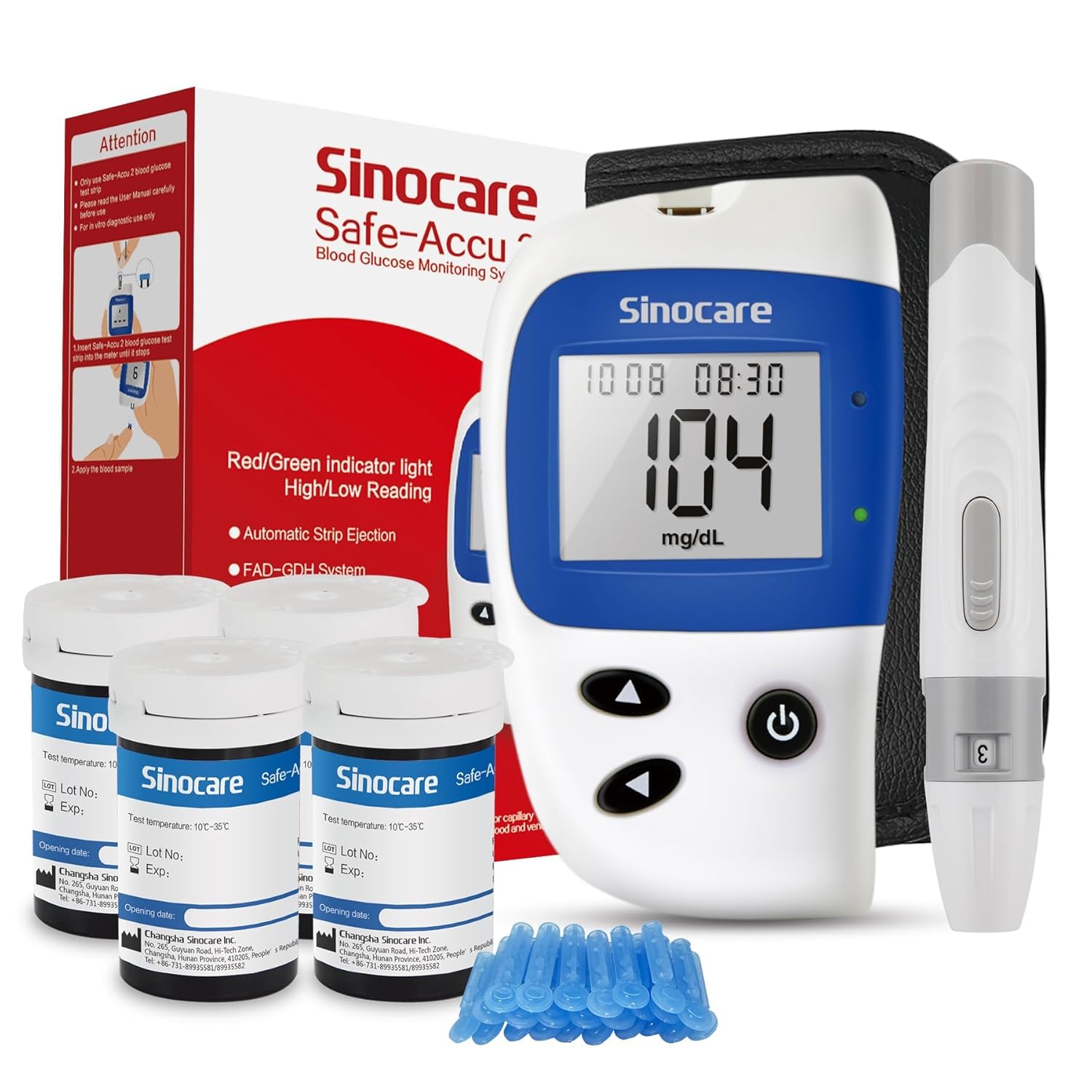
Image 2.1: Complete Sinocare Safe-Accu2 Blood Glucose Monitoring System kit, including the meter, test strips, lancets, lancing device, and carrying case.
2.2. Nga waahanga matua
- No Coding Required: Simplifies the testing process.
- Fast Test Results: Provides results in approximately 10 seconds.
- Toto Iti Sample: Requires only 0.6µL of blood.
- Tohu Maama: Red and green indicator lights provide visual cues for blood glucose levels (green for normal, red for abnormal).
- Mahi Mahara: Stores up to 200 test results and calculates 7/14/30-day averages.
- FAD-GDH System: Utilizes FAD-GDH enzyme technology to minimize interference from oxygen and xylose, ensuring accurate results.

Image 2.2: Visual representation of the Sinocare Safe-Accu2's key features, including light indication, SOD chip, 200 test memories, 10-second test time, and 0.6µL blood sample requirement.

Image 2.3: Diagram illustrating the components of the Safe-Accu2 meter, including the strip ejection button, blood sampling segment, test strip port, indicator lights, battery door, and control buttons.
3. Tatūnga
3.1. Tāuta Pūhiko
The Safe-Accu2 meter uses alkaline batteries. To install or replace batteries:
- Locate the battery compartment door on the back of the meter (refer to Image 2.3).
- Whakatuwherahia te tatau wehenga puhiko.
- Whakauruhia nga pākahiko hou, kia tika te polarity (+/-).
- Katia kia mau te tatau o te wahanga pākahiko.
3.2. Te Whakatau i te Ra me te Wa
Refer to the full user manual for detailed instructions on setting the date and time on your Safe-Accu2 meter. This ensures accurate record-keeping of your test results.
4. Tohutohu Whakahaere: Te Whakamātautau Huka Toto
Follow these steps to perform a blood glucose test using your Sinocare Safe-Accu2 system:
- Prepare Your Hands: Wash your hands thoroughly with warm, soapy water and dry them completely. This helps prevent infection and ensures an accurate sample.
- Prepare the Lancing Device: Insert a new lancet into the lancing device and set the penetration depth.
- Kōkuhu Tāhei Whakamātautau: Remove a test strip from its vial and immediately close the vial cap tightly. Insert the test strip into the meter's test strip port. The meter will turn on automatically.
- Tikina te toto Sample: Prick the side of your fingertip with the lancing device. Gently squeeze your finger to form a small drop of blood.
- Tonoa te toto Sample: Touch the tip of the test strip to the blood drop. The strip will draw the blood into the reaction area. Ensure the blood sample is sufficient (0.6µL). Do not smear the blood.
- Panui Hua: The meter will display your blood glucose result in approximately 10 seconds. Observe the indicator light: green for normal range, red for abnormal.
- Eject Strip: Use the strip ejection button to safely dispose of the used test strip.
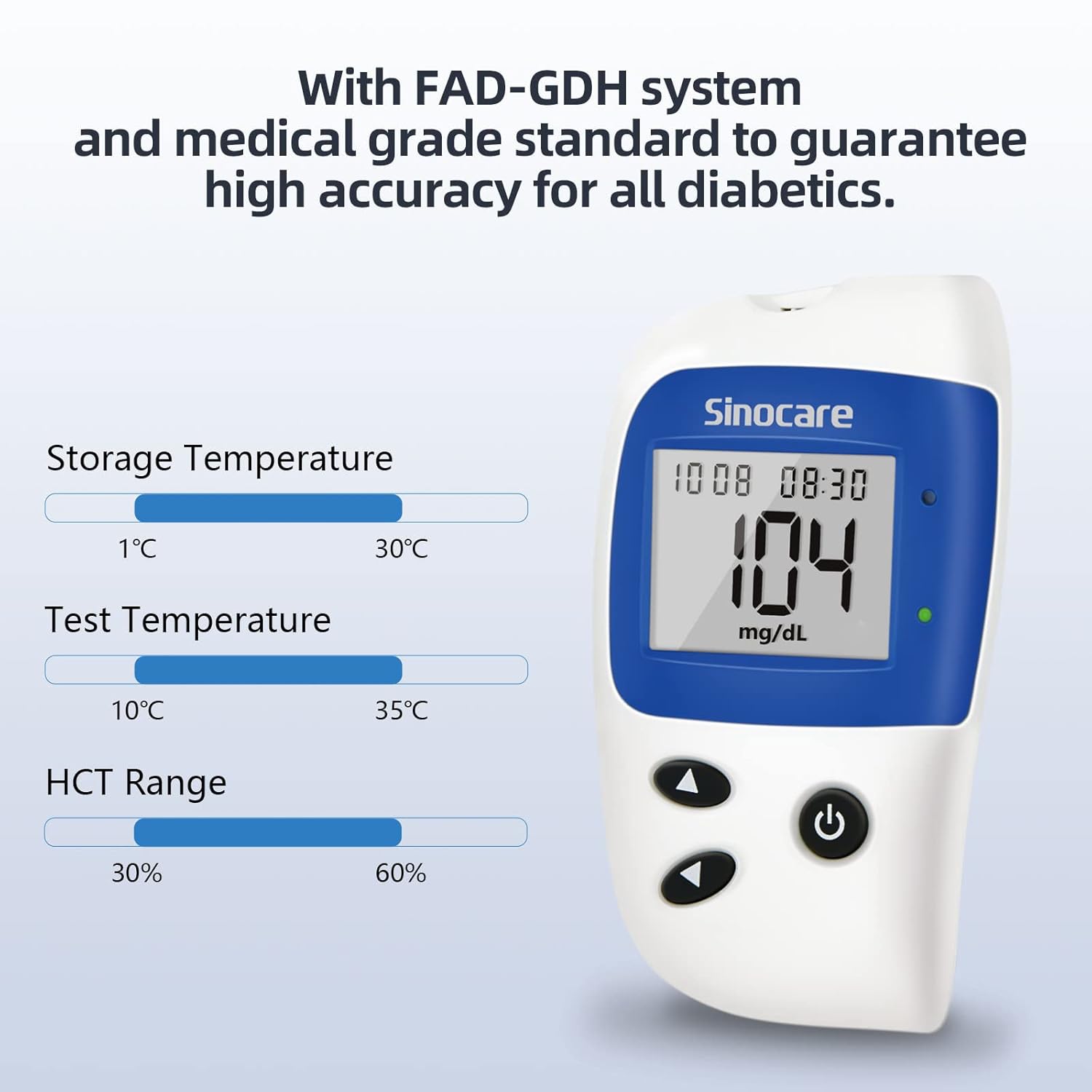
Image 4.1: Step-by-step guide for performing a blood glucose test, from cleaning hands to obtaining and applying a blood sample, and finally reading the result.

Image 4.2: Important tips for blood sampling, showing correct blood volume and emphasizing the use of test strips within their valid time (six months after opening the vial).
5. Tiaki
5.1. Te Horoi i te Mita
To clean the exterior of your Safe-Accu2 meter, wipe it gently with a soft, damp cloth. Do not immerse the meter in water or use harsh cleaning agents. Ensure no liquid enters the test strip port.
5.2. Nga Tikanga Rokiroki
Store the meter and test strips in a cool, dry place within the recommended temperature ranges.
- Meter Storage Temperature: 1°C ki te 30°C (34°F ki te 86°F)
- Test Strip Storage Temperature: 1°C ki te 30°C (34°F ki te 86°F)
- Operating Test Temperature: 10°C ki te 35°C (50°F ki te 95°F)
Always keep test strip vials tightly closed after removing a strip. Use test strips within six months of opening the vial and before the expiration date printed on the packaging.

Image 5.1: Information on recommended storage temperature, test temperature, and HCT (Hematocrit) range for the Safe-Accu2 system to ensure accurate readings.
6. Te Raru
If you encounter issues with your Safe-Accu2 meter, consider the following:
- Meter Not Turning On: Check if the batteries are correctly installed and have sufficient power. Replace batteries if necessary.
- Nga Karere Hapa: Refer to the full user manual for a list of error codes and their corresponding solutions. Common issues include insufficient blood sample or expired/damaged test strips.
- Hua Heke: Ensure hands are clean and dry, the blood sample is adequate, and test strips are not expired. Verify that the meter and strips are stored within recommended temperature ranges.
- No Blood Drawn by Strip: Ensure the test strip is inserted correctly and the blood drop is large enough to be absorbed.
If problems persist, contact Sinocare customer support for assistance.
7. Whakatakotoranga
| Whakatakotoranga | Uara |
|---|---|
| Ingoa Tauira | Safe-Accu2 |
| Hunga Hua | 23.1 x 16.7 x 6.3 cm |
| Taumaha Hua | 420 karamu |
| Kaihanga | sinocare |
| Whenua Taketake | Haina |
| Hanganga Pūtau Pūhiko | Kawakawa |
| Te Wa Whakamatau | 10 Hekona |
| Toto Sampte Volume | 0.6µL |
| Te Maharahara | 200 nga hua whakamatautau |
| UPC | 860011998532 |
| Paemahana Rokiroki | 1°C - 30°C |
| Hua pāmahana | 10°C - 35°C |
| HCT Range | 30% - 60% |
8. Pūtāhui me te Tautoko
For information regarding warranty and returns, please refer to the purchase platform's policies. Generally, products can be returned within 30 days of receipt if you change your mind. For defective or damaged products, specific return policies apply.
For further assistance or technical support, please visit the official Sinocare webpaetukutuku, whakapā atu ranei ki ta raatau ratonga kaihoko.