1. Kupu Whakataki
This manual provides comprehensive instructions for the safe and efficient operation, maintenance, and troubleshooting of your Caso Espresso Gourmet Latte machine. Please read this manual thoroughly before first use and keep it for future reference.
The Caso Espresso Gourmet Latte is a high-quality espresso machine designed to prepare a variety of coffee specialties, including espresso, cappuccino, latte macchiato, and café crema. It features a powerful 20 bar ULKA pump, an integrated milk container with an automatic one-touch milk frothing system, and a two-circuit thermoblock system for optimal temperature control.

Figure 1.1: The Caso Espresso Gourmet Latte machine, showcasing its sleek design and ability to brew two espressos simultaneously.
2. Nga Tohutohu Haumaru Nui
I te wa e whakamahi ana i nga taputapu hiko, me whai tonu nga tikanga tiaki haumaru hei whakaiti i te tupono o te ahi, te wiri hiko, me te whara o te tangata, tae atu ki enei:
- Panuihia nga tohutohu katoa.
- Kaua e pa ki nga waahi wera. Whakamahia he kakau, he puku ranei.
- Hei whakamarumaru i te ahi, te wiri hiko, me te wharanga o te tangata, kaua e rukuhia te aho, te mono, te taputapu ranei ki te wai, ki etahi atu wai ranei.
- Me kati te tirotiro ina whakamahia e nga tamariki tetahi taputapu e tata ana ranei.
- Wewetehia mai i te putanga ka kore e whakamahia ana i mua i te horoi. Tukua kia whakamatao i mua i te whakakakahu, te tango ranei i nga waahanga, i mua i te horoi i te taputapu.
- Kaua e whakahaere i tetahi taputapu me te taura kua pakaru, te mono ranei, i muri ranei i nga mahi kino o te taputapu, kua pakaru ranei i tetahi ahuatanga. Whakahokia te taputapu ki te whare ratonga whaimana tata mo te whakamatautau, te whakatika, te whakatikatika ranei.
- Ko te whakamahi i nga taputapu taapiri kaore i te taunakihia e te kaihanga taputapu ka pa he ahi, he wiri hiko, he whara tangata ranei.
- Kaua e whakamahi i waho.
- Kaua e tukua te taura kia whakairi ki runga i te taha o te teepu, te porotiti ranei, ka pa ranei ki nga papa wera.
- Kaua e tuu ki runga, ki te tata ranei ki te hau wera, ki te mura hiko ranei, ki roto ranei i te oumu kua wera.
- I nga wa katoa, whakapiri i te mono ki te taputapu i te tuatahi, katahi ka honoa te taura ki te putanga o te pakitara. Hei momotu, huri i tetahi mana ki te "whakaweto", ka tango i te mono mai i te putanga o te pakitara.
- Kaua e whakamahi i te taputapu mo etahi atu mea ke atu.
- Tērā pea ka wera te wai mēnā ka tangohia te taupoki o te tāke wai i te wā e kohuatia ana.
3. Waenga Hua
Familiarize yourself with the various parts of your Caso Espresso Gourmet Latte machine before operation.

Whakaatu 3.1: Neke Atuview of the machine's main components.
- Pereti Whakamahana Kapu: Keeps cups warm before brewing.
- Control Panel / LCD Display: For selecting functions and viewte mana.
- Heavy Metal Tampē: Used to compress ground coffee in the filter.
- Pata Taka: Collects excess liquid and spills.
- Hoahoa Kiato: Pro pakufile, only 22 cm wide.
- Water Tank (1.3 L): Taaka tango mo te wai hou.
- ULKA Pump (20 bar): High-pressure pump for optimal extraction.
- Milk Container (700 ml): Removable container for milk, suitable for all milk types and alternatives.
Nga taputapu kei roto:
- Stainless Steel Portioning Spoon
- Heavy Metal Tamper with Wooden Handle
- Stainless Steel Strainer Holder (Portafilter)
- Two double-walled stainless steel filter inserts (for 1 & 2 cups)
- Two single-walled stainless steel filter inserts (for 1 & 2 cups)
- ESE Pad filter insert
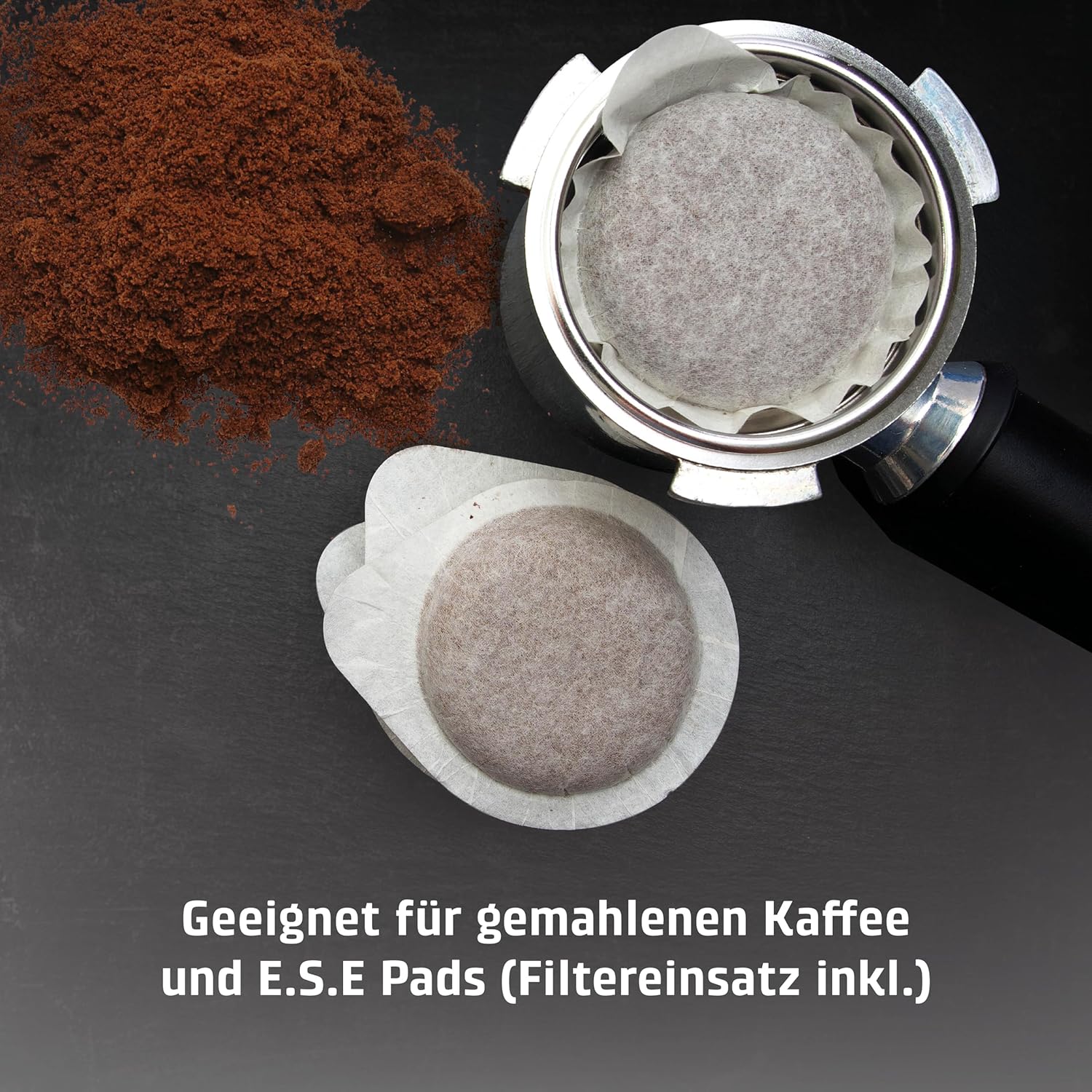
Figure 3.2: The five included coffee filter inserts for ground coffee and E.S.E. pads.
4. Tatūnga me te Whakamahi Tuatahi
4.1 Te Wetewete
Carefully remove all packaging materials from the machine. Retain packaging for future transport or storage. Ensure all listed accessories are present.
4.2 Te horoi tuatahi
Before first use, clean all removable parts (water tank, milk container, portafilter, filter inserts, drip tray) with warm water and a mild detergent. Rinse thoroughly and dry. Wipe the exterior of the machine with a damp kakahu.
4.3 Filling Water Tank
- Tangohia te tank wai mai i muri o te miihini.
- Fill the tank with fresh, cold drinking water up to the MAX mark. Do not exceed the MAX level.
- Whakahokia te tāke wai ki tōna tūranga, me te whakarite kia mau te whakanoho.
4.4 Attaching Milk Container
The milk container can be easily attached to the side of the machine. Ensure it clicks securely into place. Fill with desired milk type for milk-based beverages.

Figure 4.1: The removable 700 ml milk container, easy to fill and clean.
4.5 Te Whakakī i te Mīhini (Te Whakamahinga Tuatahi)
Before brewing coffee for the first time, or if the machine has not been used for a long period, it is necessary to prime the system:
- Me whakarite kia whakakiia te puna wai.
- Place a large container under the coffee spout.
- Press the ON/OFF button to power on the machine.
- Allow the machine to heat up until the display indicates it is ready.
- Press the "Espresso" button without any coffee in the portafilter. Let water flow through until the tank is almost empty.
- Repeat this process with the milk frother by pressing the "Latte" button (ensure milk container is attached and filled with water for this step).
- Discard the water. The machine is now primed and ready for use.
5. Nga Tohutohu Whakahaere
5.1 Powering On/Off and Preheating
Pehia te ON/OFF button to turn the machine on. The LCD display will show the heating process. Wait until the machine indicates it is ready for brewing. The integrated cup warming plate will also begin to heat up.

Figure 5.1: The integrated cup warming plate helps maintain coffee temperature.
5.2 Preparing Espresso (1 or 2 Cups)
- Select the appropriate filter insert (single-walled for 1 cup, double-walled for 2 cups) and place it into the portafilter.
- Add freshly ground espresso coffee to the filter. For 1 cup, use approximately 7-8g; for 2 cups, use 14-16g.
- Tohaina te kawhe me te tamp it firmly with the included tampē. Me whakarite he taumata te mata.
- Horoia nga papa kawhe maha mai i te riu o te tātari kawe.
- Whakauruhia te tātari pūwero ki roto i te pane o te peihana pia ka huri ki te taha matau kia mau rawa.
- Place one or two pre-warmed cups under the coffee spouts.
- Pehia te Espresso button. The machine will automatically brew the selected amount of espresso.
- Once brewing is complete, remove the cups. Carefully remove the portafilter by turning it to the left and discard the used coffee grounds.

Figure 5.2: The machine brewing two perfect espressos.
5.3 Using E.S.E. Pads
The machine is compatible with Easy Serving Espresso (E.S.E.) pads.
- Insert the dedicated E.S.E. pad filter insert into the portafilter.
- Place one E.S.E. pad into the filter, ensuring it lies flat.
- Insert the portafilter into the brewing head and lock it.
- Place a cup under the spout and press the Espresso pātene.

Figure 5.3: The machine supports E.S.E. pads for convenient single servings.
5.4 Te Whakarite i nga Inu Miraka (Cappuccino, Latte Macchiato)
The integrated milk container and one-touch frothing system simplify the preparation of milk-based drinks.
- Ensure the milk container is filled with cold milk (or milk alternative) and securely attached to the machine.
- Place a tall glass or cup under the milk spout and coffee spout.
- Pehia te Cappucino or Latte pātene.
- The machine will automatically froth the milk and then brew the espresso into your cup.
- After preparation, the machine will prompt for milk system cleaning. Refer to the maintenance section.
6. Tiaki me te Whakapai
Mā te horoi me te tiaki i ia wā ka tino pai te mahi me te roa o te ora o tō mīhini kawhe.
6.1 Whakapai ia ra
- Pata Taka: Putua ka horoi i te paepae whakaheke ia ra.
- Portafilter and Filter Inserts: After each use, remove the portafilter, discard coffee grounds, and rinse the portafilter and filter inserts under running water.
- Ipu miraka: After preparing milk-based drinks, the machine will prompt for milk system cleaning. Follow the on-screen instructions to run a quick rinse cycle. For thorough cleaning, remove the milk container and disassemble it. Wash all parts with warm soapy water and rinse thoroughly.
- Waho: Horoia te taha o waho o te miihini ki te ngohengohe, damp kakahu. Kaua e whakamahi i nga kai horoi me nga whakarewa.
6.2 Whakaheke
The machine has an integrated descaling function. The frequency of descaling depends on the hardness of your water and frequency of use. The LCD display will indicate when descaling is required.
- Refer to the machine's display for descaling instructions.
- Use a descaling solution specifically designed for coffee machines. Follow the descaling solution manufacturer's instructions for dilution.
- Whakakiia te puna wai ki te wairewa whakaheke.
- Place a large container under the coffee spout and milk spout.
- Initiate the descaling program as prompted by the machine.
- After the descaling cycle, rinse the water tank thoroughly and fill it with fresh water. Run several rinse cycles through the machine to remove any descaling solution residue.
7. Te Raru
This section addresses common issues you might encounter with your Caso Espresso Gourmet Latte machine. For problems not listed here, please contact customer support.
| Raruraru | Take pea | Rongoā |
|---|---|---|
| Kaore he kawhe e tuku. | Puke wai; te miihini kaore i te tiimata; tātari purutia. | Fill water tank; prime the machine; clean filter and portafilter. |
| He ngoikore rawa te kawhe, he wai ranei. | He tino matotoru te papa kawhe; kaore e nui te kawhe; iti rawa tamping. | Whakamahia te miro pai; whakanui i te nui o te kawhe; tamp kia kaha ake. |
| No milk foam or poor foam quality. | Milk container empty; milk system clogged; milk not cold enough. | Fill milk container; clean milk system thoroughly; use cold milk. |
| Ka pupuhi te wai miihini. | Karekau te taika wai e noho tika ana; ki tonu i te paepae maturuturu; take hiri. | Reseat water tank; empty drip tray; contact support if leak persists. |
| Kaore te miihini e huri. | Kaore i whakauruhia; take putanga hiko. | Tirohia te hononga taura hiko; whakamatauria he putanga rereke. |
8. Whakatakotoranga
| Āhuahira | Taipitopito |
|---|---|
| Waitohu | Hoahoa Caso |
| Tau tauira | 01821 |
| Hunga Hua | 17.32" D x 8.66" W x 12.01" H (44cm D x 22cm W x 30.5cm H) |
| Taumaha Tūemi | 8.14 pauna (tata ki te 3.7 kg) |
| Tae | Hiriwa, Kowiri tira |
| Te Pump Pressure | 20 Bar (ULKA Pump) |
| Te kaha o te tank wai | 1.3 rita |
| Te kaha o te ipu miraka | 700 ml |
| Voltage | 230V |
| Momo Kaihanga Kawhe | Mīhini Espresso |
| Momo Tātari | Reusable (for ground coffee and E.S.E. pads) |
| Nga waahanga motuhake | Removable Tank, Cup Warmer, Milk Frother, Programmable, LCD Display |
9. Pūtāhui me te Tautoko
For warranty information and customer support, please refer to the warranty card included with your product or visit the official Caso Design website. You can also contact Caso Design customer service directly for assistance with product operation, troubleshooting, or spare parts.
Mo etahi atu awhina, tirohia: Caso Design Store on Amazon


