1. Kupu Whakataki
Thank you for choosing the Donner DDP-95 Digital Piano. This instrument is designed to provide an authentic piano playing experience with modern digital features, suitable for beginners and experienced players alike. This manual provides essential information for the safe and effective use of your digital piano.
1.1 Nga Korero Haumaru
- Tuku Hiko: Whakamahia anake te urutau hiko kua tohua. Kia tino tika te orotage ōrite ana ki to tuku hiko rohe.
- Turanga: Whakatakotoria te piana ki runga i tētahi mata pumau, papatahi. Āraia te hihi tika o te rā, ngā pūtake wera, me te haumākū nui.
- Te horoi: Use a soft, dry cloth for cleaning. Do not use liquid cleaners or solvents.
- Te wai me te makuku: Keep the instrument away from water or any liquids. Do not operate with wet hands.
- Whakahau: Ensure proper ventilation around the instrument to prevent overheating.
- Ratonga: Kaua e ngana ki te whakatika i a koe ano. Tukuna atu nga ratonga katoa ki nga kaimahi whai tohu.
2. Hua Neke Atuview
The Donner DDP-95 features an 88-key weighted keyboard, a 4.3-inch LCD display, and a wide array of tones, rhythms, and teaching modes to enhance your musical journey.
2.1 Nga Waahanga Matua
- Digital Piano Unit (Keyboard and Stand)
- 3-Pedal System (Soft, Sostenuto, Sustain)
- Whakatā Waiata
- Pūurutau Hiko
- Pukapuka Kaiwhakamahi

Figure 2.1: The Donner DDP-95 Digital Piano, showcasing its full size, integrated stand, and three-pedal unit.

Whakaahua 2.2: Runga-raro view of the DDP-95 control panel, highlighting the LCD display and various function buttons for wireless connection, split, dual tones, MP3, transpose, chord, drum kit, and metronome.
3. Tatūnga
3.1 Huihuinga
The DDP-95 typically comes with the keyboard and stand as separate components. Follow the included assembly guide for detailed instructions on attaching the keyboard to the stand and securing the pedal unit. Ensure all screws are tightened securely before use.
3.2 Te Mana Hononga
- Connect the DC power adapter to the DC 15V input jack on the rear of the piano.
- Mono te urutau ki te putanga hiko paerewa.
3.3 Hononga Pedal
Connect the pedal unit cable to the 'PEDAL' jack on the rear of the piano. The DDP-95 features a 3-pedal system for Soft, Sostenuto, and Sustain functions.

Figure 3.1: The three-pedal system, including Soft, Sostenuto, and Sustain pedals, designed for an authentic playing experience.
3.4 Hononga Ororongo
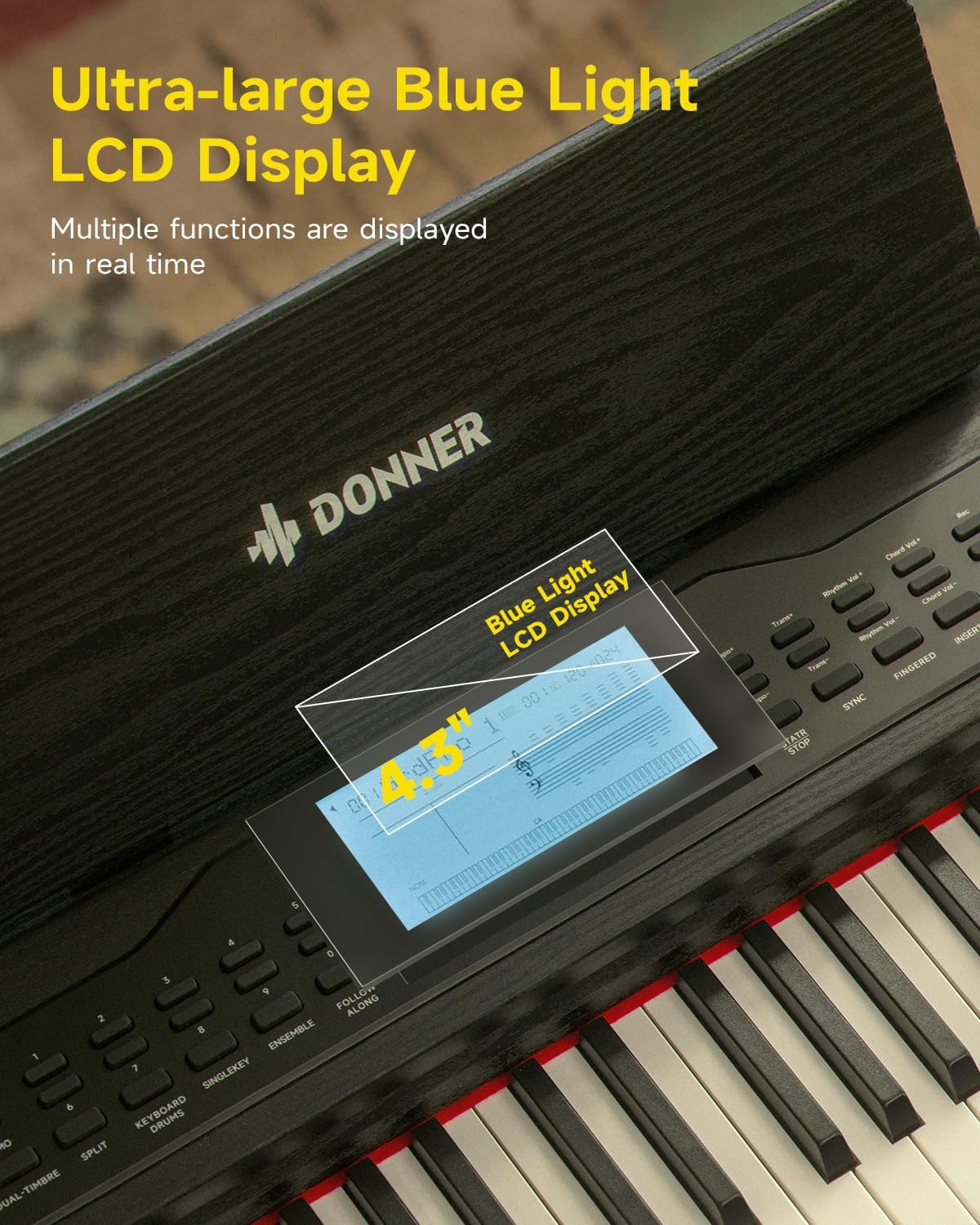
Figure 3.2: Rear panel connections, including (1) DC power jack, (2) Sustain Pedal Jack, (3) Headphone jack, (4) Audio input/output jacks, and (5) USB-MIDI port for connecting to computers, smartphones, and tablets.
- Pūoro: Connect standard 6.35mm stereo headphones to the 'HEADPHONE' jack for private practice.
- Ororongo ki roto/waho: Use the 'AUDIO IN' and 'AUDIO OUT' 6.35mm jacks to connect to external audio devices like amplifiers, mixers, or other instruments.
3.5 USB-MIDI and Bluetooth Connectivity
- USB-MIDI: Connect the piano to a computer, smartphone, or tablet using a USB-MIDI cable for MIDI data transfer with compatible software.
- Nihokikorangi: The DDP-95 supports wireless Bluetooth connection for MIDI-compatible applications. Refer to your device's Bluetooth settings and the application's instructions for pairing.
4. Nga Tohutohu Whakahaere
4.1 Mahi Taketake
- Hiko Whakaka/Weto: Press the 'POWER' button to turn the piano on or off.
- Mana Rōrahi: Use the 'VOLUME' knob or buttons to adjust the overall sound level.
- Tīpakonga oro: The DDP-95 offers 610 tones. Use the 'TONE' buttons and the LCD display to browse and select different instrument sounds.
- Tīpakonga Rītiki: Choose from 600 rhythms (including 128 accompaniment styles) using the 'RHYTHM' buttons.
- Waiata Whakaatu: Play through 100 built-in demo songs for inspiration or practice.
- Metronome: Activate the metronome function to assist with timing and rhythm practice.

Whakaatu 4.1: Neke Atuview of the DDP-95's extensive sound library, including 610 tones, 600 rhythms, 110 demo songs, and 128-note polyphony.
4.2 Whakaaturanga LCD
The 4.3-inch blue light LCD display provides visual feedback on various settings and functions. It can show notes in staff notation, indicate key positions, and offer intuitive prompts.

Figure 4.2: The 4.3-inch blue light LCD display, showing real-time information and musical notation.

Figure 4.3: Detailed breakdown of the LCD display elements: (1) Tone/Demo/Rhythm Name, (2) Number of Bars, (3) Tempo, (4) Rhythmic Volume, (5) Indication of Active Keys, (6) Currently Used Function Icon, (7) Piano Score.
4.3 Nga waahanga papapātuhi
- 88-Key Fully Weighted Keyboard: Provides an authentic piano feel with hammer action.
- 16-Level Touch Sensitivity: Adjusts the volume and timbre based on how hard or soft you play the keys, allowing for expressive dynamics.

Figure 4.4: Visual representation of the 16-level touch sensitivity, demonstrating how key weight influences sound effects from light to heavy.
4.4 Ngā Aratau Whakaako
The DDP-95 includes three teaching modes to assist learners:
- Kī Kotahi: Practice individual notes.
- Follow Along: The piano waits for you to play the correct note before proceeding.
- Whakariterite: Practice with an accompaniment, playing your part along with the built-in music.

Figure 4.5: Illustration of the three teaching modes: Single Key, Follow Along, and Ensemble, designed to guide learners progressively.
4.5 Te Rekoata me te Purei
The piano allows you to record your performances, with a capacity of up to 5000 bytes. This feature is useful for reviewing your playing, identifying areas for improvement, and capturing musical ideas.
- Press the 'RECORD' button to start recording.
- Press 'PLAY' to listen to your recorded performance.
4.6 Nga Mahi taapiri
- Ritua Papapātuhi: Divides the keyboard into two sections, allowing two different tones to be played simultaneously or for two people to play together.
- Dual Tones: Layers two different tones to create a richer, more complex sound.
- Whakawhiti: Ka nukuhia te teitei o te papapātuhi katoa ki runga, ki raro ranei i roto i nga hikoi oro.
- Chord Function: Provides automatic chord accompaniment based on the keys played.
- Kete Pahū: Whakauruhia nga momo oro pahū mo te hanga oro.
5. Tiaki
5.1 Te horoi
To maintain the appearance and functionality of your DDP-95 Digital Piano:
- Horoia te mata ki te kakahu ngohengohe, maroke, kore-miro.
- Mo te paru maro, paku dampen te kakahu ki te wai, ka horoi maroke tonu.
- Avoid abrasive cleaners, waxes, or solvents as they can damage the finish.
5.2 Rokiroki
When not in use for extended periods, store the piano in a cool, dry place, away from extreme temperatures and humidity. Cover the keyboard with a dust cover to protect the keys and internal components.
6. Te Raru
If you encounter issues with your Donner DDP-95, refer to the following common problems and solutions:
| Raruraru | Take pea | Rongoā |
|---|---|---|
| Karekau he tangi | He iti rawa te rōrahi; nga taringa e hono ana; take mana. | Whakanuia te oro; momotu te paneoro; tirohia te hononga hiko. |
| Kī kore whakautu | Function mode active (e.g., teaching mode); internal error. | Exit special modes; power cycle the instrument. |
| Ka rahua te hononga Nihokikorangi | Ko te taputapu kaore i te aratau takirua; pokanoa; tawhiti. | Ensure device is discoverable; reduce distance; restart both devices. |
| Oro kerekere | Volume too high; faulty cable; external speaker issue. | Lower volume; check/replace cables; test with different speakers/headphones. |
If the problem persists after trying these solutions, please contact Donner customer support.
7. Whakatakotoranga
| Āhuahira | Taipitopito |
|---|---|
| Ingoa Tauira | DDP-95 |
| Te maha o nga Kī | 88 |
| Momo Papapātuhi | Fully Weighted, Hammer Action |
| Pa ki te Maharahara | 16 Taumata |
| Nga oro | 610 |
| Waiata | 600 (128 Accompaniment Styles) |
| Waiata Whakaaturanga | 100 |
| Polyphony | 128-tuhipoka |
| Whakaatu | 4.3" Blue Light LCD |
| Raukaha Hopu | Tae atu ki te 5000 paita |
| Hononga | Bluetooth, USB-MIDI, 6.35mm Headphone Jack, 6.35mm Audio In/Out Jacks |
| Pedals | Soft, Sostenuto, Sustain (3-Pedal System) |
| Puna Mana | DC 15V Tuku Hiko |
| Taumaha Tūemi | 65.9 pauna (tata ki te 29.9 kg) |
| Ahu mōkihi | 53.94 x 16.14 x 11.81 inihi (tata ki te 137 x 41 x 30 cm) |
8. Pūtāhui me te Tautoko
8.1 Nga Korero Whakaputanga
Donner products are manufactured to high-quality standards. For specific warranty terms and conditions, please refer to the warranty card included with your product or visit the official Donner webpae. Puritia to tohu hoko mo nga kereme whakamana.
8.2 Tautoko Kiritaki
If you have any questions, require technical assistance, or need to report an issue, please contact Donner customer support through their official website or the contact information provided in your product packaging. Provide your model number (DDP-95) and purchase details when seeking support.