1. Kupu Whakataki
Thank you for choosing the MAXSafes Model 10002V Drop Down Biometric Handgun Safe. This safe is designed to provide secure storage and quick access to your firearm using advanced finger vein recognition, a digital keypad, or a mechanical key. Please read this manual thoroughly before installation and operation to ensure proper use and maximum security.

Figure 1: MAXSafes Model 10002V Drop Down Biometric Handgun Safe
2. Nga korero haumaru
WHAKATŪPATO: Always store firearms unloaded and separate from ammunition. Keep the safe locked and out of reach of children and unauthorized individuals. Never store the mechanical override keys inside the safe. Familiarize yourself with all local and federal laws regarding firearm storage.
- Me whakarite kia mau te whakamarumaru kia kore ai e tangohia kore mana.
- Do not leave the safe open or unattended.
- Test all access methods periodically to ensure proper function.
- Whakakapihia nga pākahiko ina puta te tohu iti o te pākahiko.
3. Ihirangi mokete
Manatokona kei roto katoa nga mea kei roto i te kete:
- MAXSafes Model 10002V Handgun Safe
- Mechanical Override Keys (2)
- Whakamaunga taputapu (tuukiri, punga)
- Pukapuka Tohutohu (tenei tuhinga)
4. Hua Neke Atuview
The MAXSafes 10002V features a robust design with multiple access options for enhanced security and convenience.

Figure 2: Key Features of the MAXSafes 10002V
Waehanga:
- Finger Vein Scanner: For advanced biometric access.
- Papapātuhi Mamati: For 4-6 digit combination code entry.
- Kohao matua: For mechanical override key access.
- Wāhanga Pūhiko: Located on the underside or rear of the unit.
- Rama LED o roto: Illuminates the safe's interior upon opening.
- Nga Tohu Whakapuru: For securing the safe to a wall or desk.

Figure 3: Access Methods - Vein Recognition, Digital Keypad, Mechanical Key
5. Tatūnga
5.1 Tāuta Pūhiko
- Locate the battery compartment, typically on the underside or rear of the safe.
- Whakatuwheratia te uhi o te wahanga.
- Whakauruhia nga pākahiko AA 4 (kaore i whakauruhia), kia tika te polarity (+/-).
- Katia kia mau te uhi o te wahanga pākahiko.
- The safe will emit a beep, indicating successful power-up.
5.2 Initial Access and Programming
Upon first use, access the safe using the mechanical override key.
- Insert the mechanical key into the keyhole and turn it to unlock the safe.
- Whakatuwheratia te kuaha haumaru.
5.2.1 Setting a Digital Combination Code
- With the safe door open, locate the internal programming button (usually a small red or green button).
- Press the programming button. The indicator light on the keypad will illuminate.
- Whakauruhia to waehere mati 4-6 i runga i te papapātuhi.
- Press the programming button again to confirm. The safe will beep to confirm the new code.
- Whakamatautauria te waehere hou me te tuwhera te kuaha i mua i te kati.
5.2.2 Registering Finger Vein IDs
The safe can store up to 50 finger vein IDs.
- With the safe door open, press the programming button. The indicator light will illuminate.
- Place your finger firmly on the vein scanner. The scanner will light up and beep.
- Lift and reposition your finger slightly, then place it on the scanner again. Repeat this process 3-5 times from different angles to ensure a comprehensive scan.
- A successful registration will be indicated by a series of beeps.
- Repeat for additional fingers or users (up to 50).
- Test registered finger veins with the door open before closing it.

Figure 4: Finger Vein Recognition Technology
5.3 Whakapiki i te Haumaru
The safe can be mounted to a wall or desk. Choose a secure location that is out of sight and reach of unauthorized persons.
- Select a suitable mounting location (e.g., under a desk, inside a cabinet, on a wall stud).
- Position the safe in the desired location and mark the mounting points through the pre-drilled holes on the safe's back or bottom.
- Drill pilot holes into the mounting surface using an appropriate drill bit size for the provided hardware.
- Align the safe with the drilled holes and secure it using the provided screws and anchors. Ensure the safe is firmly attached and does not wobble.

Whakaahua 5: Examples of Wall and Desk Mounting Options
6. Nga Tohutohu Whakahaere
6.1 Opening with Finger Vein Recognition
- Place a registered finger firmly on the vein scanner.
- The scanner will light up, and the safe will emit a confirmation beep if the vein pattern is recognized.
- The safe door will automatically drop down, providing quick access.
6.2 Opening with Digital Keypad
- Enter your programmed 4-6 digit combination code on the keypad.
- The safe will emit a confirmation beep if the code is correct.
- The safe door will automatically drop down.
6.3 Opening with Mechanical Key
Use the mechanical key as a backup in case of battery failure or forgotten codes.
- Locate the keyhole cover (if present) and remove it.
- Insert the mechanical key into the keyhole and turn it to unlock the safe.
- The safe door will open.
6.4 Aratau Wahangu
The safe features a silent mode for discreet access. Refer to the safe's specific button layout for activating/deactivating silent mode (often a dedicated button or a combination press).
6.5 Aratau Whakaoho
The safe is equipped with an audible alarm. This alarm may activate if multiple incorrect access attempts are made or if the safe is tampered with. Consult the safe's interface for specific alarm settings or deactivation procedures.
6.6 Marama LED o roto
The interior LED light automatically illuminates when the safe door opens, providing visibility in low-light conditions.
7. Tiaki
7.1 Whakakapinga Pūhiko
When the low battery indicator (usually a flashing light or specific beep pattern) appears, replace all 4 AA batteries promptly. Use high-quality alkaline batteries for optimal performance.
7.2 Te horoi
Horoia te taha o waho o te haumaru ki te ngohengohe, damp cloth. Avoid using abrasive cleaners or solvents that could damage the finish or electronic components. Keep the finger vein scanner clean and free of debris.
7.3 Regular Function Check
Periodically test all access methods (finger vein, keypad, mechanical key) to ensure they are functioning correctly. This helps identify potential issues before they become critical.
8. Te Raru
If you encounter issues with your MAXSafes 10002V, refer to the following common problems and solutions:
| Raruraru | Take pea | Rongoā |
|---|---|---|
| Finger vein not recognized | Improper finger placement, unregistered finger, dirty scanner, skin conditions (e.g., very dry, damaged). | Ensure firm and consistent finger placement. Re-register the finger, trying different angles. Clean the scanner. Try another registered finger or access method. |
| Karekau te papapātuhi e whakautu ana | Low batteries, incorrect code, keypad malfunction. | Replace batteries. Re-enter code carefully. Use mechanical key if necessary. |
| He haumaru kaore e tuwhera | Low batteries, incorrect access, mechanical obstruction. | Replace batteries. Try all access methods. Check for any obstructions preventing the door from dropping. |
| Tohu pākahiko iti | He iti nga pākahiko. | Whakakapihia nga pākahiko AA e 4 tonu. |
9. Whakatakotoranga
Detailed specifications for the MAXSafes Model 10002V:
- Waitohu: MAXSafes
- Tau tauira: 10002V
- Rahi Hua: 11.1"D x 3.8"W x 13.8"H
- Taumaha Tūemi: 9.55 pauna
- Momo Maukati: Biometric (Finger Vein), Electronic Combination Lock, Key
- Tae: Pango
- Raukaha: 8.7 Pauna
- Rauemi: Carbon Steel (16 gauge)
- Āhuahira Motuhake: Sensor Light, Audible Alarm
- Momo Whakapuru: Wall Mount, Desk Mount
- UPC: 762736839353
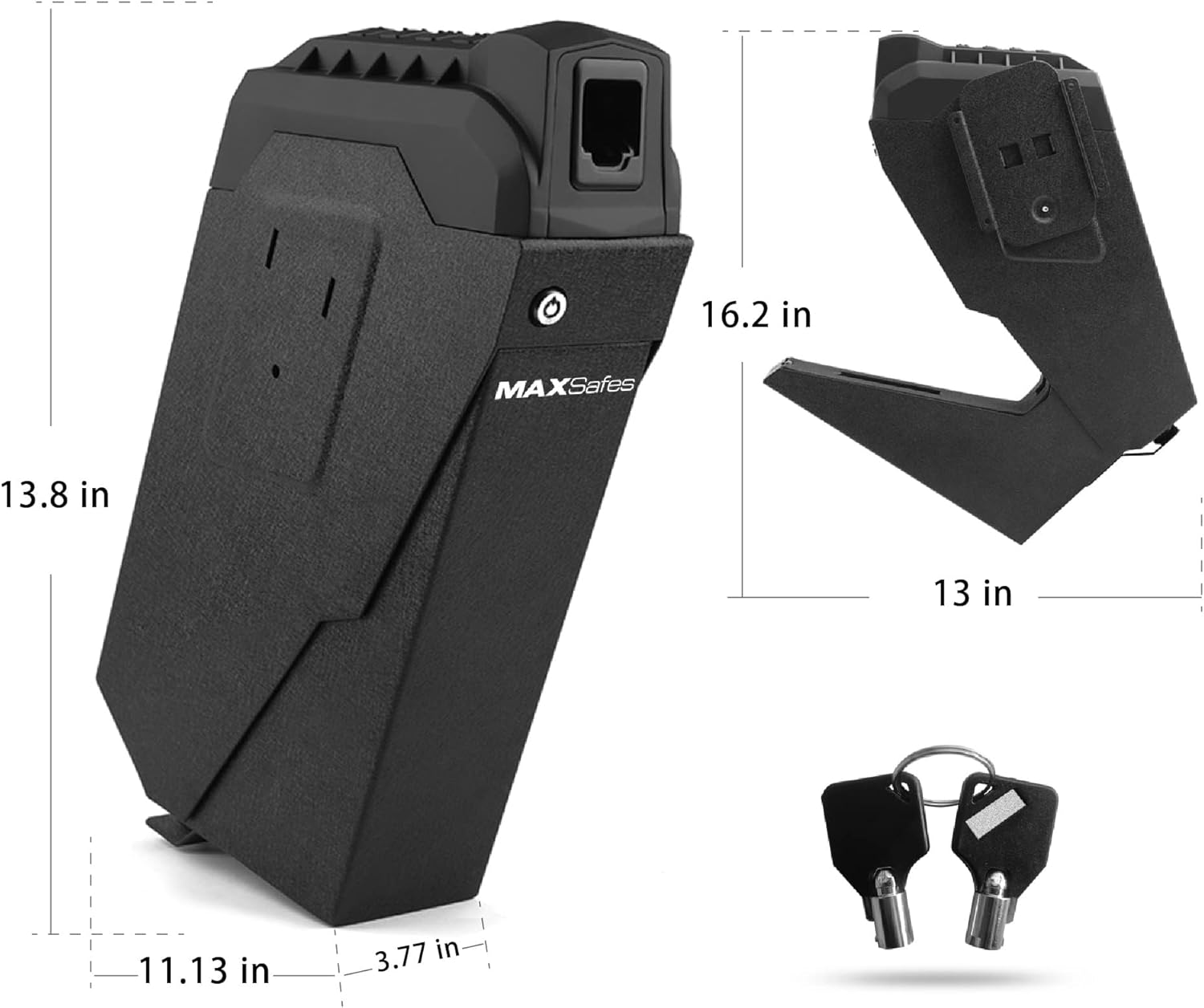
Figure 6: Product Dimensions and Included Keys
10. Pūtāhui me te Tautoko
MAXSafes products are manufactured to high-quality standards. For warranty information or technical support, please refer to the contact details provided with your purchase documentation or visit the official MAXSafes webpae. Puritia to riirii hoko hei tohu mo te hoko mo nga kereme whakamana.


