1. Kupu Whakataki
This manual provides essential information for the safe and effective assembly, operation, and maintenance of your Wiltec 680 kg Engine Stand. Please read these instructions carefully before use to ensure proper function and to prevent injury or damage.
The Wiltec engine stand is designed to securely hold vehicle engines and transmissions up to 680 kg, facilitating maintenance and repair tasks in professional workshops and home garages.

Figure 1.1: Wiltec 680 kg Engine Stand in use.
2. Nga korero haumaru
WHAKATŪPATO: Ki te kore e whai i enei tohutohu haumaru ka puta he whara nui, he kino rawa ranei.
- Always ensure the engine stand is placed on a flat, stable, and level surface.
- Kaua e neke ake i te kaha o te kawenga o te 680 kg.
- Mau taputapu whakamarumaru whaiaro (PPE) e tika ana, tae atu ki nga karaehe haumaru me nga karapu.
- Ensure all bolts and fasteners are securely tightened before mounting an engine or performing work.
- Distribute the weight of the engine evenly on the mounting head.
- Puritia nga ringa me nga kakahu kia matara mai i nga waahanga neke.
- Do not modify the engine stand in any way. Use only original replacement parts.
- Tiakina nga tamariki me nga kaimahi kore mana i te waahi mahi.

Figure 2.1: Maximum Load Capacity of 680 kg. Always adhere to the specified weight limit for safe operation.
3. Waehanga me te Runanga
Before assembly, verify that all components are present and undamaged. Refer to the diagram below for component identification.
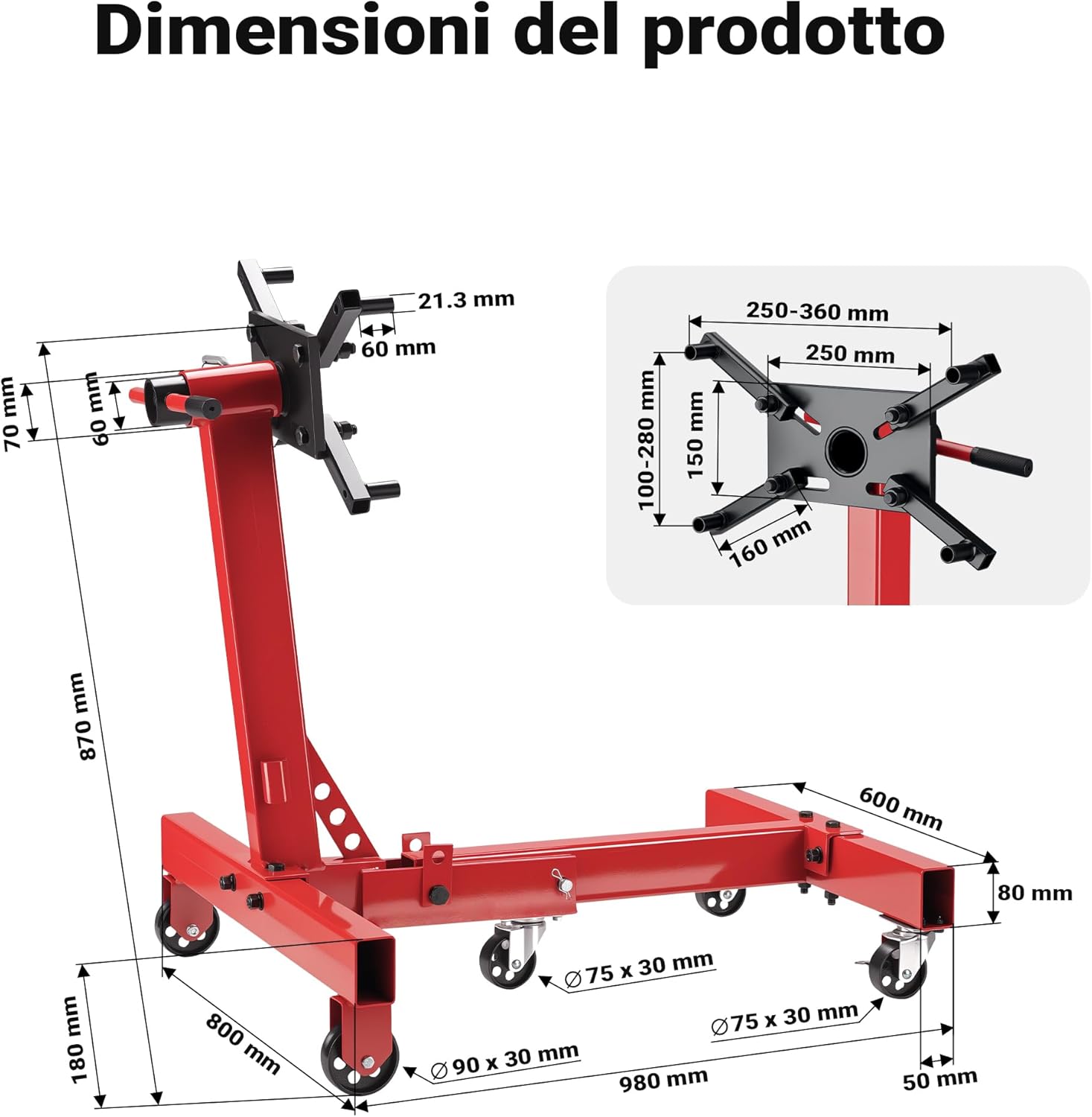
Figure 3.1: Product Dimensions and Components. This diagram illustrates the various parts and their measurements for assembly reference.
3.1 Nga Mahi Huihuinga
- Wewete Waenga: Tangohia marietia ngā wāhanga katoa mai i te takai ka whakatakotoria ki waho.
- Whakapiri Wiira: Secure the 5 swivel wheels to the base frame using the provided hardware. Ensure all wheels are properly seated and tightened.
- Huihuia te Tāpare Matua: Connect the vertical support column to the horizontal base frame. Secure with bolts and nuts.
- Install Mounting Head: Attach the 360° rotating mounting head to the top of the vertical support column. Ensure the locking pin mechanism is functional.
- Attach Adjustable Arms: Mount the four adjustable arms to the mounting head. These arms will connect to the engine block.
- Taki Whakamutunga: Verify that all connections are secure and that the stand is stable.
4. Nga Tohutohu Whakahaere
4.1 Mounting an Engine
- Position the engine stand near the engine to be mounted.
- Using appropriate lifting equipment (e.g., engine hoist), carefully lift the engine.
- Align the engine's mounting points with the adjustable arms on the stand's mounting head.
- Adjust the arms to fit the engine block's bolt patterns. Secure the engine to the arms using appropriate bolts and washers. Ensure the engine is balanced and all connections are tight.

Figure 4.1: Adjustable Mounting Arms. These arms provide compatibility with various engine and transmission types.
4.2 Rotating the Engine
- To rotate the engine, remove the safety locking pin from the swivel head.
- Carefully rotate the engine to the desired position. The 360° swivel head allows full access to all sides of the engine.
- Once the desired position is reached, re-insert the safety locking pin to secure the engine in place. Ensure the pin is fully engaged.

Figure 4.2: 360° Swivel Head. The locking pin ensures the engine remains stable during work.
4.3 Moving the Engine Stand
- Ensure the engine is securely mounted and the swivel head is locked.
- The stand is equipped with 5 swivel wheels for easy maneuverability.
- Carefully push or pull the stand to the desired location. Avoid sudden movements or uneven surfaces.
- If the stand has braking wheels, engage the brakes once in position to prevent accidental movement.

Figure 4.3: Mobile Base with Swivel Wheels. Provides flexibility in positioning the engine stand.
5. Tiaki
- Tirotiro auau: Periodically inspect the engine stand for any signs of wear, damage, or loose fasteners. Pay close attention to welds, bolts, and the condition of the wheels.
- Whakahinuhinu: Lightly lubricate the swivel head mechanism and wheel bearings annually or as needed to ensure smooth operation.
- Te horoi: Horoia te turanga me te panuiamp cloth to remove dirt, grease, and oil. Avoid using harsh chemicals that could damage the finish.
- Rokiroki: When not in use, store the engine stand in a dry, clean area. The foldable design allows for compact storage.
- Nga waahanga kua pakaru: Do not use the engine stand if any part is damaged. Replace damaged components immediately with genuine Wiltec parts.
6. Te Raru
6.1 Engine Stand is Unstable
- Tirohia te Mata: Ensure the stand is on a flat, level, and stable surface.
- Whakatikitia nga Piripiri: Verify all assembly bolts and nuts are securely tightened.
- Tohanga Taumaha: Ensure the engine's weight is evenly distributed on the mounting head.
6.2 Difficulty Rotating Engine
- Remove Locking Pin: Ensure the safety locking pin is fully disengaged before attempting to rotate.
- Whakahinuhinu: The swivel mechanism may require lubrication. Apply a light grease or oil.
- Taumaha: Ensure the engine weight does not exceed the stand's capacity.
6.3 Kāore ngā Wira e Hurihuri Maeneene ana
- Ūkui Ārai: Tirohia mo nga otaota, he aukati ranei i te taha o nga wira.
- Whakahinuhinu Pikitia: Apply lubricant to the wheel bearings.
- Damaged Wheels: Inspect wheels for damage. Replace if necessary.
7. Whakatakotoranga
| Āhuahira | Whakatakotoranga |
|---|---|
| Tau tauira | 65309 |
| Te Kaha Uta Morahi | 680 kg |
| Rahi Hua (LxWxH) | 98 x 80 x 87 cm |
| Taumaha Tūemi | 31.32 kg |
| Rauemi | Korotahi Steel |
| Momo Whakaeke | Maunga Papa |
| Nga wira | 5 Swivel Wheels (360°) |
| Mounting Head Rotation | 360° with locking pin |
| Tae | Whero |
8. Pūtāhui me te Tautoko
For warranty information or technical support, please contact Wiltec customer service. Keep your purchase receipt as proof of purchase.
For further assistance, please visit the official Wiltec webpaetukutuku, whakapā atu ranei ki to kaihoko o to rohe.


