1. Kupu Whakataki
This manual provides comprehensive instructions for the installation, operation, and maintenance of the GHHSBO SU700-18.5KW-G1 Single-Phase 220V to Three-Phase 380V Frequency Converter. Please read this manual thoroughly before using the device to ensure safe and efficient operation. Retain this manual for future reference.
2. Nga Tohutohu Haumaru
WARNING: Improper installation or operation can lead to serious injury or equipment damage. Always follow safety guidelines.
- Ensure all power is disconnected before installation, wiring, or maintenance.
- Only qualified personnel should perform installation and wiring.
- Manatokohia te urunga voltage (Single-Phase 220V) matches the converter's specifications.
- Me whakarite te turanga tika kia kore ai e ru te hiko.
- Do not operate the converter in environments with excessive dust, moisture, or corrosive gases.
- Avoid touching internal components when power is applied or recently disconnected, as residual voltagkei reira pea.

Whakaahua 2.1: Mua view of the GHHSBO SU700 Frequency Converter, showing the digital display, control buttons (PRG, MFK, RUN, STOP, ENTER, Up/Down arrows), and a rotary knob. A "DANGER 5 min" warning label is visible at the bottom.
3. Hua Neke Atuview
The GHHSBO SU700 series frequency converter is designed to convert single-phase 220V input power to three-phase 380V output power, enabling precise speed control for compatible motors. This model, SU700-18.5KW-G1, is rated for 18.5KW applications.
3.1 Nga waahanga matua
- Single-phase 220V input, three-phase 380V output.
- Motor speed control capabilities.
- Digital display for frequency and parameter monitoring.
- Integrated control panel for easy operation.
3.2 Waehanga
The frequency converter typically consists of:
- Paewhiri Mana: Features a digital display, function buttons (PRG, MFK, RUN, STOP, ENTER), and navigation arrows.
- Kaihoko Hiko: For input power (L, N) and output power (U, V, W) connections.
- Pūnaha whakamatao: Vents and possibly a fan for heat dissipation.

Figure 3.1: Product parameters and dimensions. Note: While the image references FK700B-18R5G1, the specifications for 18.5KW, 220V input, and 380V output are relevant to the SU700-18.5KW-G1 model.
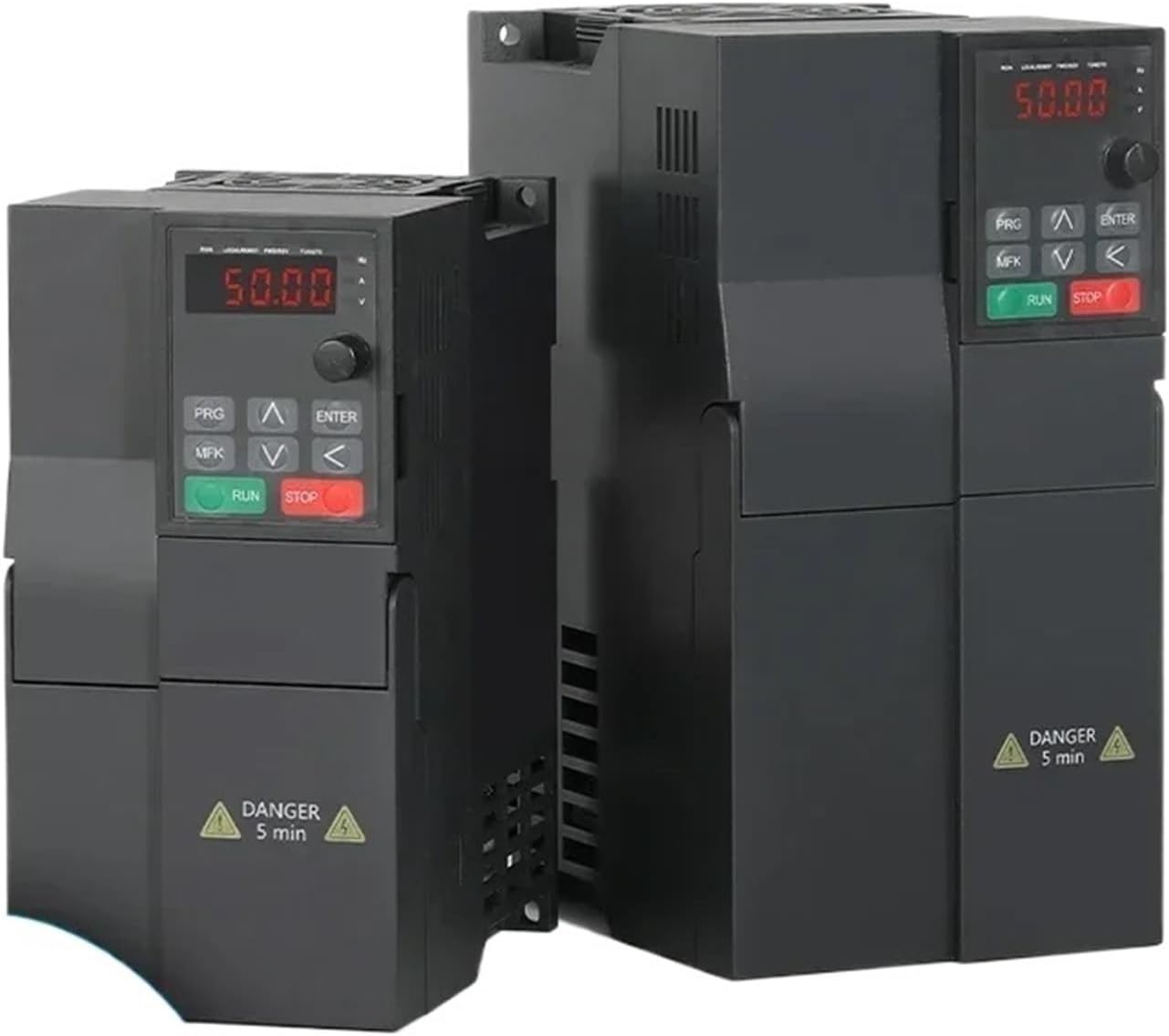
Figure 3.2: Comparison of two SU700 series frequency converters, illustrating potential size variations within the product line.
4. Tatūnga me te Tāuta
4.1 Whakapiki
Mount the frequency converter vertically on a stable, non-flammable surface. Ensure adequate clearance around the unit for proper ventilation (at least 10 cm on all sides). Avoid direct sunlight or heat sources.
4.2 Waea Whakahoahoa
CAUTION: All wiring must be performed by a qualified electrician. Ensure power is OFF before connecting any wires.
- Input Power (AC 220V Single-Phase): Connect the single-phase 220V AC power supply to the designated input terminals (typically labeled L and N).
- Output Power (AC 380V Three-Phase): Connect the three-phase motor to the output terminals (typically labeled U, V, W).
- Whakapapa: Connect the ground terminal of the converter to a reliable earth ground.
- Control Wiring (Optional): If external control signals (e.g., start/stop, speed reference) are used, connect them to the appropriate control terminals as per the detailed wiring diagram in the full product manual.
Refer to the specific wiring diagram provided with your unit for exact terminal locations and recommended wire gauges.
5. Nga Tohutohu Whakahaere
5.1 Paewhiri Mana Ki rungaview
- Whakaaturanga Mamati: Shows current frequency, output voltage, current, or error codes.
- PRG (Program) Button: Enters/exits parameter setting mode.
- MFK (Multi-Function Key) Button: Used for specific functions or parameter navigation.
- Pere Runga/Raro: Adjust parameter values or navigate menus.
- ENTER Pātene: Confirms selections or parameter changes.
- Pātene RUN (Kakariki): Starts motor operation.
- Pātene TUTU (Whero): Stops motor operation.
- Puku Hurihuri: Typically used for fine-tuning frequency or speed.
5.2 Mahi Taketake
- Whakahiko: Apply single-phase 220V power to the converter. The digital display should illuminate.
- Tautuhi Auautanga: Use the rotary knob or the Up/Down arrows to set the desired output frequency. Press ENTER to confirm if required.
- Tīmata Motini: Pehia te RERE button. The motor should start and accelerate to the set frequency.
- Kati Motini: Pehia te KATI pātene. Ka tere haere te motuka ka mutu.
- Whakaritenga Tawhā: Press the PRG button to enter parameter setting mode. Use Up/Down arrows to navigate, ENTER to select, and then Up/Down arrows to change values. Press ENTER again to save, and PRG to exit.
For advanced settings and parameter configurations, refer to the detailed programming guide in the complete user manual.
6. Tiaki
WARNING: Disconnect all power before performing any maintenance.
- Whakapai auau: Keep the converter clean and free from dust. Use a soft, dry cloth. Do not use liquid cleaners.
- Taki Whakahau: Ensure cooling vents are not obstructed. Clean any dust buildup from the vents and cooling fan (if present) using compressed air.
- Tirohanga Kapeka: Periodically check all wiring terminals for tightness. Loose connections can cause overheating or intermittent operation.
- Nga Tikanga Taiao: Me whakarite kia noho tonu te taiao whakahaere i roto i nga awhe pāmahana me te makuku.
7. Te Raru
This section provides solutions for common issues. For problems not listed here, contact technical support.
| Raruraru | Take pea | Rongoā |
|---|---|---|
| Converter does not power on. | No input power; faulty wiring; internal fault. | Check power supply and connections. Verify input voltage. |
| E kore e timata te motuka. | Incorrect parameters; wiring error; motor fault; emergency stop active. | Check motor wiring. Verify frequency setting. Ensure no error codes are displayed. |
| Overcurrent/Overload error. | Motor overloaded; short circuit; incorrect acceleration time. | Reduce motor load. Check motor and output wiring for shorts. Increase acceleration time parameter. |
| Whakawhanatage/Irarotage hapa. | Whakauru voltage fluctuation; incorrect deceleration time. | Check input power supply stability. Increase deceleration time parameter. |
8. Whakatakotoranga
| Tawhā | Uara |
|---|---|
| Tauira | SU700-18.5KW-G1 |
| Whakauru Voltage | Wāhanga-kotahi 220V |
| Putanga Voltage | Tuatoru-Wahanga 380V |
| Te Mana Whakatau | 18.5KW |
| Auautanga Putanga | 50-60Hz (Ka taea te whakarite) |
| Output Current (Approx.) | 37A (for 18.5KW model, based on image data) |
| Ahu (Ahua) | 295 x 165 x 201.5 mm (based on image data) |
| Taumaha (Ahua.) | 5 kg (based on image data) |
| Kaihanga | GHHSBO |
9. Pūtāhui me te Tautoko
For warranty information and technical support, please refer to the documentation included with your purchase or contact your vendor. Keep your purchase receipt as proof of purchase.


