1. Kupu Whakataki
The ZIBOO FT-1000W Solar Panel Tester MPPT Meter is a professional-grade device designed for evaluating the performance of photovoltaic (PV) modules. It accurately measures maximum power (Pmax), open-circuit voltage (Voc), and short-circuit current (Isc), making it an essential tool for R&D, manufacturing, and field maintenance of solar systems.
1.1. Ihirangi mokete
I te whakatuwheratanga o te kete, me whakarite nga mea katoa e whai ake nei:
- 1x ZIBOO FT-1000W Solar Panel Tester MPPT Meter
- 1x Special Test Lead (MC4 connectors)
- 1x Manual Kaiwhakamahi
- 1x Pukoro Kawe
- 1x Here
- 2x Special Interface Wrench Tools

Figure 1: All items included in the ZIBOO FT-1000W package.
2. Nga waahanga matua
- Professional-Grade PV Testing: Measures maximum power (Pmax) up to 1000W, open-circuit voltage (Voc: 12-80V), and short-circuit current (Isc: 35A) with ±0.8% accuracy.
- MPPT Efficiency Optimization: Tracks Vmp (80V) & Amp (35A) in real-time to identify panel degradation or shading issues.
- Industrial Safety & Durability: Rated CAT III 1000V/CAT IV 600V with double-insulated probes, meeting IEC/EN 61010 standards.
- Smart Data Management: Features data hold and a backlit LCD for reading values in various environments.
- Hoahoa ratarata-kaiwhakamahi: Auto-ranging simplifies operation, while IP54 dust/water resistance and low-power auto-off ensure reliability.
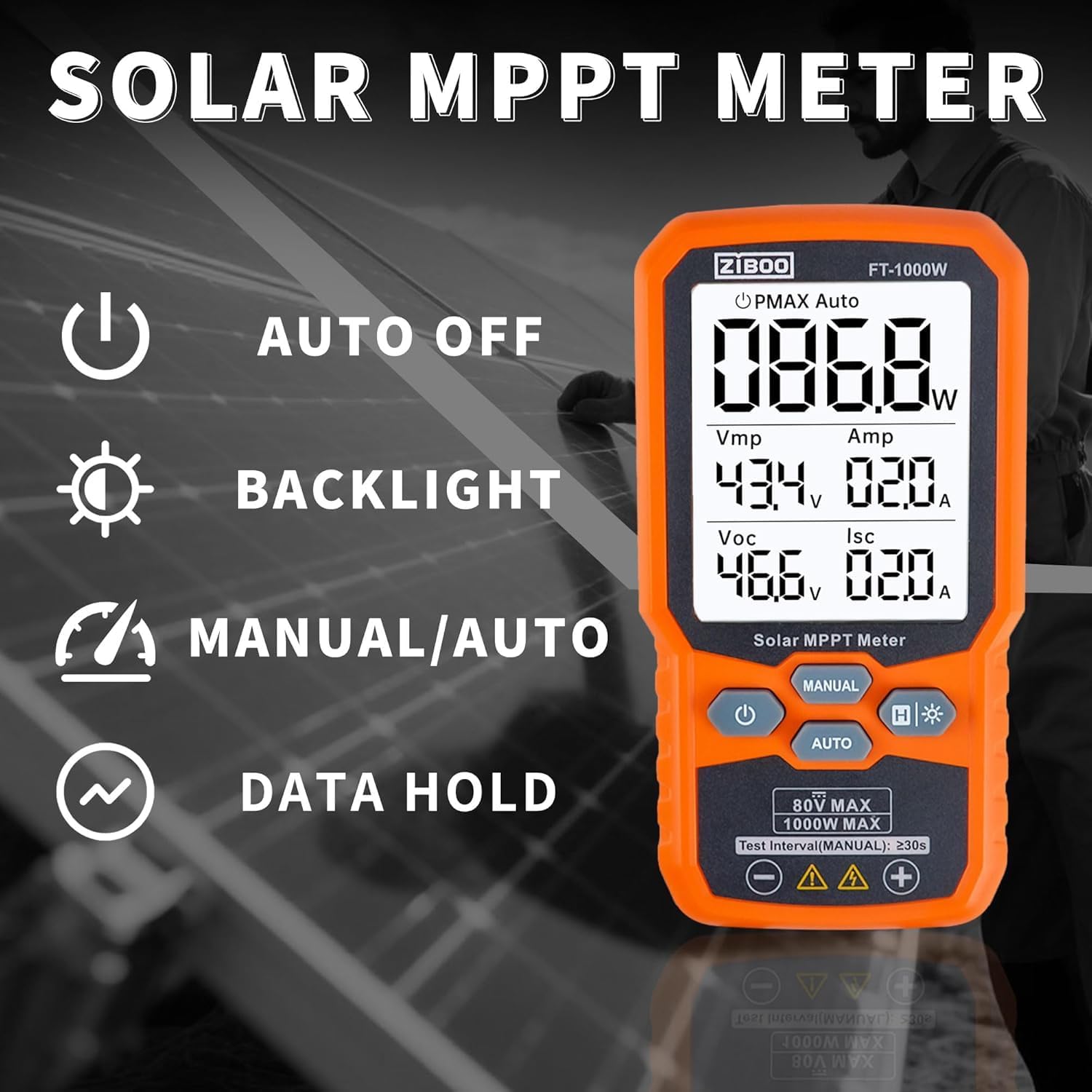
Whakaatu 2: Neke Atuview of the ZIBOO FT-1000W's operational features.
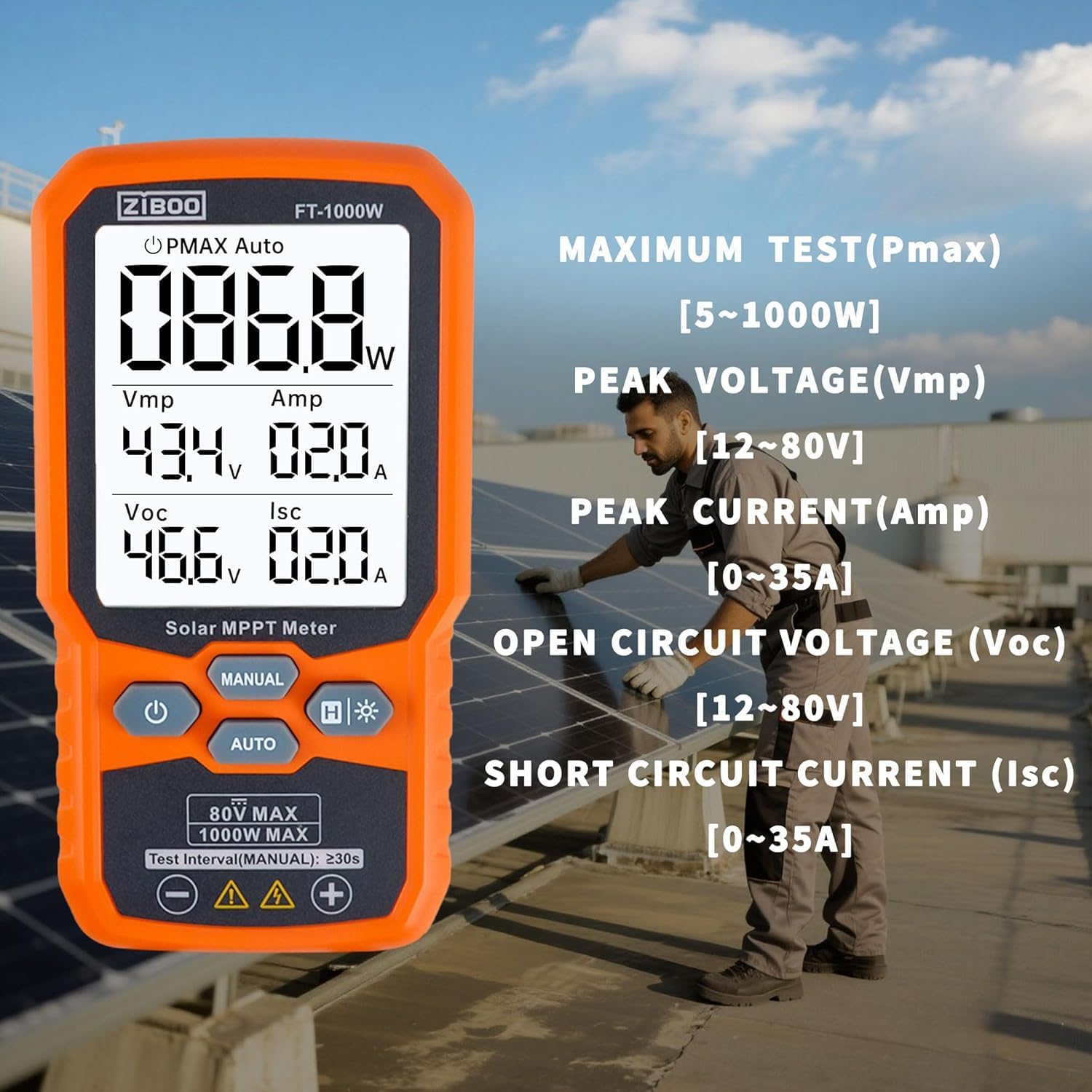
Figure 3: Detailed display of test parameters on the ZIBOO FT-1000W.
3. Whakatakotoranga Hangarau
| Tawhā | Uara |
|---|---|
| Mana Morahi (Pmax) | 1000 Watts |
| Tuwhera-Porowhita Voltage (Voc) | 12-80V |
| Ia Poropoti-Poto (Isc) | 35A |
| Peak Power Voltage (Vmp) | 80V |
| Peak Power Current (Amp) | 35A |
| Tika | ±0.8% |
| Whakatauranga Haumaru | CAT III 1000V/CAT IV 600V, IEC/EN 61010 |
| Ahu | 5.51"L x 2.99"W x 1.26"H |
| Taumaha Tūemi | 10.4 hekere |
| Rauemi | Konumohe, Hiraka Monocrystalline, Karāhe Whakamarumaru |
| Puna Mana | 3x AAA Battery (kaore i uru) |

Figure 4: Product dimensions of the ZIBOO FT-1000W.
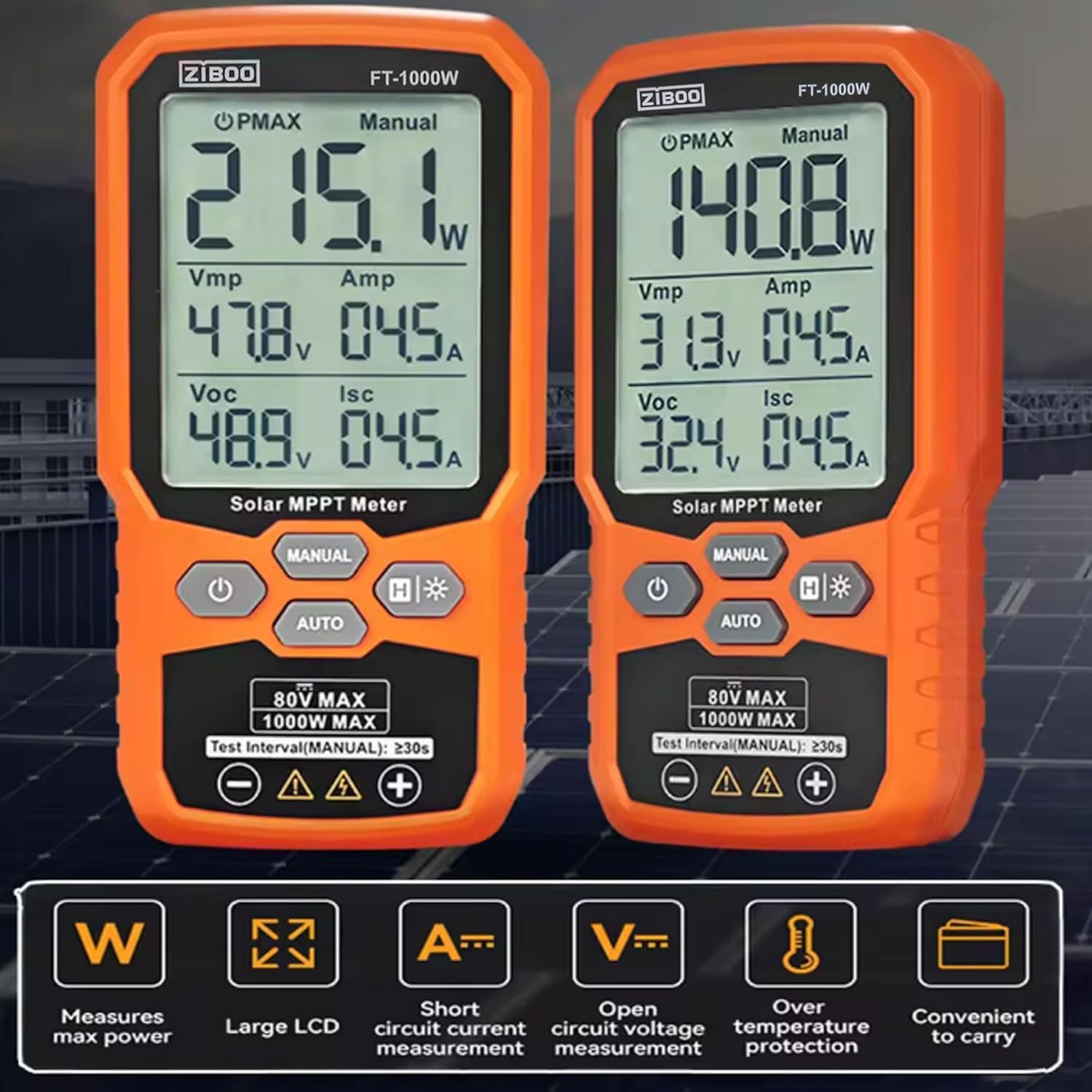
Figure 5: Comparison of FT-1000W and FT-2000W models.
4. Tatūnga
4.1. Tāuta Pūhiko
- Rapua te wahanga pākahiko kei muri o te mita.
- Whakamahia he tīwiri iti hei whakatuwhera i te taupoki pākahiko.
- Whakauruhia kia 3 ngā pākahiko AAA, kia tika ai te polarity (+/-).
- Whakakapihia te uhi o te pākahiko ka mau ki te huri.
4.2. Te hono i nga Kaitohu Whakamatau
The ZIBOO FT-1000W comes with special MC4 test leads for direct connection to solar panels.
- Connect the red test lead to the positive (+) input terminal on the meter.
- Connect the black test lead to the negative (-) input terminal on the meter.
- Ensure the MC4 connectors on the test leads are securely attached to the corresponding connectors on your solar panel or array.

Figure 6: Standard MC4 Test Leads included with the meter.
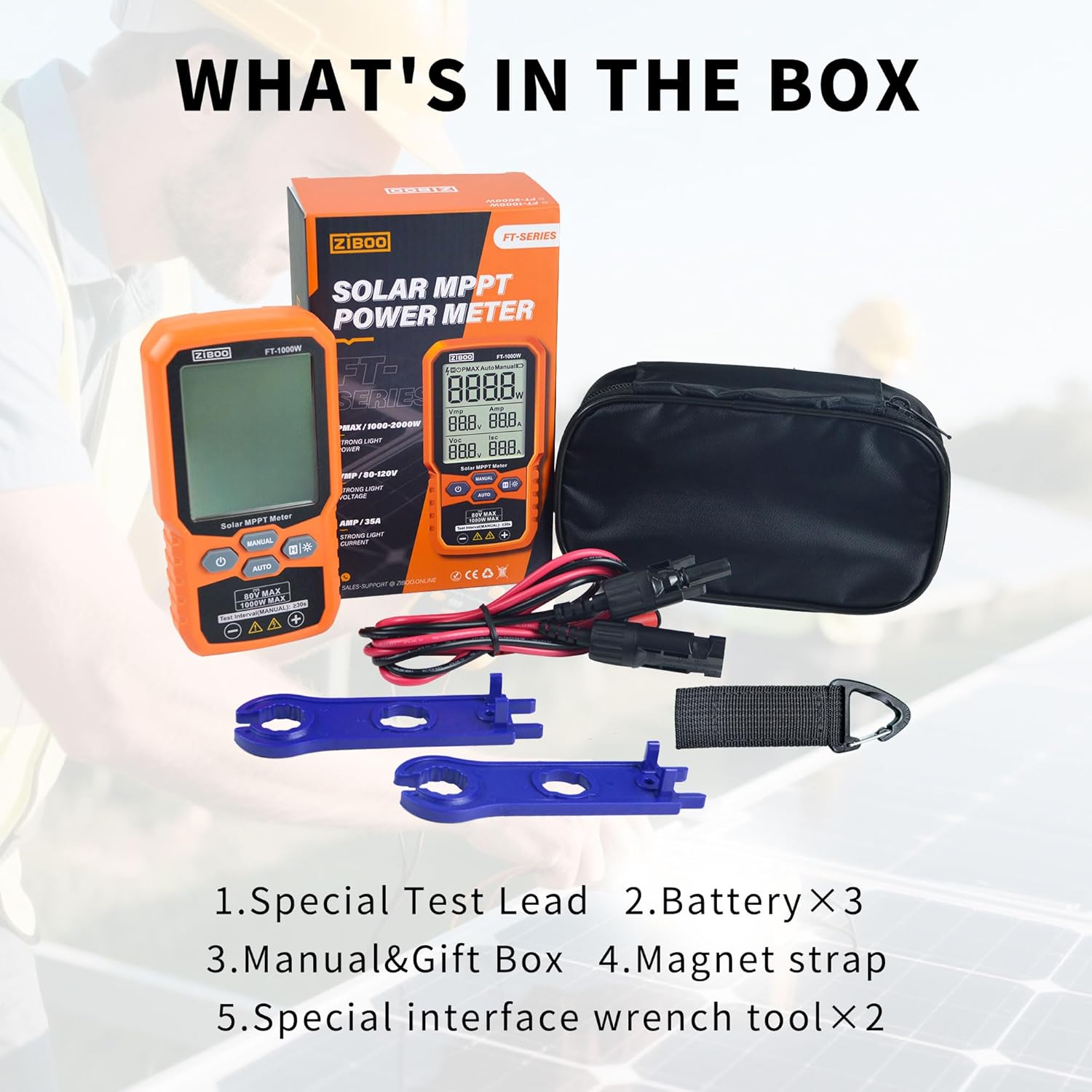
Figure 7: Special Interface Wrench Tools for MC4 connectors.
Video 1: Demonstrates the connection process of the ZIBOO FT-1000W Solar Panel Tester to a solar panel using MC4 connectors, and shows the device in operation.
5. Nga Tohutohu Whakahaere
5.1. Te Hiko / Whakaweto
- To power on: Press and hold the power button (U) for approximately 3 seconds.
- To power off: Press and hold the power button (U) for approximately 2 seconds. The device also features an auto-off function to conserve battery.
5.2. Measurement Modes (Manual/Auto)
The meter offers two measurement modes:
- Aratau Auto: Pehia te AUTO button. The meter will automatically scan and display the PV module's parameters (Pmax, Vmp, Amp, Voc, Isc) every few seconds. This mode is ideal for quick, continuous monitoring.
- Aratau ā-ringa: Pehia te MANUAL button. In this mode, each press of the button initiates a single measurement cycle. Wait for approximately 3 seconds after pressing to allow the measurement to complete and display.
5.3. Taumahi Pupuri Raraunga
To freeze the current readings on the display, press the H button. Press it again to release the data hold and resume live readings.
5.4. Backlight Activation
For improved visibility in low-light conditions, press and hold the backlight button (H*) to activate the display backlight. Press and hold again to turn it off.

Figure 8: ZIBOO FT-1000W in operation, displaying real-time solar panel data.
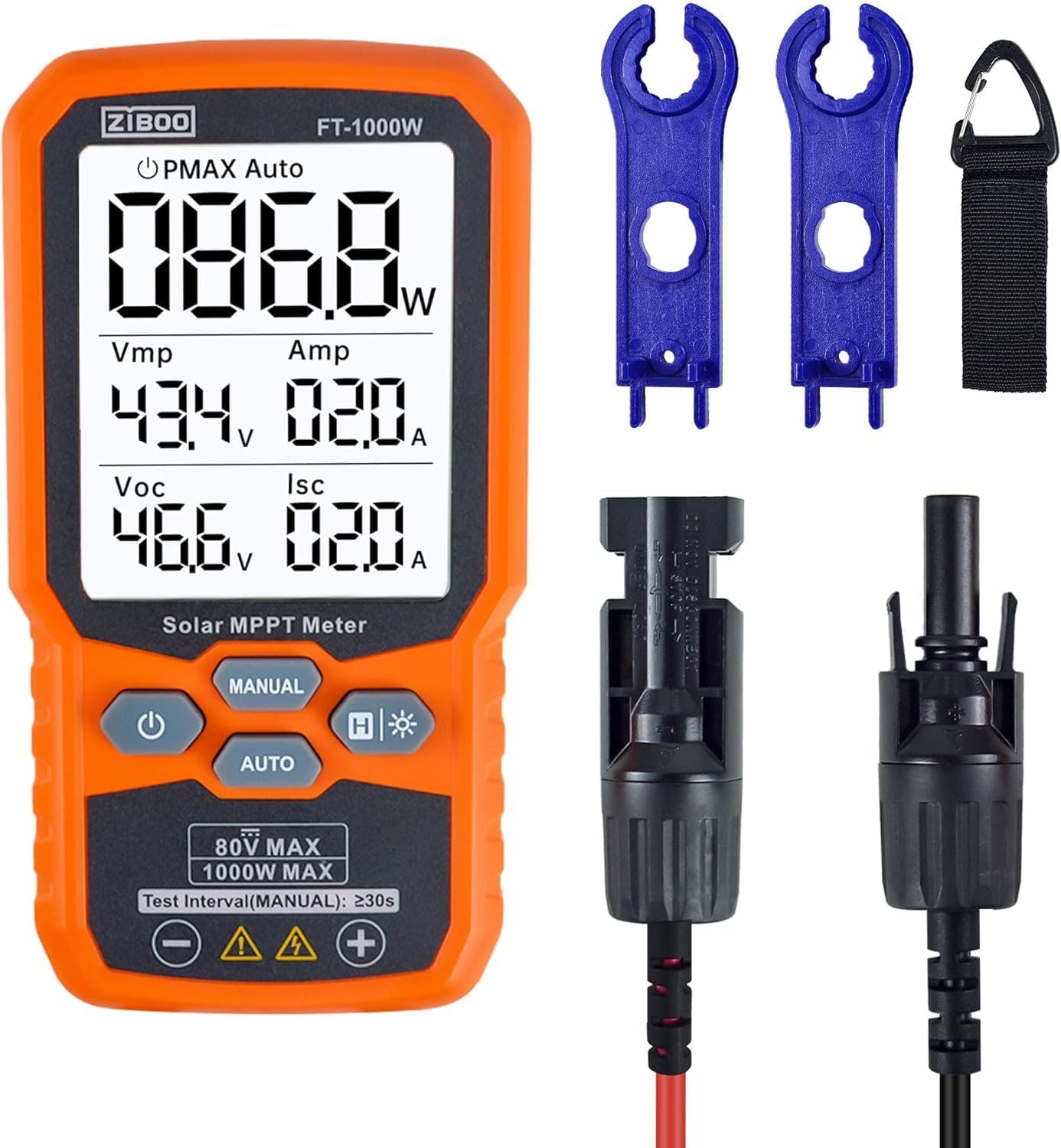
Whakaahua 9: Mua view of the ZIBOO FT-1000W meter with accessories.
6. Tiaki
- Te horoi: Whakamahia he kakahu ngohengohe, maroke hei horoi i te taha waho o te mita. Kaua e whakamahi i ngā kaihoroi whakakoi, i ngā whakarewa rānei.
- Rokiroki: Store the meter and its accessories in the provided carrying pouch in a cool, dry place away from direct sunlight and extreme temperatures.
- Whakakapinga Pūhiko: Replace batteries promptly when the low battery indicator appears to ensure accurate readings and prevent damage.
- Tirotiro: Regularly inspect test leads and connectors for any signs of wear or damage. Replace damaged components immediately to ensure safety and performance.
7. Te Raru
| Raruraru | Take pea | Rongoā |
|---|---|---|
| Karekau te mita i te hiko | Pūhiko iti, mate rānei; Tāutanga pūhiko hē | Whakakapia ngā pākahiko; Tirohia te kaha o te pākahiko |
| No readings displayed | Incorrect connection to solar panel; Insufficient sunlight; Faulty test leads | Ensure secure and correct connection; Test under adequate sunlight; Inspect and replace test leads if damaged |
| Nga korero tika | Environmental factors (e.g., shading, temperature); Damaged meter or leads | Ensure clear, direct sunlight; Verify connections; Contact support if issues persist |
| Display backlight not working | Backlight function not activated; Low batteries | Press and hold backlight button; Replace batteries |
8. Pūtāhui me te Tautoko
For warranty information, technical support, or service inquiries, please refer to the contact details provided in the product packaging or visit the official ZIBOO webpae. Puritia to riirii hoko hei tohu mo te hoko mo nga kereme whakamana.


