1. Introduction to the DJI Mini 4K Drone
This manual provides detailed instructions for the safe and efficient operation of your DJI Mini 4K drone. It covers essential topics from initial setup and flight procedures to maintenance and troubleshooting. Please read this manual thoroughly before operating your drone to ensure a safe and enjoyable experience.
The DJI Mini 4K is a compact and powerful drone designed for aerial photography and videography, offering advanced features in a portable form factor. Understanding its functions and adhering to safety guidelines are crucial for optimal performance.
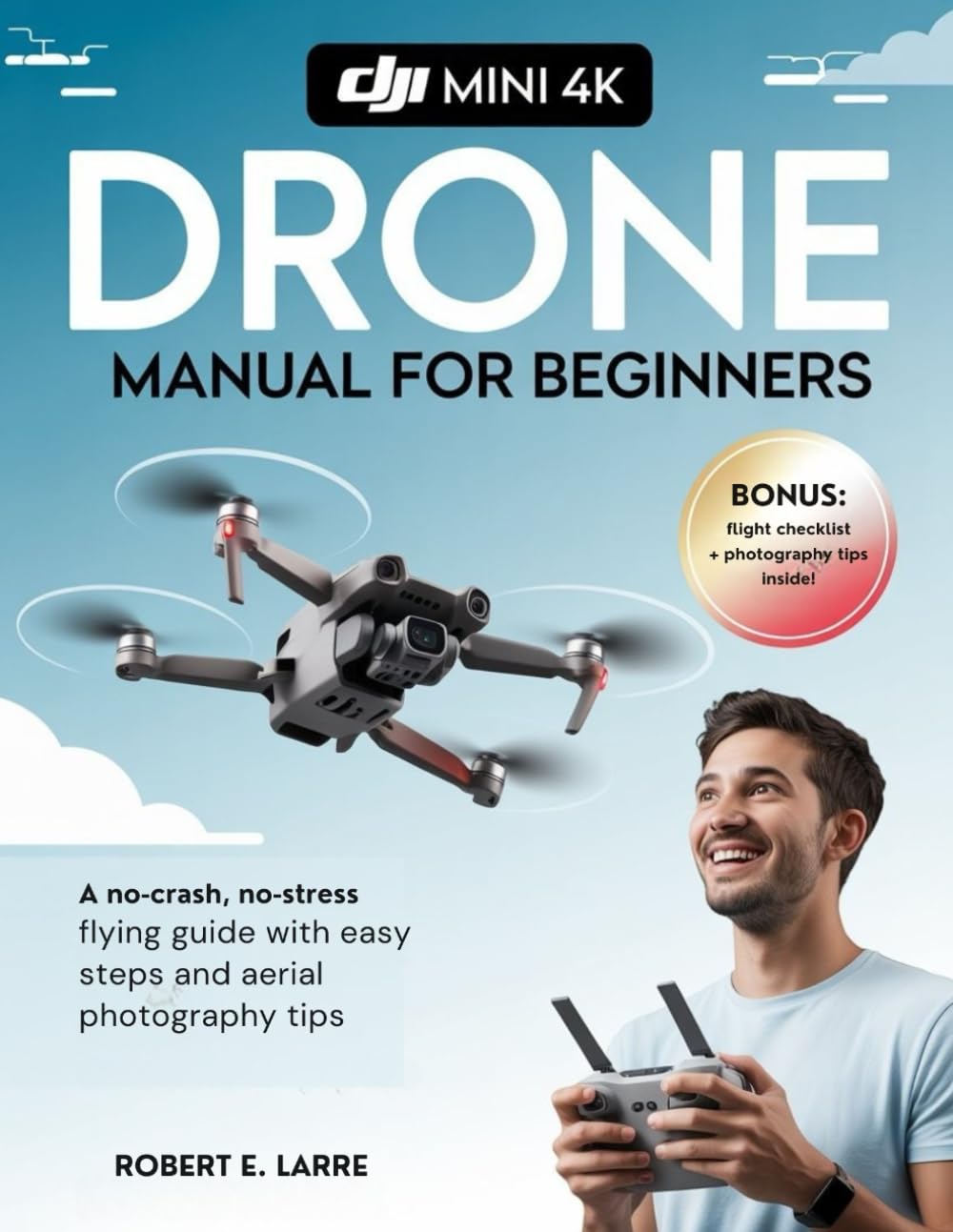
Image 1.1: Cover of the accompanying instructional guide for the DJI Mini 4K drone.
2. Safety Guidelines and Regulations
Operating a drone requires adherence to local regulations and general safety practices. Failure to comply can result in serious injury, property damage, or legal penalties. Always prioritize safety during flight.
- Takitaki i mua i te Rererangi: Always inspect your drone, remote controller, and battery levels before each flight.
- Te Maara Taiao: Avoid flying in strong winds, rain, fog, or extreme temperatures. Maintain a clear line of sight with your drone.
- Wāhi Rāhui: Do not fly near airports, military bases, power plants, or other sensitive infrastructure. Respect no-fly zones.
- Tūmataitinga: Be mindful of privacy concerns when flying near people or private property.
- Ngā Ture ā-Rohe: Familiarize yourself with and obey all local aviation laws and regulations regarding drone operation.
- Haumaru Pūhiko: Use only approved chargers and batteries. Do not overcharge or damage batteries.
3. Tatūnga Tuatahi me te Whakaritenga
Before your first flight, follow these steps to set up your DJI Mini 4K drone and remote controller.
- Wewete pouaka me te Tirotiro: Carefully remove all components from the packaging. Verify that all items listed in the product box are present and undamaged.
- Utu Pūhiko: Fully charge the intelligent flight battery and the remote controller using the provided charging cables and adapter.
- Tāuta Pūrere: Attach the propellers to the motor arms according to the markings (e.g., silver cap to silver motor, no cap to black motor). Ensure they are securely fastened.
- Tikiake me te Tāuta Taupānga: Download the official DJI Fly app from your mobile device's app store. Install the app and create or log in to your DJI account.
- Activate Drone: Connect your mobile device to the remote controller, then power on the drone and controller. Follow the on-screen prompts in the DJI Fly app to activate your drone. This may require an internet connection.
- Whakahoutanga Firmware: If prompted by the app, update the drone and remote controller firmware to the latest version. Ensure batteries are sufficiently charged before starting an update.
4. Operating the DJI Mini 4K Drone
This section covers basic flight operations and camera controls for capturing stunning aerial content.
4.1 Nga Mana Rererangi Taketake
- Whakarewa/Taunga: Use the automatic takeoff/landing button in the DJI Fly app or perform a manual takeoff by pushing both control sticks down and inwards/outwards.
- Piki/Whakaheke: Left stick up/down.
- Whakamua/Whakamuri: Right stick up/down.
- Mauī/Matau (Whakaeke): Right stick left/right.
- Rotate (Yaw): Left stick left/right.
4.2 Aratau Rererangi Maramarama
The DJI Mini 4K offers various intelligent flight modes to assist with capturing dynamic footage. Access these modes through the DJI Fly app.
- Nga Whakaahua Tere: Automated flight paths for cinematic video clips (e.g., Dronie, Helix, Rocket, Circle, Boomerang).
- Panorama: Hopukia aunoa ngā tirohanga whānui, 180°, Sphere rānei.
- Hoki ki te Kāinga (RTH): The drone automatically returns to its recorded home point when activated or in case of signal loss or low battery.
4.3 Te Mahi Whakaata
Utilize the DJI Fly app to control the camera settings and capture high-quality photos and videos.
- Aratau Whakaahua: Single Shot, Timed Shot, AEB (Auto Exposure Bracketing).
- Taumira Ataata: Select from various resolutions including 4K at 30fps, 2.7K at 60fps, and 1080p at 60fps.
- Mana Gimbal: Use the gimbal dial on the remote controller to adjust the camera's tilt angle.
5. Tiaki me te Tiaki
Regular maintenance ensures the longevity and reliable performance of your DJI Mini 4K drone.
- Te horoi: Use a soft, dry cloth to clean the drone body and camera lens. Avoid harsh chemicals.
- Tirohanga Pourewa: Regularly check propellers for cracks, bends, or damage. Replace damaged propellers immediately.
- Tiaki Pūhiko: Store batteries at approximately 50-60% charge if not used for extended periods. Avoid extreme temperatures.
- Parenga Gimbal: Always attach the gimbal protector when transporting the drone.
- Rokiroki: Store the drone in a cool, dry place, away from direct sunlight.
6. Raparongoā Nga take noa
This section addresses common issues you might encounter during drone operation.
| Putanga | Take pea | Rongoā |
|---|---|---|
| Drone fails to power on | Low battery, damaged battery, incorrect power sequence | Ensure battery is fully charged and properly inserted. Press power button once, then press and hold. |
| Kaore he tohu GPS | Flying indoors, obstructed view of sky, magnetic interference | Fly in an open outdoor area. Avoid areas with strong magnetic fields. |
| Weak video transmission | Obstacles between drone and controller, strong interference, antenna orientation | Ensure clear line of sight. Adjust controller antennas. Avoid areas with high Wi-Fi traffic. |
| Gimbal abnormal warning | Gimbal protector still on, physical obstruction, calibration error | Remove gimbal protector. Check for obstructions. Calibrate gimbal via DJI Fly app. |
For more detailed troubleshooting, refer to the DJI official support webpae, whakapā atu ranei ki te ratonga kiritaki.
7. Whakatakotoranga Hangarau
Below are the key technical specifications for the DJI Mini 4K drone. These specifications are subject to change without notice.
| Āhuahira | Whakatakotoranga |
|---|---|
| Taumaha rererangi | Under 249 g (with battery and propellers) |
| Te Waa Rererangi Max | Approx. 31 minutes (measured while flying at 4.7 m/s in windless conditions) |
| Tawhiti Whakawhiti Max | 10 km (FCC), 6 km (CE / SRRC / MIC) |
| Whanui Peera | 1/2.3-inch CMOS, 12 MP |
| Whakatau Ataata | 4K: 3840×2160 @ 24/25/30fps 2.7K: 2720×1530 @ 24/25/30/48/50/60fps FHD: 1920×1080 @ 24/25/30/48/50/60fps |
| Max Hau Whakataki Tere | 8.5-10.5 m/s (Level 5) |
| Te Waahi Mahi | 0° ki te 40° C (32° ki 104° F) |
8. Pūtāhui me te Tautoko
The DJI Mini 4K drone comes with a standard manufacturer's warranty. For specific warranty terms and conditions, please refer to the official DJI webte waahi, te kaari whakamana ranei kei roto i to hua. Puritia to tohu hoko mo nga kereme whakamana.
For technical support, troubleshooting assistance beyond this manual, or service requests, please visit the official DJI Support page: Tautoko Whaimana a DJI.
You can also find FAQs, video tutorials, and community forums on the DJI website to help you get the most out of your drone.