1. Kupu Whakataki
This user manual provides detailed instructions for the ANCEL BM300 Pro Battery Monitor and the ANCEL DS500BT Bidirectional OBD2 Scanner. Please read this manual thoroughly before using the devices to ensure proper operation and to maximize their functionality. Keep this manual for future reference.
2. ANCEL BM300 Pro Battery Monitor
2.1. Neke atu i teview me nga waahanga matua
The ANCEL BM300 Pro is an advanced battery monitor designed for 6V, 12V, and 24V battery systems. It offers enhanced features over its predecessor, including upgraded Bluetooth 5.3 connectivity, IP67 waterproofing, and extended data storage. This device allows for comprehensive monitoring of battery health and performance.
- Hototahi Whānui: Supports 6V, 12V, and 24V battery systems, including lead-acid and lithium batteries.
- Nihokikorangi Arā Atu Anō: Features Bluetooth 5.3 for stable and efficient wireless communication.
- Extended Data Storage: Stores up to 72 days of battery data, allowing for historical analysis.
- IP67 parewai: Provides robust protection against dust and water ingress.
- Multi-Battery Monitoring: Capable of monitoring up to 4 batteries simultaneously.
- Te Aroturuki Hauora Matatoa: Tracks voltage, cranking system, charging system, and driving records.
- He iti te whakapau hiko: Operates with a minimal power draw of approximately 1mA.
2.2. Tatūnga me te Tāuta
The BM300 Pro is designed for permanent installation on your vehicle's battery, providing continuous monitoring without repeated setup.
- Tikiake i te Taupānga: Scan the QR code provided in the product packaging or visit http://link.quicklynks.com/bm300.html to download the ANCEL BM300 Pro application from the App Store or Google Play.
- Tūhono ki te Pūhiko: Securely attach the BM300 Pro device to your vehicle's battery terminals. Ensure a firm connection for accurate readings.
- Tūhono mā Nihokikorangi: Open the ANCEL BM300 Pro app on your smartphone. The app will automatically search for and connect to the BM300 Pro device via Bluetooth 5.3.

Figure 2.2.1: BM300 Pro Easy Installation and Bluetooth Connection
2.3. Operation: Battery Monitoring
Once connected, the app provides real-time data and various tests to assess your battery's condition.
- Voltage Whakamātautau: He whakaatu vol pākahiko onāianeitage and State of Charge (SoC).
- Whakamatau Whakatau: Evaluates the vehicle's charging system, showing charging voltage me te ripo.
- Whakamātautau Cranking: Measures the battery's ability to start the engine, indicating cranking voltage me te wa.
- Raraunga Hono: Access stored data for up to 72 days to track battery performance over time.

Figure 2.3.1: Multi-functional Battery Monitoring Interface

Figure 2.3.2: BM300 Pro Accurate Voltage Panui
2.4. BM300 Pro Specifications
| Āhuahira | BM300 Pro |
|---|---|
| Whakamatautau Voltage | 6V, 12V, 24V |
| Momo Pūhiko Tautokohia | Lead-acid batteries & Lithium batteries |
| Data Storage Days | 72 ra |
| Whakahaere Pūrere | Tae atu ki te 4 pākahiko |
| Whakatauranga parewai | IP67 |
| EXCEL Data Export | Ae |
| Vehicle Search Record | Ae |

Figure 2.4.1: BM300 Pro Upgraded Features Comparison
3. ANCEL DS500BT Bidirectional OBD2 Scanner
3.1. Neke atu i teview me nga waahanga matua
The ANCEL DS500BT is a professional bidirectional OBD2 scanner designed for comprehensive vehicle diagnostics and maintenance. It offers a wide range of functions, including advanced reset services and full-system scanning, enabling users to identify and resolve complex vehicle issues.
- Mana Whakahaere Ahu-rua: Send commands to the ECU to perform active tests and verify repairs.
- 28+ Reset Functions: Supports a wide array of professional maintenance resets, including EPB, SAS, and Transmission Adaptations.
- Tātaritanga Pūnaha Katoa: Scans all available vehicle modules (PCM, transmission, ABS, SRS, etc.) for a complete health report.
- Rere Raraunga Ora: Displays real-time sensor data for in-depth analysis.
- Whare Pukapuka DTC: Built-in database for quick lookup of diagnostic trouble codes.
- FCA AutoAuth & CAN-FD Protocol: Included for compatibility with modern vehicle systems.
3.2. Operation: Diagnostic Functions
The DS500BT provides powerful diagnostic capabilities to help you understand and manage your vehicle's health.
3.2.1. Active Tests (Bidirectional Control)
Perform specific component tests by sending commands to the vehicle's ECU. This allows for verification of component functionality without manual intervention.
- Mana marama
- Wiper adjustment
- Window open/close
- Whakamuriview mirror control
- Fuel injector test
- Starting fuel pump activation

Figure 3.2.1: DS500BT Active Test Capabilities
3.2.2. Professional Maintenance Resets
The DS500BT offers over 28 reset functions to clear warning lights and restore vehicle performance after repairs.
- Common Service Resets: Oil Reset, BMS Reset, TPMS Reset, D-P-F Reset.
- System & Safety Resets: SAS Reset, Airbag Reset, ABS Bleeding, EGR Reset.
- Advanced & Custom Resets: Injector Coding, Gear Reset, Stop/Start Reset, Brake Reset.
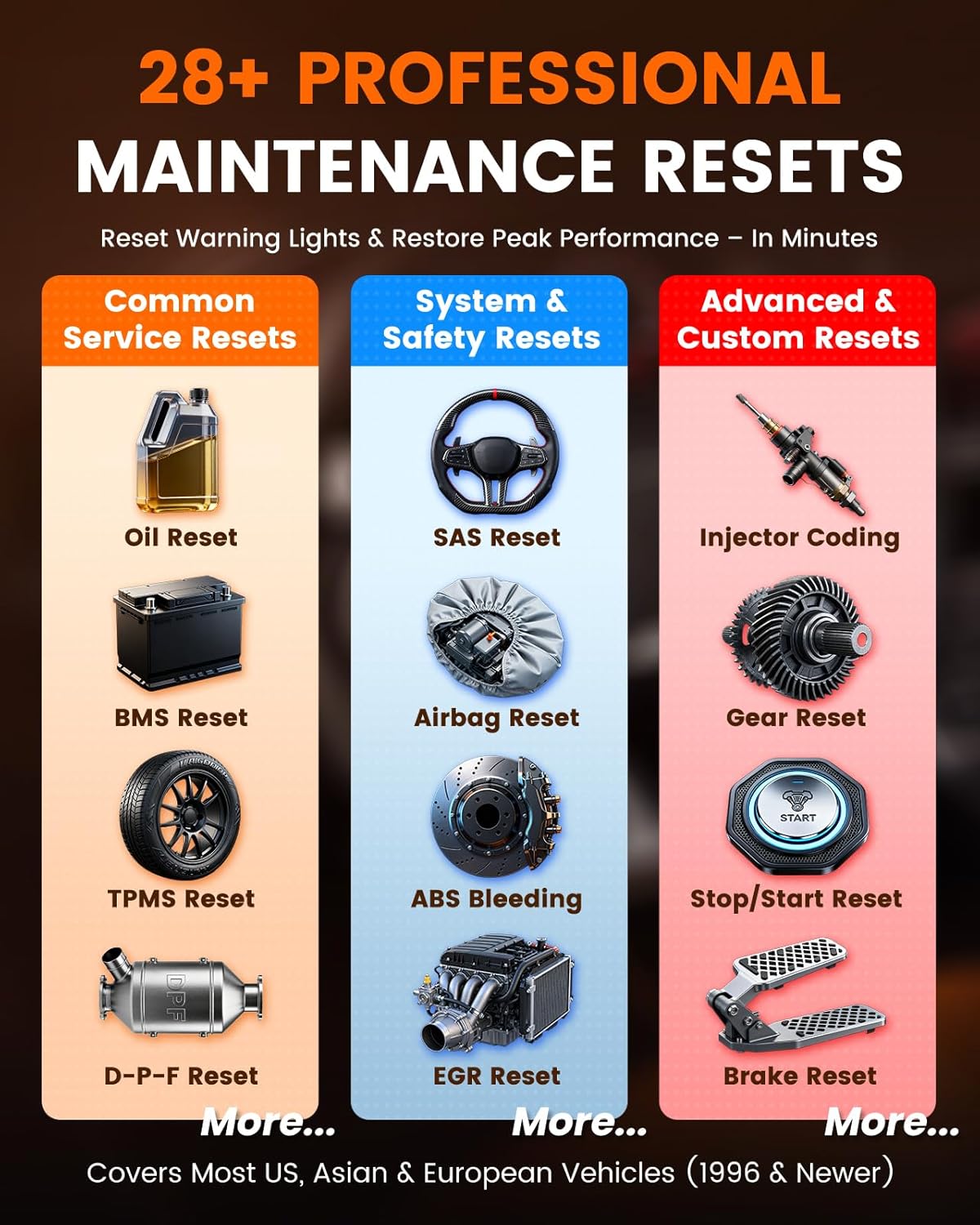
Figure 3.2.2: DS500BT Professional Maintenance Resets
3.2.3. Full System Scan
Perform a comprehensive scan of all electronic control units (ECUs) in the vehicle to identify diagnostic trouble codes (DTCs) and view raraunga ora.
- Panui Waehere: Retrieve current, pending, and permanent DTCs.
- Ngā Waehere Whakamārama: Erase DTCs and turn off warning lights after repairs.
- Raraunga Ora: Monitor real-time parameters from various sensors and modules (e.g., engine RPM, coolant temperature, oxygen sensor readings).
- Whakamātautau EVAP: Conduct the Evaporative Emission System Leak Test.
- Tae Whakatio: View a snapshot of vehicle operating conditions at the time a fault code was set.
- Mōhiohio Waka: Tikina te tau tautuhi waka (VIN), te ID whakatikatika, me ngā tau manatoko whakatikatika (CVN).

Figure 3.2.3: DS500BT Full System Scan Capabilities
3.3. DS500BT Specifications
| Āhuahira | DS500BT |
|---|---|
| Ngā Whakahōutanga Koreutu mō te Ao Katoa | Ae |
| Reset Service Functions | 28+ |
| Whakamatau Hohe | Ae |
| FCA AutoAuth | Kei roto |
| CAN-FD Protocol | Kei roto |
| Wā tūtatari | > 8 Ra |
| Tikanga Hononga | 10M BT5.0 |

Figure 3.3.1: DS500BT Feature Advantage at a Glance
4. Te Raru
If you encounter issues with your ANCEL BM300 Pro or DS500BT, please refer to the following general troubleshooting steps:
- Nga Take Hononga: Ensure Bluetooth is enabled on your smartphone and the device is within range. For BM300 Pro, verify secure connection to battery terminals. For DS500BT, ensure the OBD2 connector is firmly seated.
- Taupānga Kaore i te whakautu: Close and restart the application. If the issue persists, try reinstalling the app.
- Inaccurate Readings (BM300 Pro): Check battery terminal connections for corrosion or looseness. Ensure the battery is fully charged before performing tests for baseline accuracy.
- Scanner Not Communicating (DS500BT): Verify the vehicle's ignition is on. Check the vehicle's OBD2 port for power. Try connecting to a different vehicle if possible to rule out a vehicle-specific issue.
- Whakahōu Pūmanawa: Ensure both devices' firmware and the associated apps are updated to the latest versions.
For more specific troubleshooting or persistent issues, please contact ANCEL customer support.
5. Tiaki
Proper maintenance ensures the longevity and optimal performance of your ANCEL devices.
- Te horoi: Use a soft, dry cloth to clean the exterior of the devices. Avoid using abrasive cleaners or solvents.
- Rokiroki: Penapenahia ngā taputapu ki te wāhi hauhautanga, maroke, kia matara atu i te rā tika me ngā pāmahana tino kino ina kore e whakamahia.
- Tiaki taura: Inspect cables and connectors regularly for any signs of damage. Avoid bending or crimping cables excessively.
- Whakahōu Pūmanawa: Regularly check for and install software and firmware updates to ensure compatibility and access to new features.
6. Pūtāhui me te Tautoko
For information regarding product warranty, technical support, or service, please refer to the official ANCEL website or contact their customer service department directly. Details are typically provided with your purchase documentation or on the manufacturer's webpae.


